
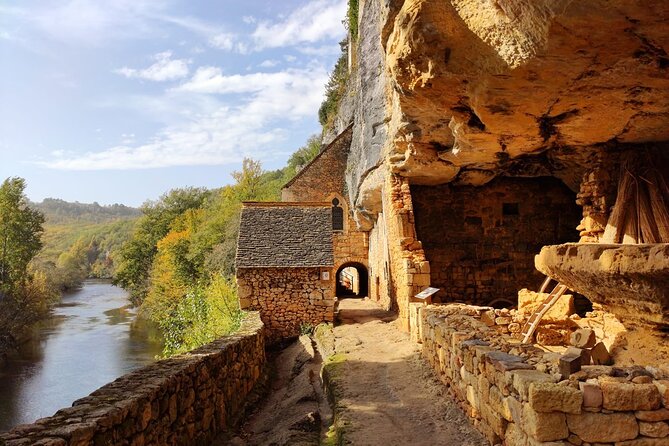
Reviewed · DORDOGNE TOURS
Visit of the Troglodytic Village of Madeleine
The most unusual part of this visit is its layered story. At Madeleine, one site takes you from a prehistoric shelter used 20,000 years ago to a medieval troglodytic village and an educational farm. I like that the experience connects daily life across very different periods instead of treating the site as a single old ruin. I also like the free multilingual app, which lets you take in the information at your own pace.
The main drawback is that this is not a guided sightseeing tour with a named guide included in the price. You may find a guided option on site, but the standard visit relies heavily on the site interpretation and app. Plan on moderate physical fitness, and remember that poor weather can lead to cancellation.
Key points about the Madeleine visit
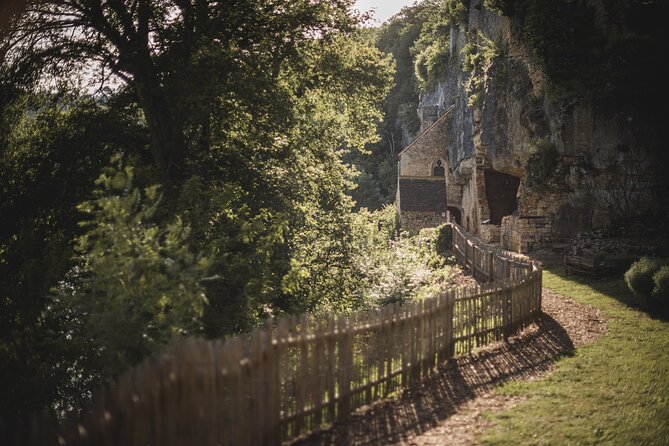
- Three time periods in one stop: Explore prehistoric Cro-Magnon life, a medieval village, and a present-day educational farm.
- A roughly two-hour visit: The timing works well as a focused outing rather than an all-day commitment.
- A useful free app: Information is available in several languages, making the self-guided experience easier to follow.
- Parking is included: You do not pay an extra parking fee as part of this experience.
- Water is provided: A 50cl bottle of water is offered during the visit.
- A thoughtful stop for history fans: The site links human survival, settlement, and rural life in one setting.
Why Madeleine is more than a cave visit
The Village Troglodytique de la Madeleine is interesting because it is not only about rock shelters. The visit presents a long record of human use, beginning with the prehistoric environment of 20,000 years ago and the Magdalenian way of life associated with Cro-Magnon people.
That time span gives the outing its real value. You are not simply looking at an old wall or an unusual cliff. You are considering how people adapted to the same place under very different conditions. The site asks you to think about shelter, work, family life, and survival over thousands of years.
The medieval village adds another layer. It helps you see that troglodytic living was not limited to prehistoric communities. Later residents also used the natural setting as part of their homes and settlement. The result is a visit that moves from archaeology to medieval life without requiring separate admissions or a long transfer between attractions.
I would give yourself the full two hours. The visit may sound short on paper, but there are several parts to absorb. If you hurry through the prehistoric material, you lose the link between the site’s early use and its later village. If you spend too long reading every panel, you may have less time for the farm and medieval section.
A few more Dordogne half-days worth comparing
- Lascaux IV: Full Replica Cave Experience Ticket
★ 4.5 · 334 reviews - Sarlat la Canéda: The Dordogne valley by canoe
★ 4.5 · 297 reviews - From Vitrac: Dordogne River Canoe Rental
★ 4.8 · 162 reviews
Starting with the prehistoric world 20,000 years ago
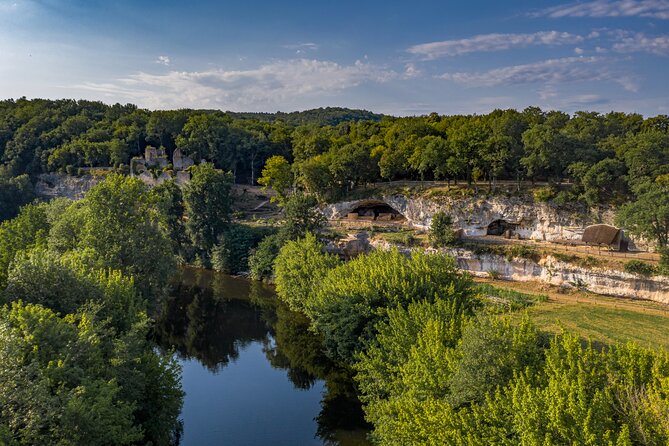
The first major focus is the prehistoric environment and the Magdalenian way of life. This is the part that gives the site its emotional weight. Cro-Magnon people were not presented as a vague, distant group. The visit frames them through the conditions in which they lived and the choices they had to make.
You can expect the interpretation to focus on how people occupied the site and what daily life may have involved. The point is not just the age of the place. It is the practical question of how humans used a natural shelter and made a life there.
The free app can help here. It is available in several languages and provides information as you move through the site. I would use it if you prefer clear context rather than simply looking at the stone surroundings. It also gives you control over the pace, which is useful if your group has different interests.
The app is not a replacement for a personal guide in every situation. If you enjoy asking questions as you go, a guided option may suit you better. Still, the self-guided format is a strong feature for visitors who like to pause, reread, or focus on selected subjects.
The prehistoric section should appeal most to anyone interested in archaeology, early human life, or the way museums explain ordinary routines rather than only famous discoveries. Children may also find the idea of people living in rock shelters easier to understand than a long museum display, though the amount of reading may depend on their age and patience.
Reading the medieval village in the rock
After the prehistoric story, the medieval village changes your sense of time. The same broad setting was used again in a later period, and the visit helps connect the natural rock environment with medieval settlement.
This is where the experience becomes especially useful for visitors who have already seen castles and churches in the Dordogne. You get a different view of the medieval past. Instead of focusing on grand buildings or powerful families, the site points toward the spaces where people lived and worked.
You may find the medieval section more immediately visual than the prehistoric material. Rock-cut spaces and old village structures make the idea of troglodytic life easier to picture. The setting itself carries much of the atmosphere, while the app and educational material supply the missing context.
I would not expect a polished theatrical attraction. This is a historic site, and its appeal comes from the physical setting and the chance to think through how the place was used. That can feel quiet and reflective, but it may seem less entertaining if you want constant activity or a fast-moving presentation.
Take care with your footwear and pace. The published guidance calls for a moderate level of physical fitness. That does not tell you that the visit is strenuous, but it does suggest that the ground, access, or amount of walking may require more than a quick stroll from a car to a display.
The educational farm and the site’s living side
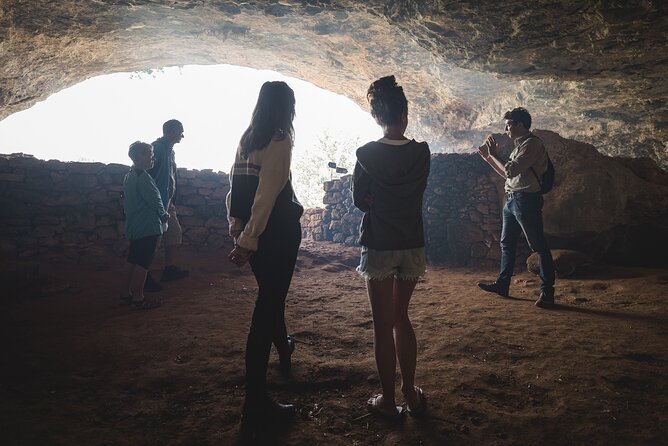
The Madeleine educational farm gives the visit a more grounded finish. After learning about prehistoric people and medieval residents, you see a part of the site connected with education and rural life.
This stop matters because it keeps the experience from becoming only a lesson about the distant past. A farm makes the place feel connected to practical work, food, animals, and the routines that have shaped human settlement. The supplied details do not specify which animals or demonstrations are present, so I would avoid arriving with a fixed expectation of a particular farm program.
For families, this may be the most accessible part of the visit. The prehistoric and medieval sections ask you to read and imagine. A farm can offer a more direct point of interest, especially for younger children. For adults, it adds another way to understand why people continued to use the site over time.
The farm is included in the admission, so you do not need to choose between the historic material and the educational section. If your time is limited, I would still try to include both. The value of Madeleine comes from the connection between its parts.
Same trip, a completely different kind of day:
- From Sarlat: Beynac & Domme Tour & Dordogne Boat Ride
★ 4.6 · 137 reviews - From Sarlat-la-Canéda: Lascaux IV and Cave Art Full-Day Tour
★ 4.9 · 122 reviews - Au Cœur du Château – VSOP D’USSÉ & XO BARON OTARD
★ 4.5 · 108 reviews - Dordogne Day Tour : Prehistory and The Art of the Caves from Sarlat
★ 4.5 · 105 reviews
How the two-hour format works for you
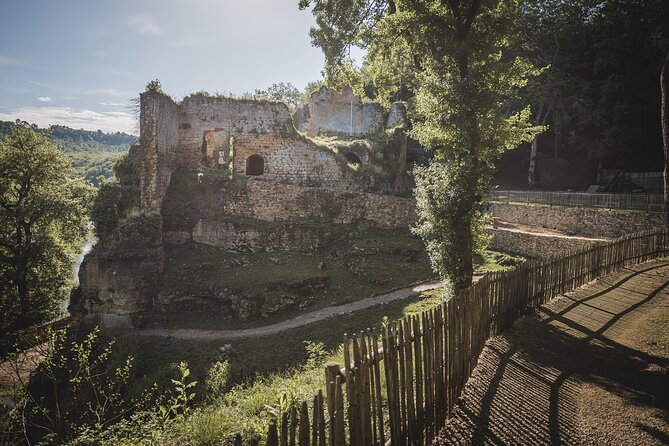
A visit of about two hours is long enough to feel worthwhile but short enough to fit into a broader Dordogne day. You can pair it with another stop, though the exact driving time and route are not provided here, so you should check your own map before building a tight schedule.
The two-hour estimate is best treated as a planning guide, not a strict timetable. Your pace will depend on how much you use the app, how much reading you do, and how long you spend at the medieval village and farm.
The site is open daily from 10:00 a.m. to 5:30 p.m. during the stated season, from March 1 through November 15, 2026. That broad opening window gives you useful flexibility. An early visit may suit you if you want to avoid rushing later in the day. A mid-afternoon arrival can work too, but leave enough time before the 5:30 p.m. closing time.
I would not plan to arrive at the last minute. The site needs time to make sense, and the experience can be affected by weather. A rushed hour would reduce the value of the admission, particularly if you want to use the app and understand the prehistoric and medieval sections.
What the $15.38 price really covers
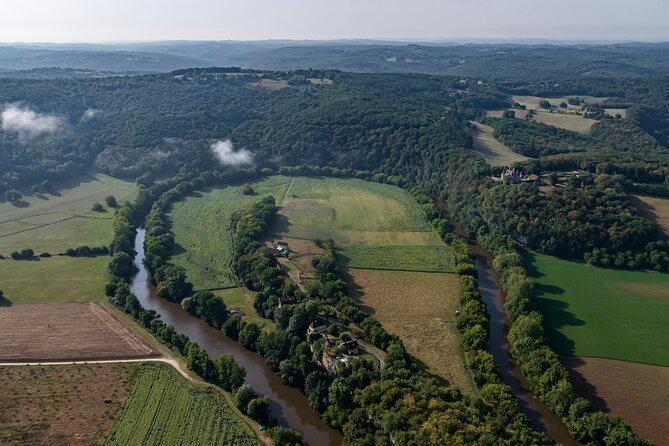
At $15.38 per person, this is a reasonably priced historic outing if you intend to explore all three parts. The admission covers the prehistoric site, the medieval village, and the educational farm, while parking fees and a 50cl bottle of water are included.
That matters because the price is not only buying access to one viewpoint or one small exhibit. You are paying for a connected visit that takes about two hours and covers a long stretch of human occupation.
The value is strongest for visitors who enjoy interpretation and historic settings. If you only want a brief photo stop, the price may feel less attractive. The site rewards attention. The app, the prehistoric material, and the medieval village all add more when you give them time.
Lunch, coffee and tea, and dinner are not included. This is easy to manage, but you should plan your food separately. The visit itself includes only the stated bottle of water, so do not treat it as a meal stop.
The mobile ticket is practical for most visitors. Confirmation is normally received at booking, though bookings made within two hours of the visit are confirmed as soon as possible and remain subject to availability. Since the experience can require a minimum number of participants, a last-minute booking gives you less room to adjust if plans change.
Getting there, parking, and practical planning
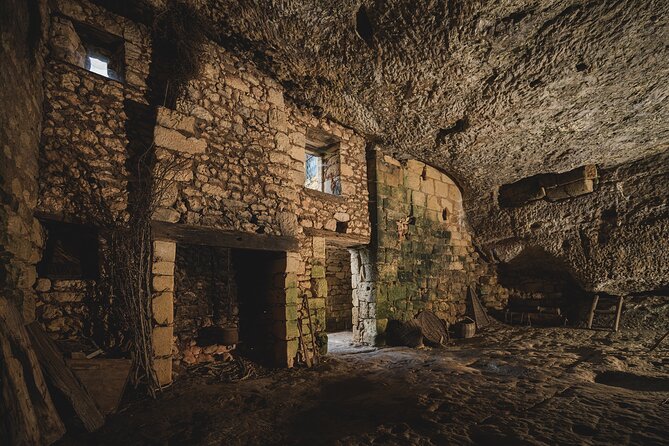
Parking fees are included, which removes one common small expense from a driving visit. The information provided does not identify a separate public transport arrangement or a precise meeting point, so you should rely on the booking details for the exact arrival instructions.
One useful warning comes from the site’s directions: do not depend blindly on Google Maps. Use Waze instead. That is a small point, but it can save time when a historic site has a less obvious approach or when digital mapping sends you along an unsuitable route.
Bring footwear that gives you a steady step. The moderate fitness recommendation is the clearest guidance available about the physical side of the visit. You should also allow enough time to walk through the site rather than expecting everything to be visible from the parking area.
Service animals are allowed. The available information does not give a full accessibility assessment, so anyone with specific mobility needs should confirm the conditions before booking.
The experience requires good weather. If conditions force a cancellation, you will be offered another date or a full refund. That weather policy makes sense for a historic outdoor site, but it also means you should keep some flexibility in your schedule.
The self-guided app versus a guided visit
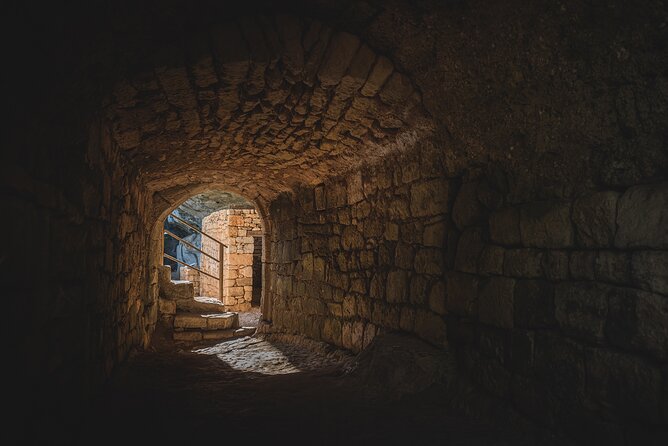
The free app is one of the strongest practical features. It is available in many languages and can give you a clear path through the site without requiring a private guide or a fixed group schedule.
I like this format for independent visitors. You can stop when you want, spend longer on the parts that interest you, and keep moving when a section feels less relevant. It also helps if members of your party do not all read French.
Guided tours are available, but the supplied details do not name the guides or confirm that a guided tour is included in the $15.38 admission. Treat the standard booking as a self-guided visit unless your confirmation says otherwise.
Choose the app if you value flexibility and a quiet pace. Look for a guided option if you want conversation, personal explanations, or help connecting the archaeological details. The absence of a named guide is not necessarily a problem, but it is an important difference from a fully guided excursion.
Who will enjoy Madeleine most
I would recommend this visit to:
- People interested in prehistoric life and Cro-Magnon history
- Visitors who enjoy unusual historic sites rather than standard museums
- Families looking for a farm and a physical setting alongside educational material
- Independent sightseers who prefer a multilingual app
- Anyone with about two hours to spare near Bergerac
- Visitors who want parking included and a clear, modest admission price
It may be less suitable for you if you want a fully guided tour with a named expert, a food-inclusive outing, or a completely effortless walk. The moderate fitness requirement and weather condition deserve attention before you reserve.
The site also works best for people who like connections across time. If you only care about medieval architecture, the prehistoric section may feel like extra material. If prehistoric archaeology is your main interest, the farm may seem less central. The visit earns its price by combining all three.
Booking, cancellation, and timing
The experience is often booked about 13 days ahead, so reserving around two weeks in advance is a sensible approach during the operating season. You receive confirmation at booking in normal circumstances, unless you reserve within two hours of the start time.
Free cancellation is available up to 24 hours before the experience begins. Cancel at least 24 hours ahead for a full refund. Changes or cancellations inside that window are not accepted for a refund, and the cut-off follows local time.
Because the visit depends on good weather and a minimum number of participants, keep the cancellation terms in mind when arranging transport or another timed activity. If the provider cancels for weather or because the minimum is not met, you are offered another date or experience, or a full refund.
Should you book the Madeleine village visit?
Book it if you want a focused, unusual history stop that links Cro-Magnon life, medieval settlement, and rural education in one place. The $15.38 price is fair when you use the full two hours, parking is included, and the multilingual app gives you useful support without requiring a guide.
Skip it if your priority is a fully guided tour, a meal, or a very easy stroll with no physical demands. For everyone else, Madeleine offers a thoughtful change from the usual Dordogne sightseeing circuit. Use Waze, allow the full two hours, check the weather, and let the site’s long human story do the work.
FAQ
Where is the Village Troglodytique de la Madeleine located?
The experience is listed in Bergerac, France.
How long does the visit take?
The visit lasts approximately two hours.
What can I see at Madeleine?
You can explore the prehistoric environment from 20,000 years ago, learn about the Magdalenian and Cro-Magnon way of life, visit the medieval village, and see the Madeleine educational farm.
Is admission included?
Yes. Admission to the historic site, medieval village, and educational farm is included.
Is parking included?
Yes. Parking fees are included in the experience.
Is water provided?
Yes. One 50cl bottle of water is offered during the visit.
Is lunch included?
No. Lunch, coffee and tea, and dinner are not included.
Is the visit guided?
Guided tours are available, but the supplied information does not confirm that a personal guide is included with the standard booking. A free app in several languages is available for self-guided information.
When is the site open?
The stated opening period is March 1 through November 15, 2026, from 10:00 a.m. to 5:30 p.m., Monday through Sunday.
Can I cancel for a full refund?
Yes. You can cancel at least 24 hours before the experience start time for a full refund. Cancellations or changes made less than 24 hours ahead are not accepted for a refund.
Just added around Dordogne
- The greedy Rando Trotter of Theo★ 5.0 · 27 reviews
- Canoe Butterfly★ 4.5 · 42 reviews
- Sarlat: Private Tour to the Dordogne Valley★ 5.0 · 32 reviews
- Jarnac: Braastad cognac prestige visit★ 4.9 · 35 reviews
- From Sarlat: Half-Day Skip-the-Line Lascaux IV Tour★ 4.9 · 42 reviews
- Dordogne Villages Half Day Tour from Sarlat★ 4.5 · 63 reviews
- The greedy Rando quad of Nico★ 5.0 · 45 reviews
- Sarlat Gourmet Tour and Market Visit★ 5.0 · 49 reviews
Dordogne Tours, compared.

Lascaux IV: Full Replica Cave Experience Ticket
Read our review →
la-Canéda: Lascaux IV and Cave Art Full-Day Tour
Read our review →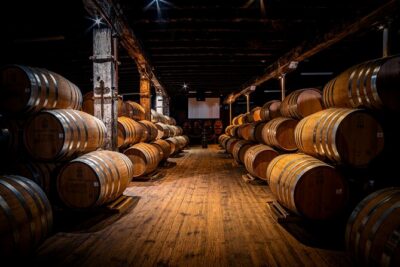
Au Cœur du Château – VSOP D’USSÉ & XO BARON OTARD
Read our review →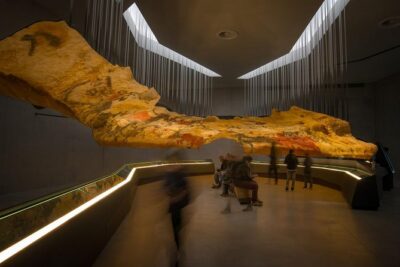
Dordogne Day Tour : Prehistory and The Art of the Caves from Sarlat
Read our review →
Sturgeon Fish-Farm Visit and Caviar Discovery Tasting in Neuvic
Read our review →Browse the lists this tour appears in