
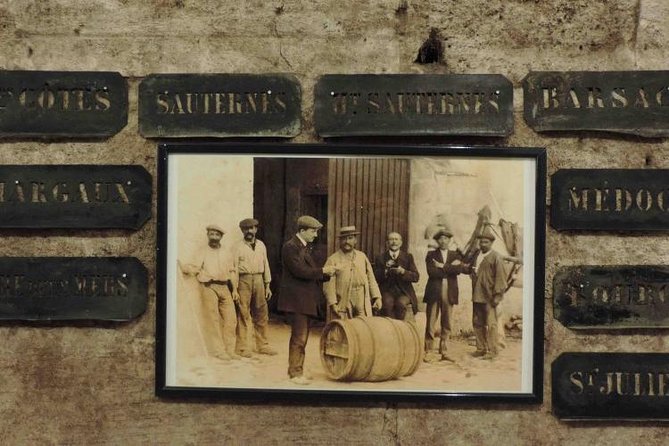
Reviewed · WINE TOURS
Bordeaux Wine and Trade Museum Admission Ticket with Wine Tasting
The best part of this visit comes at the end: two Bordeaux wines are served in the museum shop, with an explanation of grape types, appellations, and the difference between a merchant wine and a chateau wine. Before that, you walk through old vaulted cellars tied to Bordeaux’s once-powerful wine trade.
I like the small, historic setting and the freedom to move at your own pace. I also like the price, about $14.51, which makes the tasting alone a fair reason to go. The main drawback is that this is a self-guided museum, not a guided tour from start to finish, and some visitors move through the displays in less than an hour.
Key points
- Two 1720 vaulted cellars: See the setting where Bordeaux wine merchants worked and aged their wines.
- Two wines included: Compare Merlot and Cabernet Sauvignon with help from the museum staff.
- Self-guided English visit: Use English folders, written explanations, videos, and displays at your own speed.
- A small museum with a clear focus: Learn about cooperage, aging, bottling, merchants, chateaux, and Bordeaux appellations.
- About one to two hours: You can finish quickly or stay longer to read the material and ask questions.
- Easy to pair with a day in the Chartrons area: The museum is near public transportation and was described as a short walk from a cruise boat.
Inside Bordeaux’s 1720 wine cellars
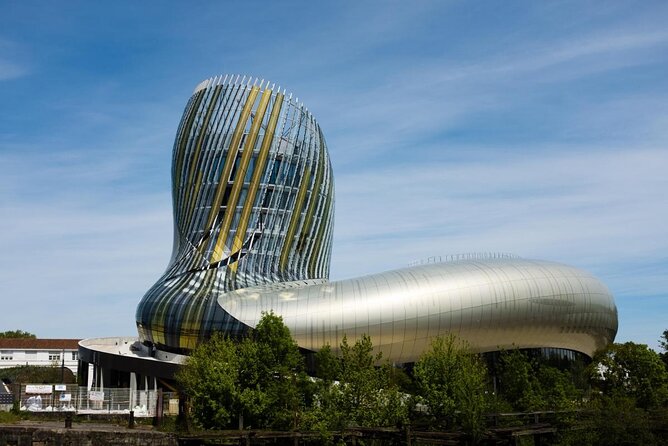
This museum gives you a different look at Bordeaux wine. You are not entering a grand chateau surrounded by vines. Instead, you are stepping into the old world of merchants, brokers, coopers, storage cellars, and commercial networks.
The building dates to the early 18th century and is linked to Louis XV’s royal broker. Its vaulted cellars were built in 1720. That architecture matters because Bordeaux wine was shaped not only by vineyards, but also by the people who bought, blended, aged, transported, and sold the wine.
The setting is compact. The museum occupies two semi-underground cellars, so you should not expect a large gallery complex. You get a focused look at the trade behind the bottle rather than a long museum visit with room after room of displays.
I find that useful if you are already spending time in Bordeaux and want a short, local introduction. The building itself helps explain why the Chartrons quarter has so many elegant 18th-century facades. Wine commerce brought money, status, and international connections to the district.
One practical note: old cellars can feel damp and musty. Humidity helped preserve wine in these spaces, but it may bother you if you are sensitive to mold or stale air. This is part of the historic character, but it is also the clearest physical drawback.
More Wine Tours in Bordeaux
- Bordeaux: Cité du Vin Entry Ticket and Wine Tasting
★ 4.6 · 3,885 reviews - Bordeaux: River Garonne Cruise with Glass of Wine and Canelé
★ 4.5 · 3,630 reviews - From Bordeaux: Afternoon Saint-Emilion Wine Tasting & snack
★ 4.8 · 1,581 reviews
What you learn about the Bordeaux wine trade
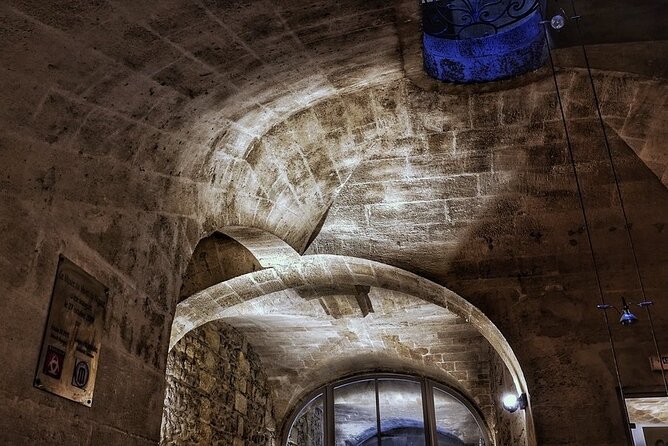
The museum focuses on the business side of wine, an area that can be overlooked when a visit concentrates only on grape growing. Here, you learn how merchants helped Bordeaux wines reach markets beyond the city and beyond France.
Displays and archival material trace the work of major merchant families. You also see how cellar workers and coopers contributed practical skills passed down through generations. The subject is not only the famous estates. It is also the labor and trade system that allowed those estates to sell their wine.
The exhibits cover traditional aging practices used by nineteenth-century merchants. You may also find information about bottling, production, regional appellations, and the tools used in the wine trade. For someone new to Bordeaux wine, this fills in an important gap: a bottle’s identity comes from both its place of origin and the commercial system that brings it to market.
The museum also helps explain the difference between a merchant wine and a chateau wine. That distinction is useful when you look at Bordeaux labels in a shop or restaurant. A chateau wine is tied to a named estate, while merchant wine reflects the role of négociants who buy, assemble, age, or distribute wine from different sources.
The displays are dense rather than flashy. Written material appears in folders and on walls, and some sections use videos. If you read everything carefully, you can spend close to two hours here. If you skim, the museum may take about 45 minutes.
A self-guided visit with English material
You begin by looking around on your own. English folders and written explanations make the displays accessible, and English-speaking staff are available for questions. The self-guided format is a good fit if you dislike being hurried through a museum.
It also means you need to set your own pace. There is no guide leading you from display to display throughout the visit. Some people like the independence. Others may feel that they have been handed reading material and left to manage the visit alone.
The audio material has been described as a little confusing, so I would rely on the printed English information if the audio presentation does not suit you. The museum is small enough that you can easily pause, go back, or skip sections.
The experience works best when you treat it as an introduction rather than a full academic study of Bordeaux wine. The amount of information is generous for the size of the space, but the presentation is traditional. You get folders, text, artifacts, archival documents, and videos instead of a high-tech interactive show.
That traditional approach may appeal to you if you prefer objects and original surroundings. If you want large multimedia displays and a highly polished presentation, Bordeaux’s Cité du Vin offers a different type of visit. The two attractions are not interchangeable. This museum is more intimate and more directly tied to the old merchant quarter.
The cellars, coopers, and aging practices
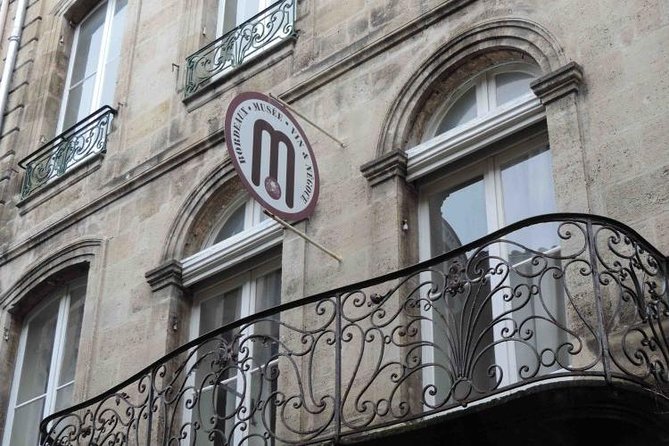
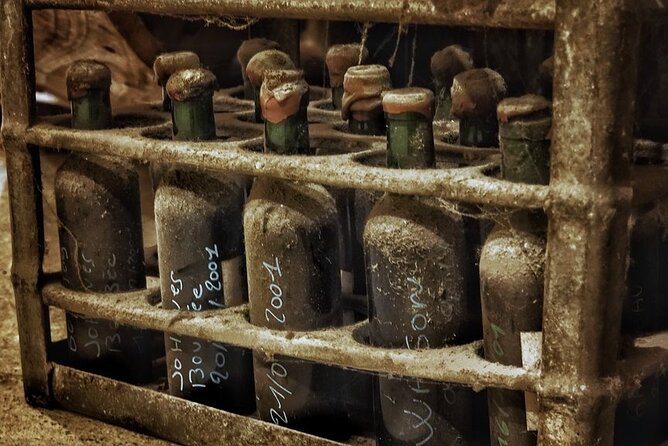
The vaulted rooms are the main visual feature. Their low, old-world cellar atmosphere gives the museum a strong sense of place. You are looking at the sort of rooms where wine was stored and handled, not just reading about them in a modern exhibition hall.
The displays explain the work of coopers, the craftsmen who made and maintained wooden barrels. Barrel aging was not a decorative detail. It affected how wine was stored, developed, and transported. Seeing this subject in an actual cellar gives it more meaning than a short label in a standard gallery.
You also learn about the practices used by Bordeaux merchants in the 19th century. The museum connects those methods to the wider story of trade across two seas, reflecting Bordeaux’s role as a port and commercial center.
This is one reason I would choose the museum over a simple tasting bar if you want context. You do not just sample wine. You see the commercial and technical steps that helped make Bordeaux a major wine city.
Still, keep your expectations realistic. The physical collection is limited by the museum’s size. It is not designed to occupy an entire afternoon unless you read every folder, watch the videos, and ask plenty of questions.
Same trip, a completely different kind of day:
- Medoc or Saint Emilion Wine Tasting and Chateau from Bordeaux
★ 5.0 · 1,415 reviews - Saint Emilion Day Trip with Sightseeing Tour & Wine Tastings from Bordeaux
★ 5.0 · 1,120 reviews - Saint-Émilion: Grand Cru Classé Winery Visit and Tasting
★ 4.6 · 1,118 reviews - Saint Emilion Half-Day Trip with Wine Tasting & Winery Visit from Bordeaux
★ 4.5 · 1,034 reviews
The tasting: Merlot, Cabernet Sauvignon, and Bordeaux labels
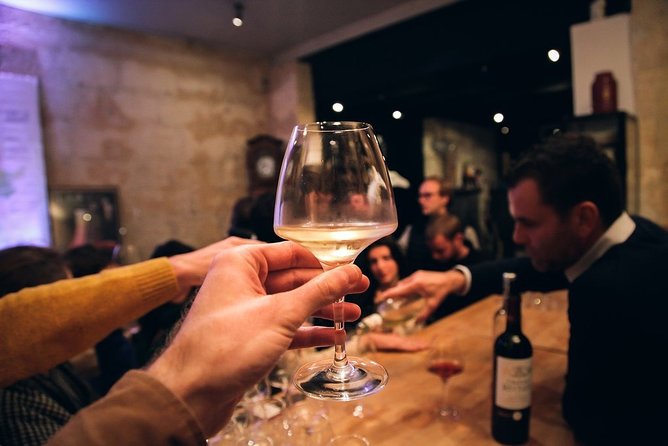
After the museum visit, you go to the boutique for the included tasting. Two wines are served, with the focus on comparing Merlot and Cabernet Sauvignon.
This is a useful pairing because these grapes behave differently and play different roles in Bordeaux blends. Merlot is often associated with softer fruit and a rounder feel, while Cabernet Sauvignon can bring firmer structure and stronger tannin. The exact character depends on the wine, but tasting the two side by side gives you a practical way to notice the contrast.
The host also explains Bordeaux appellations, soil, climate, and the relationship between merchant and chateau wines. The amount of detail may vary depending on the questions you ask and the person leading the tasting. One guide named Cristina was praised for her attentive presentation, while other staff members were also described as friendly and fluent in English.
Do not expect a long restaurant-style tasting. The pours are modest, and the tasting does not last all afternoon. You are in Bordeaux, where you can easily order a larger glass elsewhere if your main goal is drinking wine.
The value comes from the explanation. A good tasting helps you understand what is in your glass and what to look for on a label. Ask questions if you want more detail about soil, appellations, vintage differences, or the merchant system. The staff can answer questions, and the tasting is the part of the visit where you receive the most direct guidance.
Some people found the tasting excellent and generous with information. Others wanted a longer or more detailed presentation. That difference is worth noting. If you want a formal tasting class with several wines and technical instruction, choose a dedicated wine course. If you want two samples linked to a short museum visit, this is a sensible and inexpensive option.
Is $14.51 good value?
At about $14.51 per person, the admission is priced below many major museum and wine activities in Bordeaux. You receive entry to the museum and two wine samples, with no separate tasting fee listed.
I consider that good value for three reasons. First, the historic cellar setting gives you something you cannot get from a standard wine bar. Second, the museum adds useful background before you taste. Third, the English material and staff assistance make the visit workable for international visitors.
The value is less clear if you judge the experience only by the size of the museum. It is small, and the exhibits are not highly interactive. If you finish in 45 minutes and want a large museum with sweeping displays, you may find the admission less satisfying.
The best approach is to treat the ticket as a combined history lesson and tasting. The wine alone may justify the cost for some people, but the real benefit is the connection between the cellar, the Bordeaux trade, and the wines in your glass.
The museum shop also sells bottles and souvenirs. One visitor received complimentary bottles at the end, but you should not count on that as part of the standard admission. Extra food and drinks are not included.
How long to allow and when to go
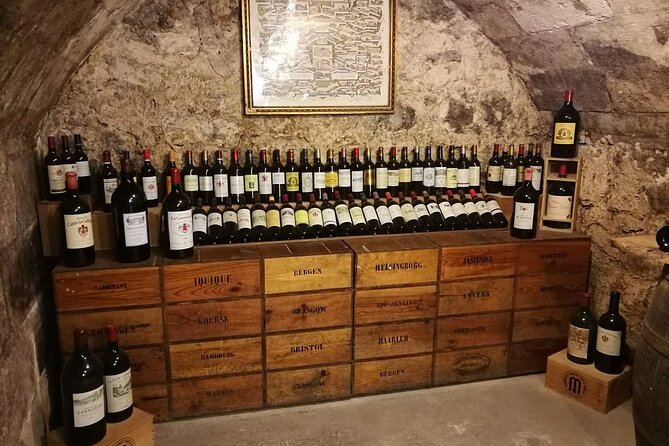
The stated duration is about one to two hours. I would allow at least 75 minutes if you want time for the displays and the tasting without rushing.
A quick visit can take around 45 minutes. A slower visit may reach two hours if you read the English material, watch the videos, examine the artifacts, and stay for questions during the tasting.
The museum is open daily from 10 a.m. to 6 p.m. for the period listed, from January 3, 2025, through February 16, 2027. Multiple visiting times are offered during the day, which gives you room to fit it around lunch, a river stop, or another Bordeaux sight.
Because the visit is self-guided, you are not locked into a long group schedule. That is helpful on a busy sightseeing day. You can also use the museum as a gentle final-morning activity before leaving Bordeaux.
The museum is near public transportation. It was also described as about a five-minute walk from a cruise boat, which makes it convenient if you are visiting Bordeaux during a river cruise stop. Check your own route before setting out, since the exact walking time depends on your starting point.
Who will enjoy this museum most?
I would recommend this visit to you if you want a short introduction to Bordeaux wine rather than a full vineyard excursion. It suits first-time wine visitors who need help with basic grape varieties, labels, appellations, and the role of merchants.
It also works well for couples or small groups who enjoy moving at their own speed. You can read the displays, compare notes, and then talk through the two wines at the tasting.
Families may find useful details here as well. A scent game has been offered for children during tastings, though you should confirm what is available when you visit. Non-drinkers are welcome to join the visit, and one non-drinking visitor was served excellent grape juice during the tasting.
I would be more cautious about booking if you want a large, interactive museum or a full guided tour. The displays can feel text-heavy, the room is compact, and the audio may not be easy for everyone to follow.
The experience also suits a return visit to Bordeaux if you have already seen major wine attractions and want a look at the city’s merchant past. It is particularly useful for understanding how wine commerce shaped the architecture and identity of the Chartrons district.
Practical details before you book
The experience is offered in English, and confirmation is received at booking. Most people can participate, and the museum is near public transportation.
Wear something comfortable for standing and walking through the cellar rooms. The historic space may feel cool, damp, or musty. If you have sensitivity to mold or strong cellar odors, keep that in mind before booking.
You can cancel for a full refund up to 24 hours before the local start time. Changes or cancellations made less than 24 hours before the visit are not accepted for a refund.
Be careful when searching for the museum. It is not Bordeaux’s Cité du Vin. The names and subjects are similar enough to cause confusion, but this is the smaller Wine and Trade Museum in the old merchant quarter.
Should you book the Bordeaux Wine and Trade Museum?
Book it if you want an affordable, compact visit that combines old Bordeaux cellars with a two-wine tasting. The English material, friendly staff, and practical explanation of Merlot, Cabernet Sauvignon, appellations, and merchant wines give the experience real value.
Skip it if you want a large interactive museum, a full vineyard visit, or a long tasting with many pours. The strongest reason to choose this place is its setting and focused subject. You see how Bordeaux wine was traded, stored, and sold, then taste two wines with that story fresh in mind.
For most first-time visitors with a spare hour or two, I think the price makes this an easy addition to a Bordeaux itinerary. Just arrive expecting a small self-guided museum, not a grand production.
FAQ
How long does the Bordeaux Wine and Trade Museum visit take?
The visit takes approximately one to two hours. If you move quickly, you may finish the displays in about 45 minutes, while reading the folders and watching the videos can extend the visit closer to two hours.
Are wine tastings included?
Yes. The admission includes a tasting of two wines in the museum boutique, with a focus on Merlot and Cabernet Sauvignon.
Is the experience offered in English?
Yes. English folders and written explanations are available, and English-speaking staff can answer questions during the visit and tasting.
Is this the same as Bordeaux’s Cité du Vin?
No. The Wine and Trade Museum is a smaller museum in historic vaulted cellars connected to Bordeaux’s merchant trade. It is separate from the Cité du Vin.
What are the museum’s opening hours?
The listed hours are 10 a.m. to 6 p.m., Monday through Sunday, from January 3, 2025, through February 16, 2027.
Can I cancel for a refund?
Yes. You can cancel at least 24 hours before the experience start time for a full refund. Cancellations or changes made less than 24 hours before the start time are not accepted.
More Museums in Bordeaux
- Bordeaux: Museum of Illusions Entry Ticket
★ 4.2 · 588 reviews - Paris: Louvre Museum Timed-Entrance Ticket
★ 4.6 · 71,977 reviews - Louvre Museum Masterpieces Guided Tour with Access
★ 4.5 · 12,023 reviews - Paris: Louvre Museum Entry Ticket With Host and River Cruise
★ 4.6 · 9,926 reviews
Just added around Bordeaux
- Bordeaux : Unforgettable Saint Emilion Half Day Wine Tour★ 4.5 · 131 reviews
- From Bordeaux: Full-Day St Emilion Wine Tasting Tour★ 4.8 · 280 reviews
- Bordeaux:Wine Masterclass & Blending workshop with appetizer★ 4.8 · 54 reviews
- Bordeaux: Sightseeing by Side Car★ 5.0 · 143 reviews
- Bordeaux: Guided Food and Wine Tour with Tastings★ 4.9 · 41 reviews
- Workshop Bordeaux wine tasting: 4 reds & charcuterie pairing★ 5.0 · 72 reviews
- Welcome to Bordeaux: Private Walking Tour with a Local★ 4.4 · 116 reviews
- Bordeaux : Must-See Attractions Walking Tour★ 4.8 · 30 reviews
Wine Tours, compared.
Moulin Rouge Cabaret Show Ticket with Champagne
Read our review →
Authentic Parisian Gourmet Food Tour with 10 Local Dishes & Wines
Read our review →
Loire Valley Castles Day Trip from Paris with Complementary Wine
Read our review →
River Garonne Cruise with Glass of Wine and Canelé
Read our review →
Montmartre Hill French Gourmet Food and Wine Tasting Walking Tour
Read our review →
Montmartre Cheese, Wine & Pastry Guided Walking Tour
Read our review →
Paradis Latin Cabaret Show with Optional Champagne
Read our review →Browse the lists this tour appears in