
Reviewed · MUSEUMS
Bordeaux: Museum of Illusions Entry Ticket
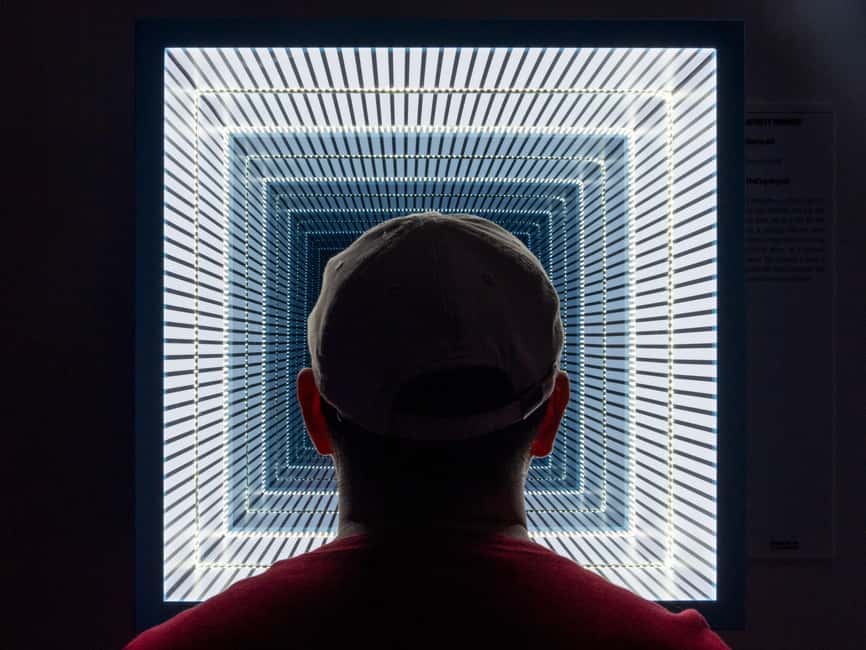
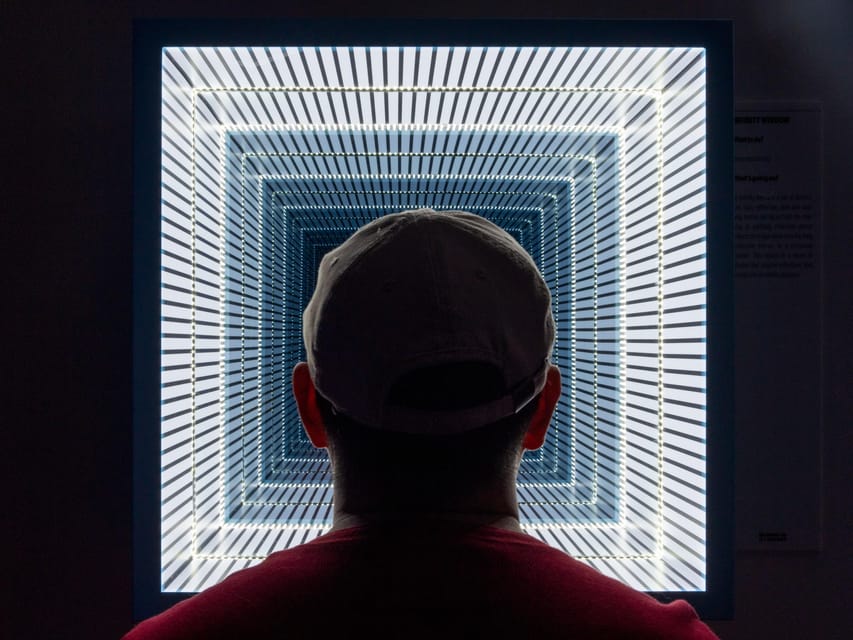
Bordeaux’s Museum of Illusions turns perception into a playground. In one room, you may look as if you are floating, standing upside down, or shrinking in size. The best part is that you do not just watch the tricks. You test them, pose inside them, and see how your eyes can be fooled.
I like the mix of hands-on fun and clear explanations, especially for families with children. I also like the freedom to move at your own pace, stopping for photos when you find a favorite effect. The main drawback is value: at $22 per person for about an hour, it is not a cheap stop, and the mirror room may involve a wait while feeling smaller than expected.
Key points to know before you go
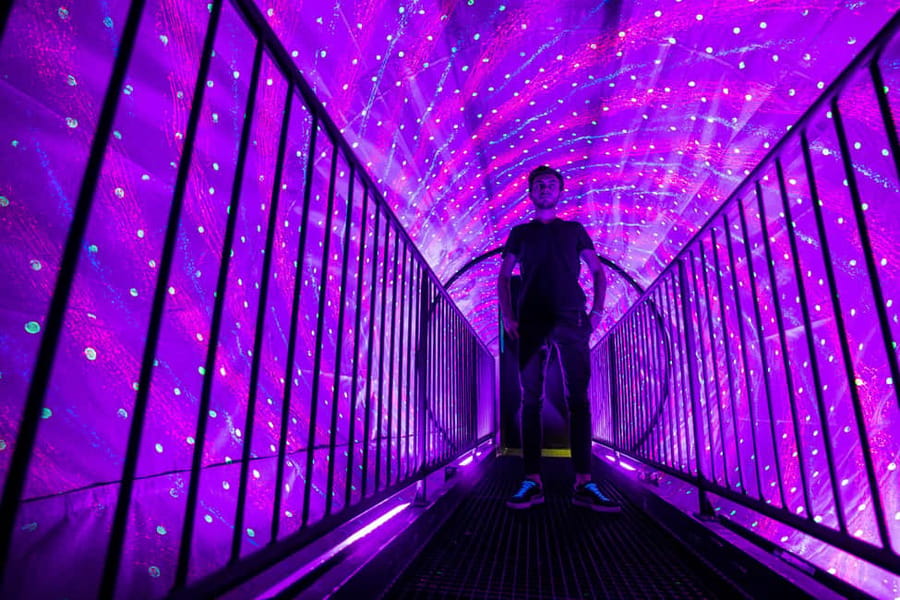
- Optical tricks you can enter: Pose as if you are floating, upside down, or changing size.
- A one-hour visit: The museum is compact, making it easy to fit into a Bordeaux day.
- Science behind the fun: Visual information explains why your eyes and brain misread each effect.
- Strong family appeal: Children aged 7 and 12 were both reported to enjoy the visit, with plenty of laughter along the way.
- Bring a charged phone: Photos are a major part of the experience, so arrive ready to shoot.
- Check the price against your plans: The $22 ticket can feel high for a short visit, especially if you want a large museum with a long program.
What the Museum of Illusions in Bordeaux actually offers
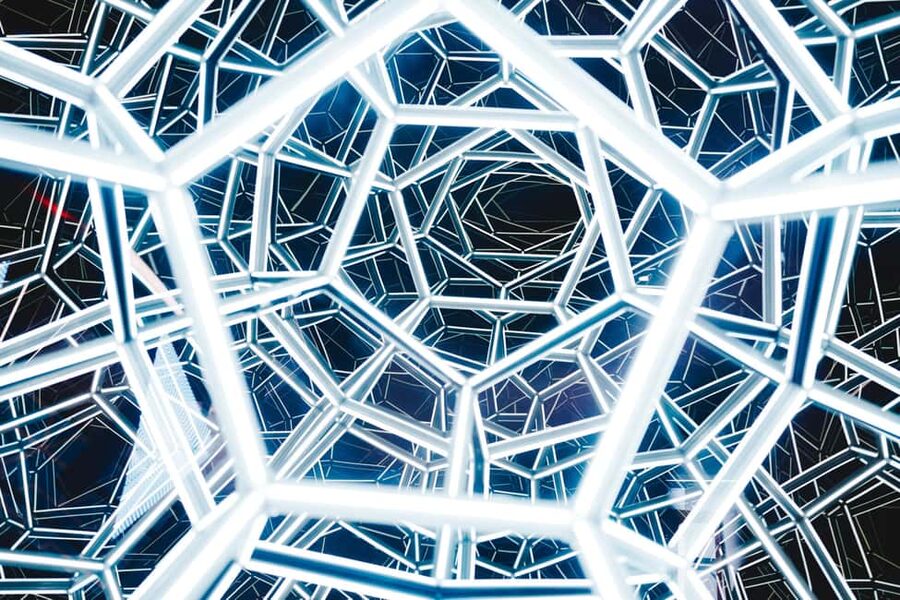
The Musée de l’Illusion Bordeaux is built around a simple idea: your eyes do not always tell the truth. Instead of walking through a conventional museum filled with objects behind glass, you move among installations that ask you to look, think, pose, and try again.
That makes the visit feel more like a playful experiment than a formal museum tour. You can explore independently, and the experience does not depend on a guide or a fixed departure time. Check the available starting times when booking, then give yourself permission to linger at the displays that work best for you.
The visit lasts about one hour. That is long enough to see the main rooms without making the activity tiring, but short enough to fit before lunch, between sightseeing stops, or into a rainy afternoon in Bordeaux.
The museum is also designed for photographs. Many effects only make sense when you stand in the right place or frame the picture correctly. Your companion may need to help with the camera, so arrive with a charged smartphone or a separate camera.
More museums and galleries in Bordeaux:
- Bordeaux Wine and Trade Museum Admission Ticket with Wine Tasting
★ 4.5 · 599 reviews - Paris: Louvre Museum Timed-Entrance Ticket
★ 4.6 · 71,977 reviews - Louvre Museum Masterpieces Guided Tour with Access
★ 4.5 · 12,023 reviews
Starting with visual tricks and sensory confusion
The early part of the visit introduces you to the basic problem of illusion: the information reaching your eyes can be accurate, yet your brain can still interpret it incorrectly. The displays use changes in perspective, scale, shape, and visual balance to create that confusion.
You might look at an image or installation and feel sure you understand what you are seeing. Then you change position, view it from another angle, or compare it with a nearby reference. The effect shifts. This small moment of uncertainty is the heart of the museum.
I like this format because you are not asked to absorb a long lecture. The educational material is tied to something you have just seen with your own eyes. For children, that link can make a basic lesson about perception easier to remember. For adults, it adds a little substance to what could otherwise be a room full of photo props.
The sensory effects also help break up the visit. Not every installation depends on the same visual trick, so the experience does not become a single repeated joke. You move from looking closely to judging space, from solving a puzzle to setting up a photograph.
Holograms and the science of seeing
Holograms provide some of the museum’s most immediate visual appeal. They can seem to float or appear in a form that does not match the physical space around them. The point is not simply to make you say how did that happen? The displays also give you a way to understand how light, angles, and perception create the effect.
The explanations matter. Without them, the museum could feel like a string of clever backgrounds for social media. With them, you begin to notice how much your brain fills in, corrects, and guesses every second.
Do not expect a university-level science lesson. The information is there to support the installations, not replace them. If you enjoy reading every panel, you may spend more than an hour. If your group is focused mainly on photos, you may move faster.
This is a good place to slow down children who want to rush from one trick to the next. Ask them what they think is happening before they read the explanation. That turns each display into a small guessing game and gives the educational side more weight.
Perspective rooms built for photographs
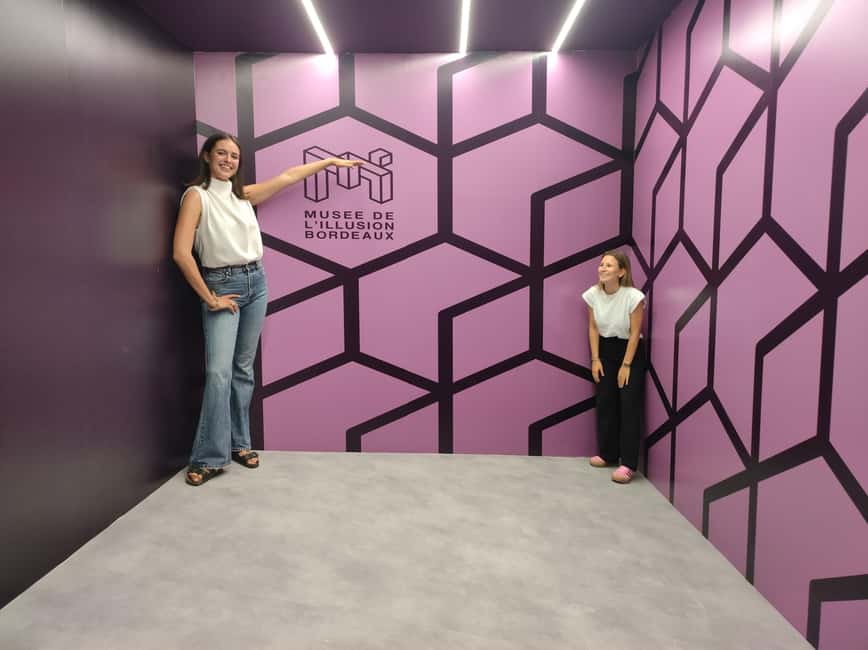
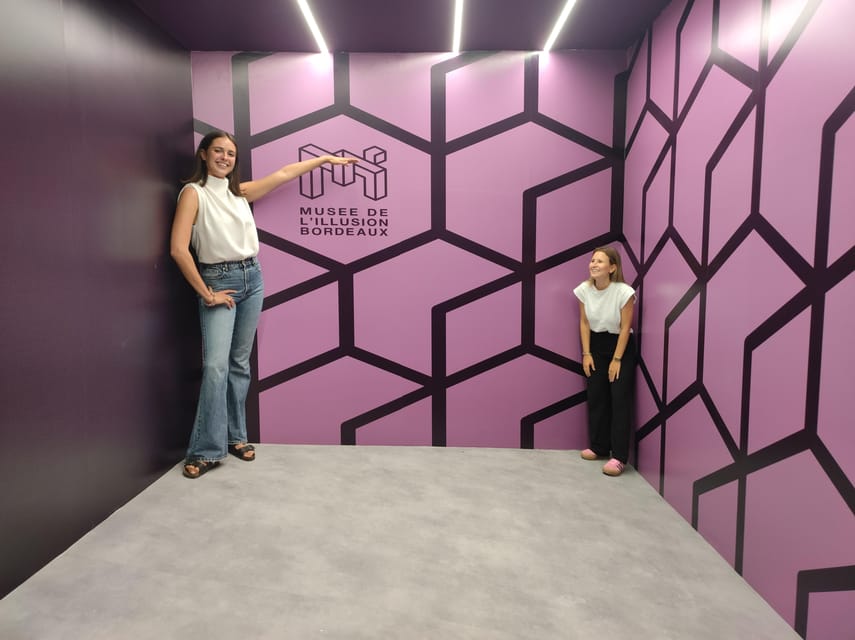
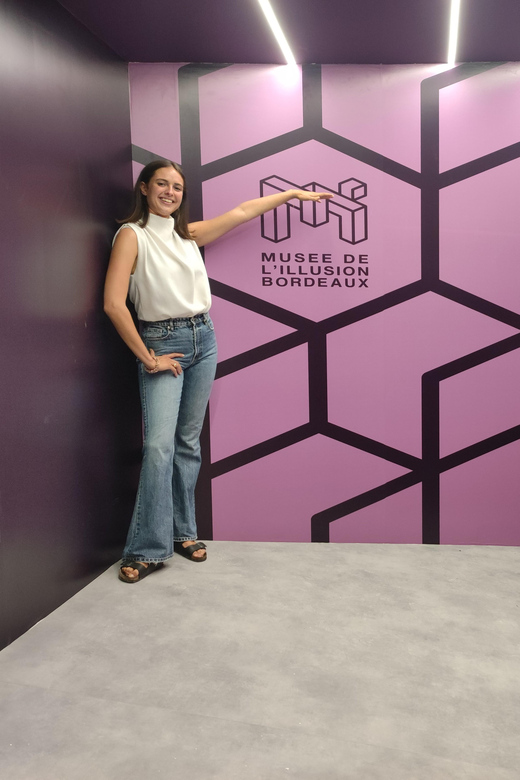
The photo rooms are the museum’s most obvious crowd-pleaser. They are arranged so that a carefully positioned camera makes ordinary changes in height, angle, or scale look impossible.
You can appear to float in mid-air, stand upside down, or seem much smaller than you really are. These effects work best when you follow the marked viewpoint and let another person take the picture. If you are visiting alone, you may need to spend more time arranging your phone or asking for help.
The photos are not just a bonus. They are part of the design. You are encouraged to become part of the illusion, which makes the experience more active than simply viewing a display.
For families, this can be the point where children become fully involved. Two young children aged 7 and 12 were both said to have enjoyed the visit, with the older child and younger child finding their own ways to play with the rooms. That age range suggests the museum can work for mixed family groups, though very young children may need help understanding where to stand.
Couples can also have fun here, especially if you do not mind taking turns as photographer and subject. The visit rewards a little patience. A rushed picture from the wrong angle may look like an ordinary room, while a carefully framed one can sell the trick.
A few more Bordeaux half-days worth comparing
- Bordeaux: Cité du Vin Entry Ticket and Wine Tasting
★ 4.6 · 3,885 reviews - Bordeaux: River Garonne Cruise with Glass of Wine and Canelé
★ 4.5 · 3,630 reviews - From Bordeaux: Afternoon Saint-Emilion Wine Tasting & snack
★ 4.8 · 1,581 reviews - Medoc or Saint Emilion Wine Tasting and Chateau from Bordeaux
★ 5.0 · 1,415 reviews
The mirror room and the main practical caution
The mirror room is likely to attract attention, but it may also slow your progress. A recent visit described a wait for entry and found the room smaller than expected compared with similar attractions elsewhere.
That is useful context. Do not build your entire $22 decision around one large mirror maze or a long, elaborate attraction. The museum is a collection of different visual and sensory installations, and the mirror room is only one part of it.
If there is a queue, use the time to look at the surrounding information or prepare your camera. The room may be more enjoyable when you enter without expecting a huge maze. Its appeal comes from the repeated reflections and the way they alter your sense of space, not necessarily from its size.
This is also where the one-hour duration becomes important. A wait can take a noticeable share of your visit. If the museum is busy, you may need to choose between spending longer with the mirror effect and moving on to see the rest of the displays.
How long the visit feels at $22
The ticket costs $22 per person, and the stated visit time is one hour. That places the experience on the expensive side for a short indoor activity, particularly if you are comparing it with a large art museum or a full-day attraction.
The value depends on what you want from the stop. If you want a compact activity with unusual photos, simple science, and plenty of interaction, the price may make sense. You are paying for the installations and the chance to participate in them, not for a long guided program.
If you are traveling with a family, the total can rise quickly. At that point, I would ask whether everyone in your group enjoys posing, puzzles, and visual experiments. The museum is a better buy when the whole group will take part rather than when one person is interested and the rest are waiting.
The positive side is that the visit is easy to fit into your schedule. You do not need half a day, special equipment, or prior knowledge. If the weather is poor, the museum offers a focused indoor plan. If you have a packed sightseeing schedule, one hour is less of a commitment than a large museum.
You can also cancel up to 24 hours before the activity for a full refund, and the reserve-now, pay-later option keeps you from paying at once. Those policies help if your Bordeaux plans are still shifting, but they do not change the basic price question.
Who will enjoy this Bordeaux attraction most
I would put this near the top of the list for families with school-age children. The installations are playful, the explanations are short enough to hold attention, and the photo rooms give children something to do rather than simply something to look at.
It also suits couples and friends who like taking silly photos together. The experience works best when you are willing to participate. If you prefer quiet galleries, detailed historical displays, or a long chronological tour, this may not be your ideal museum.
The attraction can also work for a mixed-age group because the same room offers different levels of interest. A child may enjoy the impossible pose, while an adult studies the reason the image works. You do not need to understand every scientific point to have a good time, but the information rewards anyone who wants to look closer.
The attraction is wheelchair accessible, which makes it easier to include in a wider Bordeaux plan. The supplied details do not specify the layout of every installation, so if a particular room is essential for your group, confirm current access arrangements before booking.
Tips for getting better photos
Charge your smartphone before you arrive. This sounds basic, but the museum’s value depends partly on the pictures you take, and a low battery can spoil the most memorable part of the visit.
Take a moment to read the instructions before posing. These rooms depend on perspective, so standing a step too far forward or too far back can weaken the effect. Let the person taking the picture check the frame before you move on.
Try more than one pose. A floating effect may look convincing with your arms spread, while an upside-down scene may need a more dramatic position. The museum is designed for trial and error, so the first picture does not have to be the final one.
If you are with children, take both individual and group photos. A child may enjoy appearing unusually small, while a group image can create a more amusing result when everyone seems to occupy different parts of the room.
Keep food and drinks outside. Alcohol and drugs are not allowed, and the museum is intended for active participation, so travel light and keep your hands free for the installations and your camera.
A sensible place in a Bordeaux itinerary
The meeting point is Musée de l’Illusion Bordeaux itself. Since no transport or hotel pickup is included, plan to make your own way to the museum and check the start-time options before you reserve.
The one-hour format makes it useful as a short stop rather than the main event of your day. You could place it between other Bordeaux plans, use it during poor weather, or choose it when your group needs an activity that does not require a long walk or a full afternoon.
I would avoid scheduling it too tightly against an important reservation if you expect your group to take many photos. The official duration is one hour, but queues, camera setup, and children wanting another turn can add a little time.
Because the museum is self-paced, you are not tied to a guide’s route. That is convenient for families moving at different speeds. It also means you need to manage your own time if one display captures your attention.
Should you book the Museum of Illusions Bordeaux?
Book it if you want a short, playful indoor activity where you can touch, test, photograph, and question what you see. It is particularly suitable for families with children around the 7 to 12 age range, couples who enjoy funny photos, and anyone curious about how perception can be fooled.
Think twice if $22 feels high for a one-hour visit or if you expect a large mirror attraction to carry the experience. The mirror room may involve a wait and may be smaller than you imagine. The strongest value comes from treating the museum as a full collection of visual tricks, not as one headline exhibit.
For the right group, the museum offers more than a photo stop. You get laughter, simple science, and a chance to see how quickly your own eyes can mislead you. Just arrive with a charged phone, a little patience, and realistic expectations about the size of the venue.
FAQ
Where is the Museum of Illusions Bordeaux?
The meeting point is Musée de l’Illusion Bordeaux in Nouvelle-Aquitaine, France.
How long does the visit take?
The stated duration is one hour. You may spend more time if you wait for an installation or take many photos.
How much does admission cost?
The ticket costs $22 per person.
What does the ticket include?
It includes entry to the Museum of Illusions Bordeaux.
Are food and drinks included?
No. Food and drinks are not included, and food and drinks are not allowed inside.
Can I take photos?
Yes. Photography is a central part of the experience, and you should bring a camera or charged smartphone.
Is the museum wheelchair accessible?
Yes, the activity is listed as wheelchair accessible.
Can I visit at my own pace?
Yes. You can explore the installations at your own pace rather than following a fixed guided tour.
Can I cancel my booking?
You can cancel up to 24 hours in advance for a full refund.
Can I reserve now and pay later?
Yes. The activity offers a reserve-now, pay-later option, so you do not need to pay at the time of booking.
Just added around Bordeaux
- Bordeaux : Unforgettable Saint Emilion Half Day Wine Tour★ 4.5 · 131 reviews
- From Bordeaux: Full-Day St Emilion Wine Tasting Tour★ 4.8 · 280 reviews
- Bordeaux:Wine Masterclass & Blending workshop with appetizer★ 4.8 · 54 reviews
- Bordeaux: Sightseeing by Side Car★ 5.0 · 143 reviews
- Bordeaux: Guided Food and Wine Tour with Tastings★ 4.9 · 41 reviews
- Workshop Bordeaux wine tasting: 4 reds & charcuterie pairing★ 5.0 · 72 reviews
- Bordeaux: St-Emilion and Medoc Wine Day Tour with Lunch★ 4.8 · 64 reviews
- Welcome to Bordeaux: Private Walking Tour with a Local★ 4.4 · 116 reviews
Museums, compared.
Louvre Museum Masterpieces Guided Tour with Access
Read our review →
Louvre Museum Entry Ticket With Host and River Cruise
Read our review →
Les Invalides: Napoleon’s Tomb & Army Museum Entry
Read our review →
Louvre Museum – Exclusive Guided Tour (Entry Included)
Read our review →
Louvre Museum Hosted Entry and Mona Lisa Audioguide
Read our review →
Louvre Museum Tour Mona Lisa & Iconic Masterpieces
Read our review →
Browse the lists this tour appears in