
Reviewed · MUSéE D'ORSAY TICKETS
Paris: Orsay Museum Daily Entry Ticket
The Musée d’Orsay gives you a remarkable two-part experience: great French art inside a converted railway station. You can see Renoir, Cézanne, Van Gogh, Degas, Monet, and major sculptures without joining a guided group or following a fixed route. I especially like the freedom to set your own pace and the fact that one ticket covers both the permanent collection and temporary exhibition.
The catch is important: this is an open-entry ticket, not a timed ticket. At busy periods, especially holidays, afternoons, Tuesdays, and the days around New Year’s Eve, you may still face a long wait at entrance C1. If your Paris schedule is tight, that uncertainty matters.
Key points before you book
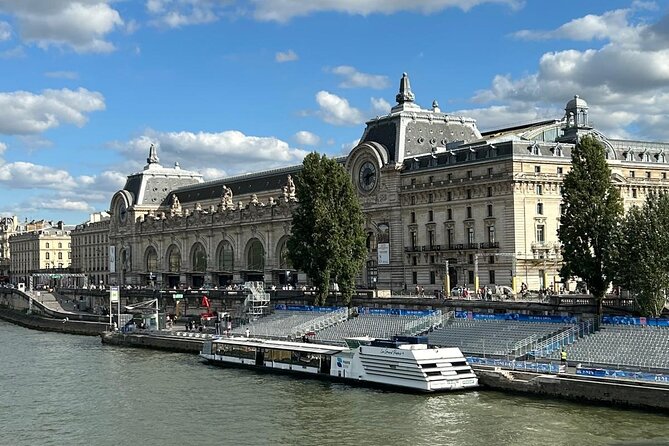
- The old railway station is part of the experience: The Musée d’Orsay’s grand building gives the visit a strong sense of place before you even reach the paintings.
- The Impressionist collection is the main draw: Renoir, Cézanne, Van Gogh, Monet, Degas, and other major artists are represented, along with sculptures and decorative arts.
- One ticket covers temporary exhibitions: You do not need to arrange a second museum ticket for the temporary show.
- Entrance C1 is the designated access point: Keep your QR code or ticket details ready, since some people have reported confusion when presenting vouchers rather than a clearly labeled ticket.
- Open entry offers flexibility: The ticket is valid during opening hours, listed as 9:30am to 6pm, so you can fit the museum around the rest of your day.
- Crowds can erase the time savings: Pre-booking often makes entry easy, but it does not guarantee immediate access during peak periods.
Why the Musée d’Orsay is worth your Paris time
I like the Musée d’Orsay because it gives you a focused art visit without the sheer scale of a giant palace museum. You can spend two hours on a careful highlights visit, or stay closer to four hours if you want to read labels, inspect sculpture, and take your time with the temporary exhibition.
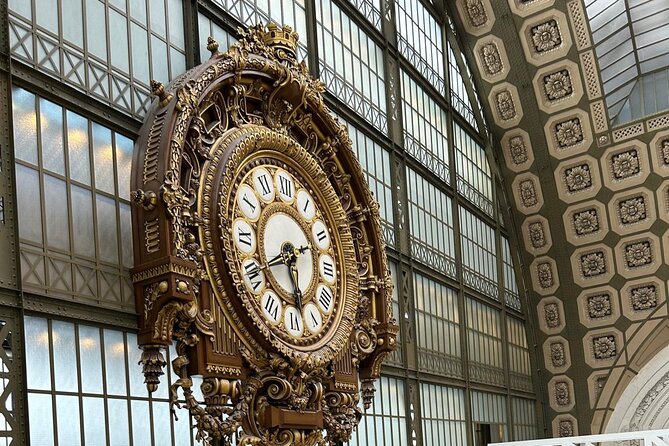
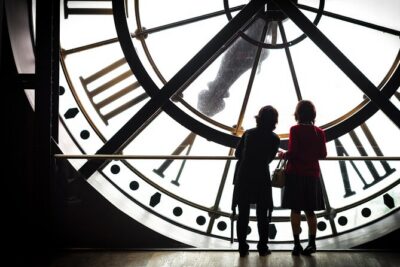
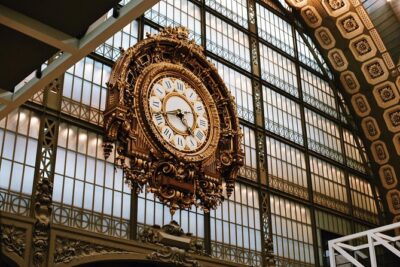
The museum’s appeal is also physical. It occupies the former Gare d’Orsay, so the building itself frames the art. The large clock and views toward the right bank are memorable stops, not just places to pass on the way to another gallery. The station setting gives the museum a different feel from a traditional royal collection.
The strongest reason to come is the concentration of Impressionist and Post-Impressionist work. You can stand close to famous paintings by Renoir, Cézanne, and Van Gogh, then shift to sculpture, photography, or decorative arts when you need a change of pace. That variety helps make the museum suitable for a mixed group. One person can focus on painting while another spends more time with sculpture or the building.
More Musee d'Orsay tickets and tours:
- Paris in a Day: Louvre or Orsay, Eiffel Tower, City Walk & Cruise
★ 5.0 · 1,956 reviews - Paris: Musée d’Orsay Entry Ticket and Seine River Cruise
★ 4.6 · 1,344 reviews - Paris: Musée d’Orsay Skip-the-Line Tour with Expert Guide
★ 4.5 · 1,145 reviews
What your open-entry ticket includes
At about $24.14 per person, this ticket is not a bargain basement admission. Its value depends on the day and the crowd. When the museum’s own tickets are sold out, an available entry option can be useful. It can also save you the trouble of making a separate decision about the temporary exhibition, since access to both the permanent collection and temporary show is included.
The ticket is open during the stated opening hours, from 9:30am to 6pm. That gives you more control than a tightly timed tour. You can plan a morning visit, fit the museum between other sights, or make a last-minute choice to go if the weather turns poor.
The tradeoff is that flexibility works both ways. A timed ticket gives you a specific arrival window. This product does not. You may be admitted promptly, or you may face a long line when many people arrive at once. Several experiences with this ticket were smooth, with QR codes scanned at the proper entrance and quick access. Other visits involved waits of 30 minutes, more than an hour, or even two hours during busy periods.
That range is the central fact to understand. Pre-booked does not always mean no wait.
Finding entrance C1 and getting inside
The dedicated entrance is C1. Follow the instructions supplied with your ticket rather than joining a random general-admission line. Having the QR code available on your phone makes the process easier, and some people have been admitted directly after presenting it at the correct door.
Security comes first. The museum has lockers for belongings and a coat check, which is useful in colder months. The details provided do not promise a special fast lane in every situation, so you should still allow extra time for security and crowd control.
Ticket presentation has occasionally caused confusion. A voucher may not look like a standard museum admission ticket, and staff may need to inspect it carefully. Keep the booking confirmation open, make sure the QR code is easy to display, and check that you are going to C1. If the ticket is not visible in an app, the confirmation message may be the item you need.
For a calm visit, I would aim for the opening period rather than midafternoon. That advice is especially important during holidays. A pre-booked ticket helped many people avoid the longest general line, but it could not remove the crowd inside the building or guarantee instant entry.
A practical two to four hour route
Your visit is self-guided. There is no tour leader, group meeting point, or required order. That is good news if you want to stop for several minutes at one painting and move quickly through material that interests you less.
Start by getting your bearings in the station building. Notice the scale, the clock, and the way the former train setting shapes the museum. Then make the Impressionist and Post-Impressionist rooms your priority, especially if this is your first visit or you have only two hours.
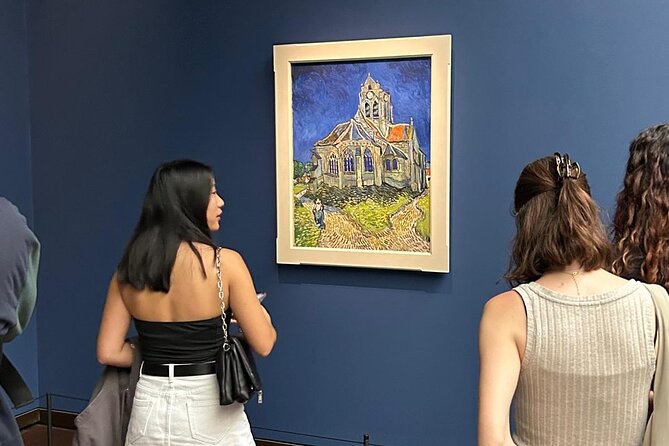
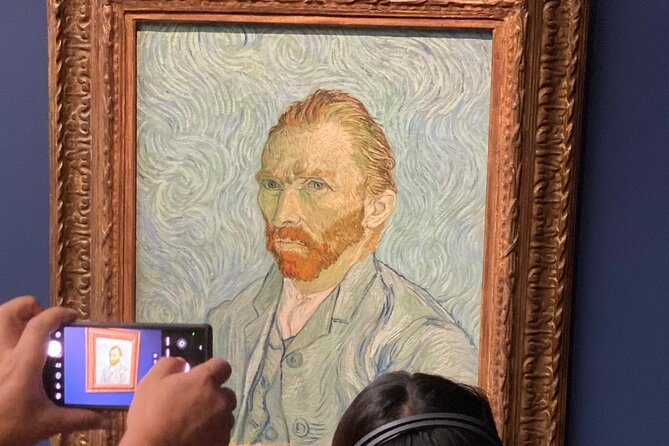
Renoir’s Dance at le Moulin de la Galette is one of the named highlights. Cézanne’s Apples and Oranges offers a different kind of pleasure, with the artist’s still-life approach giving you a quieter counterpoint to Renoir’s social scene. Several self-portraits by Van Gogh are also part of the collection. These are the works to seek first if you want a clear plan rather than wandering without direction.
Give yourself time with sculpture as well. The museum is not only a painting stop. Sculptures, photographs, and decorative arts broaden the visit, and they are useful if your group has mixed interests. The art nouveau and Post-Impressionist sections can also provide a less crowded change of pace, depending on the day.
The fifth floor is a popular area for the major Impressionist works. It can be busy, so do not expect a quiet, private viewing. Still, the concentration of important paintings makes it a sensible priority. If you have children, the museum may be manageable because the collection can be covered in a few hours rather than requiring an all-day commitment.
For a longer visit, add the temporary exhibition and return to the works you want to see again. The café areas and museum restaurant offer places to pause, though food is not included in the ticket. A gift shop is also available.
More museums and galleries in Paris:
- Paris: Louvre Museum Timed-Entrance Ticket
★ 4.6 · 71,977 reviews - Louvre Museum Masterpieces Guided Tour with Access
★ 4.5 · 12,023 reviews - Paris: Louvre Museum Entry Ticket With Host and River Cruise
★ 4.6 · 9,926 reviews - Les Invalides: Napoleon’s Tomb & Army Museum Entry
★ 4.6 · 9,185 reviews
The art and the building work together
Many museums ask you to choose between architecture and art. Here, the two are tied together. The former station provides the setting, the clock gives you a visual landmark, and the long interior spaces help you understand why the building feels different from a standard gallery.
The clock looking toward the right bank is a favorite stop for many people. It is also a useful place to pause when the galleries feel crowded. Do not rush through it simply because it is not a painting. It helps explain the museum’s identity.
The collection is broad enough to suit more than dedicated art specialists. If you love Impressionism, you can spend most of your time on the fifth floor and in related galleries. If you are less familiar with the period, you can use the famous works as anchors, then sample sculpture, photography, and decorative arts around them.
That said, the museum can feel underwhelming if you arrive expecting an empty, perfectly paced art experience. Packed galleries make it harder to stand back from a painting, and a crowded room can reduce the impact of even a famous masterpiece. You may need patience, especially at the most popular works.
When this ticket is good value
The ticket makes the most sense in three situations.
First, it helps when regular museum tickets are sold out. An available open-entry option can rescue a last-minute museum plan. That convenience has real value in Paris, where a sold-out attraction can force you to rebuild your day.
Second, it suits people who dislike rigid schedules. You can choose when to arrive during the stated hours and stay for as long as you like. If you want to spend two hours rather than commit to a full day, the flexibility is useful.
Third, it works well for a self-guided visit. You are paying for access, not for commentary, transport, or a group itinerary. That keeps the experience simple, but you should know what you are buying. An audio guide is not included and can be purchased at the museum. Transportation and food are also your responsibility.
The price is harder to justify if you need guaranteed fast entry. In that case, a timed ticket may suit you better, even if it offers less flexibility. Several people who expected a short wait were disappointed by long lines at C1. The product description makes the open nature clear, but you still need to plan for peak demand.
Best times and crowd strategy
The most useful practical tip is to go early. A Tuesday morning visit was reported as fairly easy, while Tuesday afternoon and the period before New Year’s Eve produced much longer waits. The exact crowd can change, but the pattern is clear enough: arrival time matters.
Holiday periods are the biggest warning sign. Even the dedicated entrance may involve a wait of about 30 minutes or longer. On especially crowded days, general admission lines at C1 and C2 have reached two hours.
If you have only a few hours in Paris, do not place this visit directly before a nonrefundable reservation unless you have plenty of room. The open ticket gives you freedom, but it does not give you a firm start time. I would build in extra time and keep the rest of the day flexible.
Once inside, the museum may still be crowded. Pre-booking can reduce the outdoor wait without giving you a peaceful gallery. Focus first on the rooms and works you most want to see. You can return to secondary sections if the building begins to thin out.
Who should book this experience
I would recommend this ticket to you if you want to explore independently, care about Impressionist art, or need an entry option after standard museum tickets have sold out. It is also a good fit for families and mixed-interest groups because the visit can be short, flexible, and varied.
It suits a first visit if you are willing to do a little preparation. Pick two or three artists or works before arrival, then allow yourself time to wander. Without a plan, the collection can still be enjoyable, but you may miss the pieces you most wanted to see.
I would be cautious if your Paris schedule is packed or if you dislike standing in line. The lack of timed entry is the key weakness. A person who considers a two-hour wait unacceptable should not treat this ticket as a guaranteed skip-the-line product.
Most people can participate, and the museum is near public transportation. The experience is not a guided tour, so you are responsible for getting there, choosing your route, and deciding how long to stay.
Cancellation and small practical details
Free cancellation is available if you cancel at least 24 hours before the experience start time. Changes or cancellations made less than 24 hours ahead are not accepted for a refund, and the cut-off follows local Paris time.
The ticket is provided by Paris Odyssey. Confirmation is sent at booking, and the booking information should tell you how to use the dedicated entrance. Since ticket presentation has caused occasional confusion, save the confirmation before you arrive and keep your phone charged.
The listed visit length is about two to four hours, but you can set your own pace during opening hours. Food, transportation, and an audio guide cost extra. Lockers and a coat check are available at the museum.
Should you book the Musée d’Orsay open-entry ticket?
Book it if you value flexibility, want the permanent collection and temporary exhibition under one admission, or need a practical option after regular tickets sell out. The building, famous paintings, sculpture, and famous clock make this one of Paris’s most rewarding art stops.
Do not book it expecting a guaranteed instant entrance. For the best chance of a smooth visit, arrive early, use entrance C1, and allow extra time during holidays and busy afternoons. If a firm arrival time matters more to you than an open schedule, choose a timed-entry product instead.
FAQ
What does the Musée d’Orsay ticket include?
It includes entry to the permanent collection and the temporary exhibition. You also receive access through the designated entrance C1.
Is the ticket timed?
No. It is an open ticket that can be used during the museum’s stated opening hours, from 9:30am to 6pm.
Can I visit the museum at any time during opening hours?
Yes. The ticket is described as open entry during the listed hours of 9:30am to 6pm.
Does the ticket include temporary exhibitions?
Yes. Access to the temporary exhibition is included, so you do not need a separate temporary-exhibition ticket.
Is an audio guide included?
No. An audio guide can be purchased at the museum.
Is transportation included?
No. You are responsible for getting to the Musée d’Orsay.
Is food included?
No. Food is not included, though the museum has cafés and a restaurant.
How long should I plan for the visit?
The estimated visit lasts about two to four hours, but you can set your own pace and stay as long as desired during opening hours.
Where should I enter?
Use the dedicated C1 entrance and follow the ticket instructions. Keep your QR code or booking confirmation ready.
Can I cancel for a full refund?
Yes, if you cancel at least 24 hours before the experience start time. Cancellations or changes made less than 24 hours before the start time are not accepted for a refund.
Just added around Paris
- Paris: Croissant Baking Class with a Chef★ 5.0 · 201 reviews
- Cooking Class with a Parisian Chef★ 5.0 · 46 reviews
- Paris: Classic Sites Tour by Vintage Citroen 2CV★ 4.6 · 189 reviews
- Cocktails lessons in Speakeasy★ 4.5 · 72 reviews
- Paris: Choux Pastry and Chocolate Éclair Making Class★ 4.9 · 50 reviews
- Paris: Cheese and Wine Class in a 17th Century Cellar★ 4.8 · 91 reviews
- Paris: Romantic Photoshoot for Couples★ 4.9 · 131 reviews
- Paris: Bread and Croissant-Making Class★ 4.8 · 206 reviews
Musée d'Orsay Tickets, compared.
Paris in a Day: Louvre or Orsay, Eiffel Tower, City Walk & Cruise
Read our review →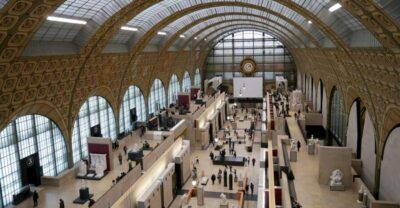
Musée d’Orsay Entry Ticket and Seine River Cruise
Read our review →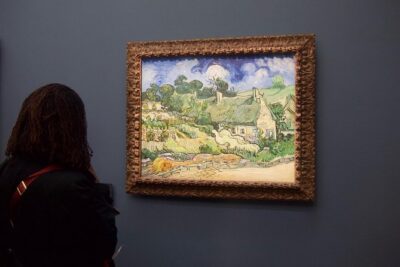
Musée d’Orsay Skip-the-Line Tour with Expert Guide
Read our review →
Musée d’Orsay Skip-the-Line Tour with Expert Guide
Read our review →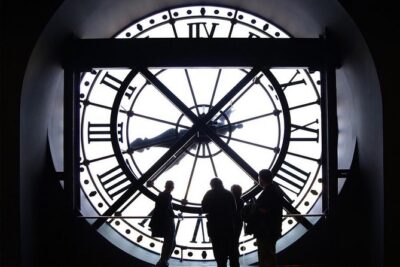
The Musée d’Orsay Guided Tour Orsay Museum Semi-Private 6ppl Max
Read our review →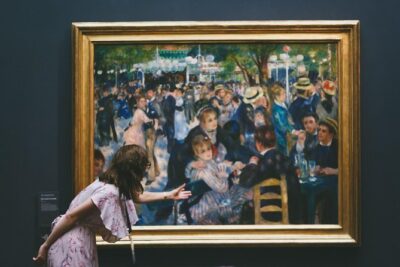
Louvre & Musée d’Orsay Guided Museum Tour Semi-Private 6ppl Max
Read our review →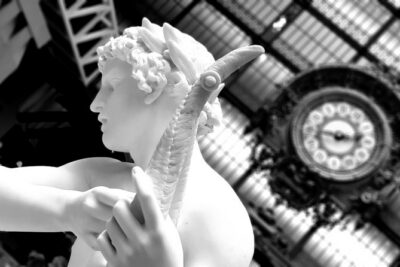
Orsay Museum – Exclusive Guided Tour (Reserved Entry Included)
Read our review →Browse the lists this tour appears in