
Reviewed · COOKING CLASSES
Paris: Full-Day Cooking Class with 3-Course Lunch
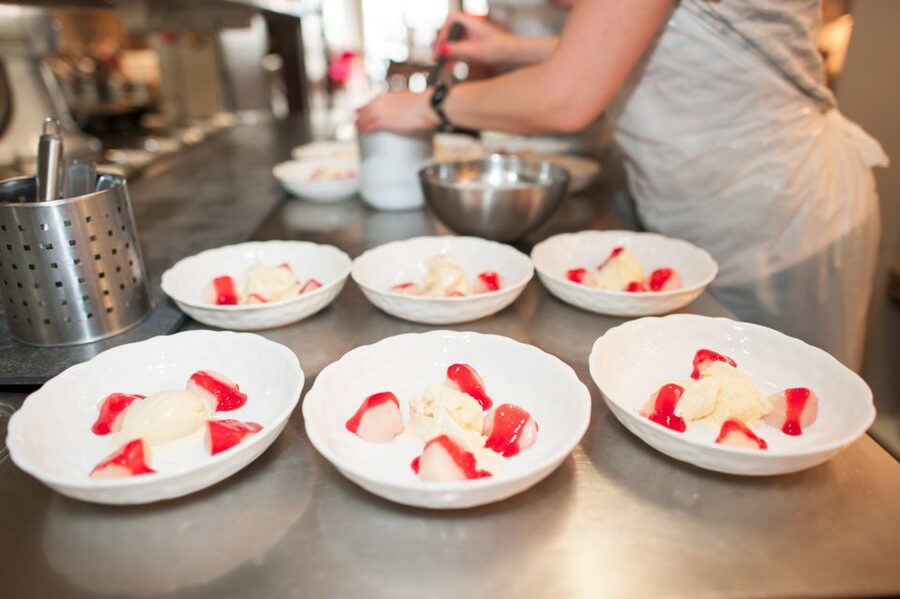
The best part of this Paris cooking class is that the menu starts with what is fresh at the market, not with a fixed list of recipes. You learn how French cooks plan a meal, prepare parts ahead, and turn simple ingredients into a three-course lunch.
I like the small-group kitchen format and the way cooking leads naturally into a long shared meal with red and white wine and generous cheese. I also like the instructors’ mix of practical teaching and food stories, from knife skills to 2,500 years of French culinary tradition.
The main consideration is the price, $222 per person. That is a serious cost for a five-hour activity, and very experienced home cooks may find some of the material basic. Group size can also vary, so do not assume every session will have only three to seven people.
Key points to know before booking
- Market-led menu: Your dishes are shaped by fresh produce bought that morning, so the menu can change.
- Six to eight techniques: Expect useful lessons in areas such as knife work, sauces, advance preparation, and dessert making.
- A real sit-down lunch: You eat the food you helped prepare, with cheese and both red and white wine.
- Instructors vary: Paulo, Frédéric, Luke, Luc, and other Le Foodist chefs have led sessions, all teaching in English.
- Latin Quarter setting: The class takes place at Le Foodist, 59 rue Cardinal Lemoine, near the Rue Mouffetard area.
- Not aimed at young children: Children under 10 are not permitted, and dietary restrictions need to be shared at least 24 hours ahead.
Starting at Le Foodist in the Latin Quarter
You meet at Le Foodist, at 59 rue Cardinal Lemoine in Paris’s 5th arrondissement. The class normally begins at 10:30, with lunch finishing around 15:00. That timing matters because this is not a quick demonstration squeezed between sightseeing stops. It takes up most of your day.
The setting is one of the main pleasures. You work in a clean, well-equipped kitchen, then sit together in a charming dining room for the meal. Several participants have singled out the comfortable premises, polished equipment, and welcoming atmosphere. You are not cooking in a cramped corner of a restaurant while customers watch from the next table.
The location also works well for a food-focused day in Paris. Le Foodist is near the Rue Mouffetard neighborhood, with its market, shops, and cafés. You can make the class part of a longer walk through the Latin Quarter before or after lunch, though the five-hour schedule leaves little room for another major attraction at midday.
More cooking classes in Paris:
- Paris Cooking Class and Lunch with Wine plus Market Visit Option
★ 5.0 · 1,024 reviews - Paris Croissant Small-Group Baking Class with a Chef
★ 5.0 · 910 reviews - Paris: French Croissant Baking Class with a Chef
★ 4.9 · 712 reviews
A market-based menu instead of a fixed recipe sheet
The hosts return from a local market with fresh produce before you begin. The ingredients available that day help shape the menu, giving the class a seasonal feel and a useful lesson in French meal planning.
That flexibility is more valuable than it may first appear. You are not simply copying a recipe with ingredients measured in advance. You learn how to look at what is available, decide what belongs together, and build a meal with a sensible rhythm.
The menu includes an appetizer, main course, and dessert. Past classes have covered techniques connected with dishes such as ice cream and wine sauce, but you should not expect the exact same menu on every date. The point is to teach methods you can use again, not just one souvenir meal.
The class also covers what can be prepared ahead. That is a very practical French cooking lesson. A good dinner is often less about frantic last-minute work than about knowing which sauces, desserts, vegetables, or garnishes can be handled earlier.
Two hours of hands-on cooking
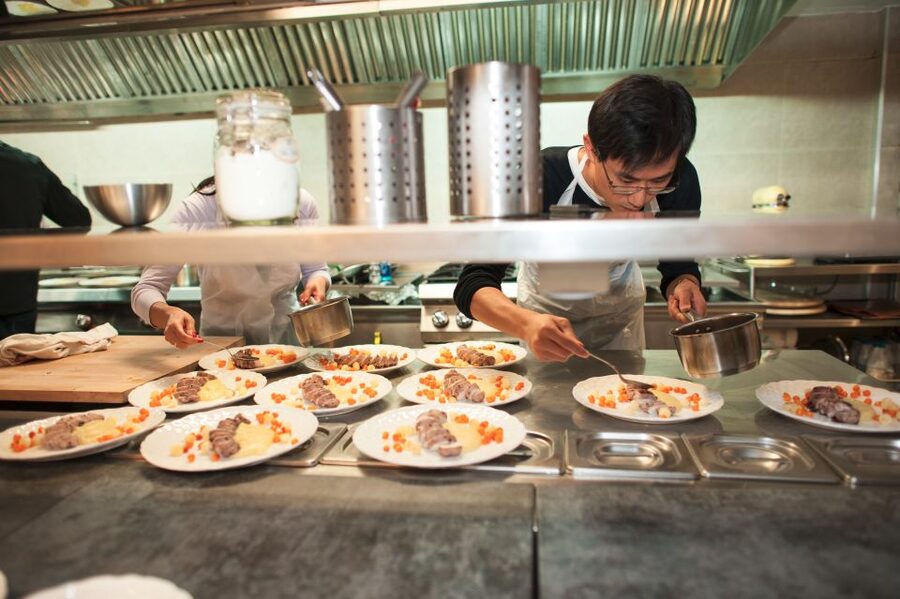
The cooking portion lasts about two hours and covers roughly six to eight techniques. You may work in pairs or small teams, with different stations handling different parts of the meal. That keeps a multi-person class moving, but it also means you may not personally perform every step of every dish.
This is worth knowing if you want a fully individual cooking lesson. In a group, the class has to divide the work. You will get hands-on time, but you may also watch the chef demonstrate a technique or assist with one part of a recipe while another pair handles a second course.
The benefit is a wider menu and a more social pace. You get to see how several parts of a meal fit together rather than spending the entire session on one dish. You also work with other people, which makes the day feel more like a shared meal preparation than a private lesson.
Instructors focus on practical skills that transfer to your own kitchen. Knife technique, sauce work, timing, seasoning, and organization all matter more than flashy tricks. Several participants have found that the class improved their general cooking, not just their French cooking.
The chefs also seem to adjust their teaching to the group. Paulo has been praised for making recipes easy to understand, while Frédéric has been noted for patient instruction and culinary tips. Luke and Luc have also led sessions, with a style that combines demonstration, questions, and humor.
French cooking lessons without the stiff classroom tone
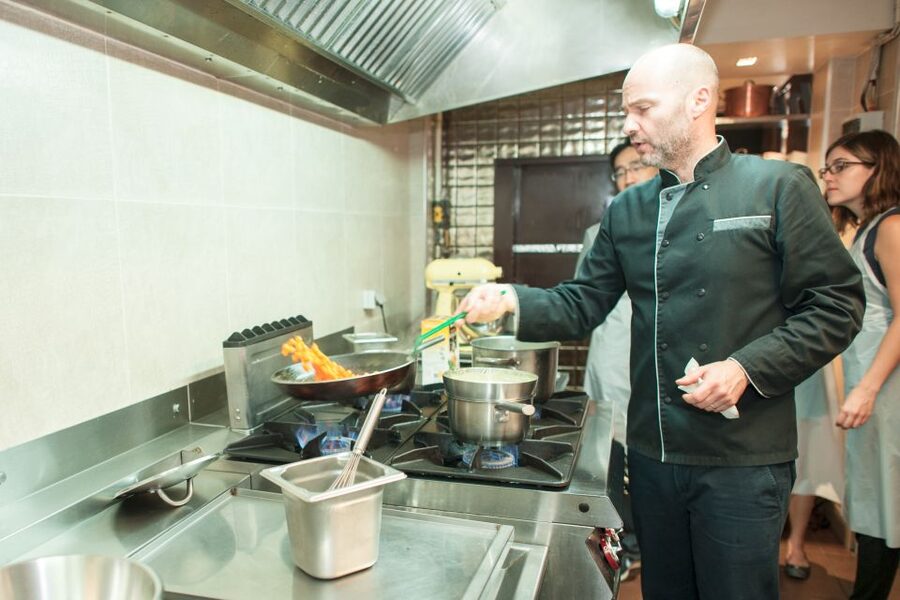
The teaching is in English, and the instructors bring plenty of personality. The class is not presented as a formal lecture on French cuisine. You cook, ask questions, taste, and hear stories as the food comes together.
The culinary background reaches back 2,500 years. That does not mean you sit through a long history lesson. Instead, the stories give context to familiar French habits, ingredients, techniques, and the importance of eating together.
This storytelling is one reason the class works well for people who want more than a recipe handout. Frédéric, Paulo, Luke, and Luc have each been described as funny, engaging, or easy to follow. The tone is convivial, with room for questions and conversation.
The balance will suit most beginners and intermediate home cooks. If you already cook French food often, you may find some of the instruction straightforward. Even then, the organization, sauces, meal timing, and chance to cook in a professional kitchen can make the day worthwhile.
One point to keep in mind is that instructors may explain the cooking process in different ways. One participant found that a clearer preview of the sequence would have helped. If you like to know the full plan before picking up a knife, ask questions early.
A few more Paris half-days worth comparing
- Paris: Louvre Museum Timed-Entrance Ticket
★ 4.6 · 71,977 reviews - Disneyland® Paris 1-Day Ticket
★ 4.6 · 49,412 reviews - Paris: Versailles Palace and Gardens Full Access Ticket
★ 4.6 · 41,579 reviews - Paris: Evening River Cruise with Music
★ 4.4 · 22,721 reviews
Sitting down to the meal you prepared
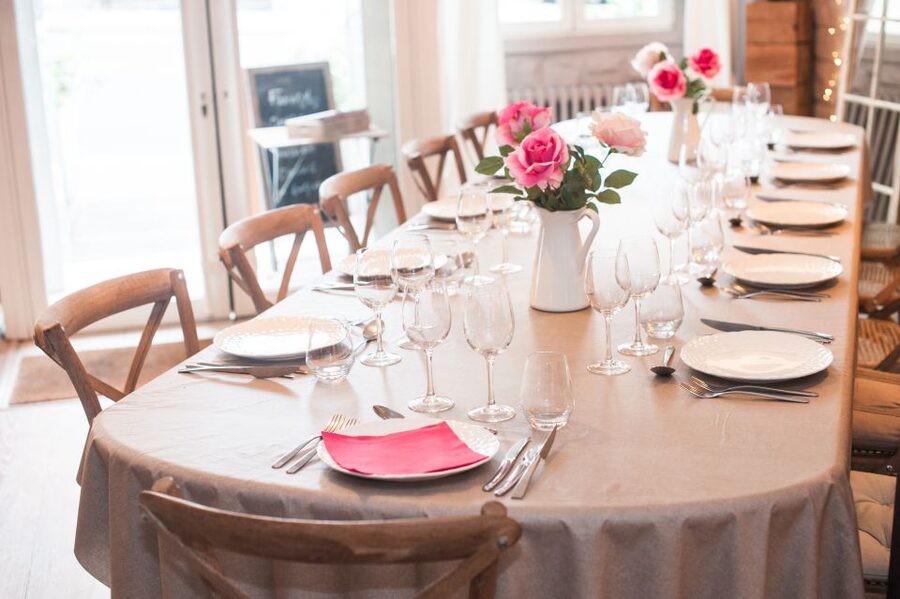
After roughly two hours in the kitchen, you sit down to eat. This change of pace is important. You are not handed a small tasting plate and sent on your way. The cooking class turns into a proper shared lunch.
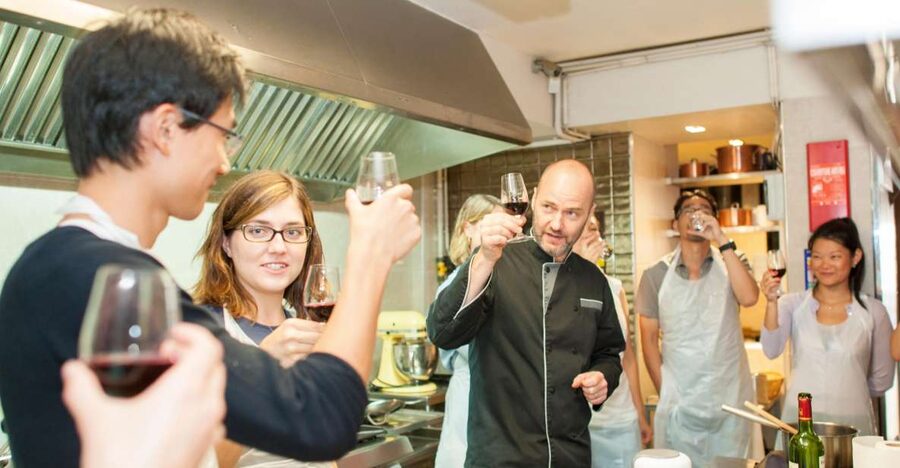
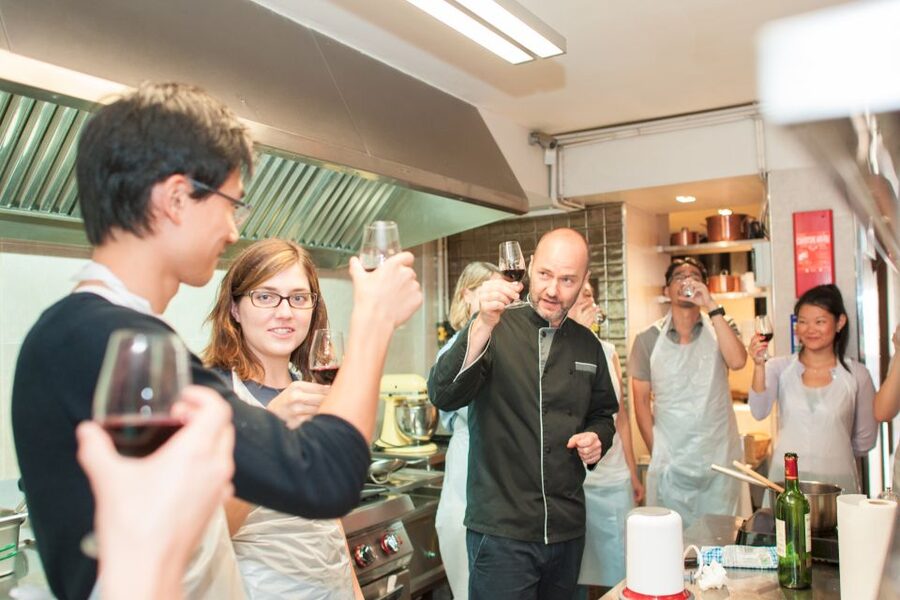
The meal includes three courses, cheese, and red and white wine. The cheese is not an afterthought. It forms part of the French meal pattern, and the generous servings help make the lunch feel complete.
You also get time to talk with the chef and the other participants. The instructors continue sharing stories about food and French culture while you eat. That long table setting is where the social side of the class really comes together.
Wine is included, usually with both red and white options. You should plan the rest of your day with that in mind. The class is intended as a relaxed lunch, not a rushed cooking demonstration, and nobody is expected to leave immediately when the meal ends.
The food has received consistently strong praise, but your enjoyment will depend partly on the day’s menu and your own tastes. The dishes are designed to be practical rather than highly technical restaurant creations. That is good news if you want to repeat them at home.
What you take home besides a full stomach
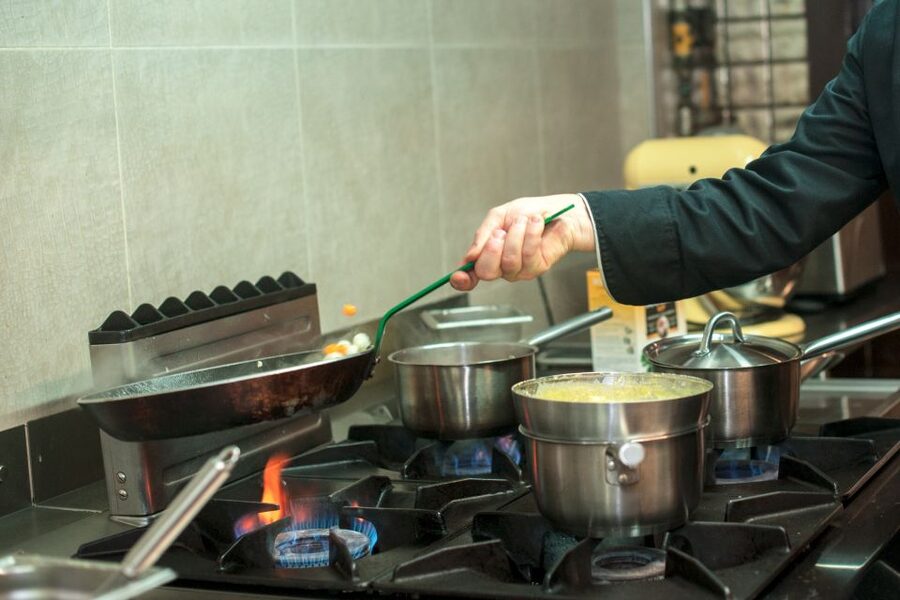
You receive printed recipes and an electronic copy in English. That makes the class more useful after your Paris visit, especially because the recipes are meant to be recreated in a normal home kitchen.
Several dishes are described as practical, fresh, and not too complicated. That is a sensible target for a tourist cooking class. You want a meal that feels distinctly French but does not require rare equipment or an entire professional staff.
You also leave with a better sense of sequence. French cooking can look elaborate because several small preparations come together at the table. Learning what to do first, what can wait, and how to make a sauce or dessert in advance can be more useful than memorizing one recipe.
The recipes are promised both in hard copy and electronically. One participant had to follow up after not receiving the email, so check your inbox after the class and contact Le Foodist if the electronic copy does not arrive.
Group size, age limits, and dietary needs
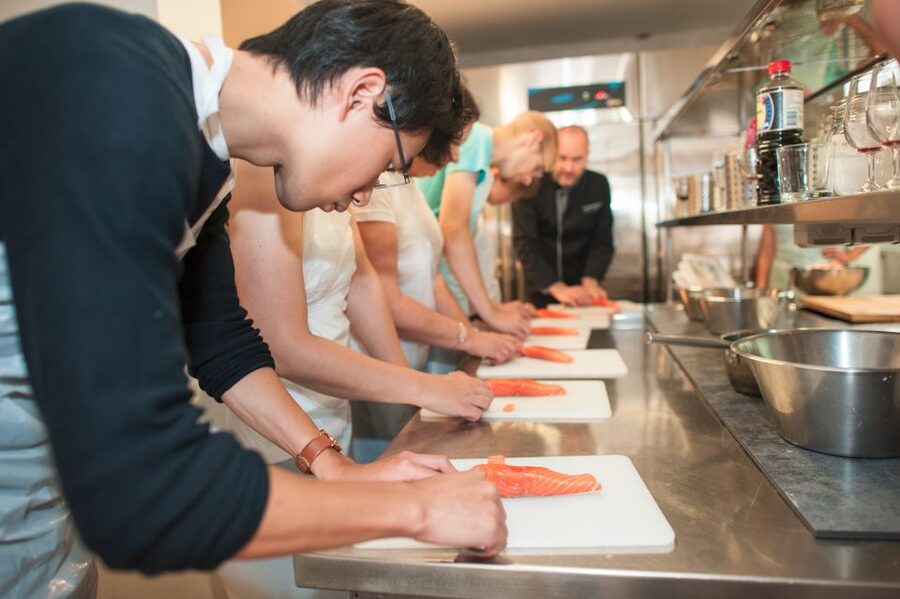
The class is generally described as a small group of three to seven people. Actual sessions can be larger, with past groups of 10 or 12 also mentioned. A larger class may mean more teamwork and less time handling every step yourself, while a smaller class should allow more direct attention from the chef.
That variation is not necessarily a problem, but it is worth considering if personal instruction is your top priority. Couples and solo participants can both fit in, and the shared work often makes it easy to meet other people.
Children under 10 are not permitted. Families with several children should contact the operator in advance to discuss the best arrangement. This is better suited to adults and older children who can follow kitchen instructions and take part in a long lunch.
Tell Le Foodist about dietary restrictions at least 24 hours before the class. Vegetarian needs have been accommodated, and food allergies have also been handled in past sessions, but you should not wait until arrival to explain what you cannot eat.
The class can be social and lively, so it suits people who are comfortable cooking with others. If you want a quiet private lesson or need complete control over the menu, this may not be the right format.
Is $222 a fair price?
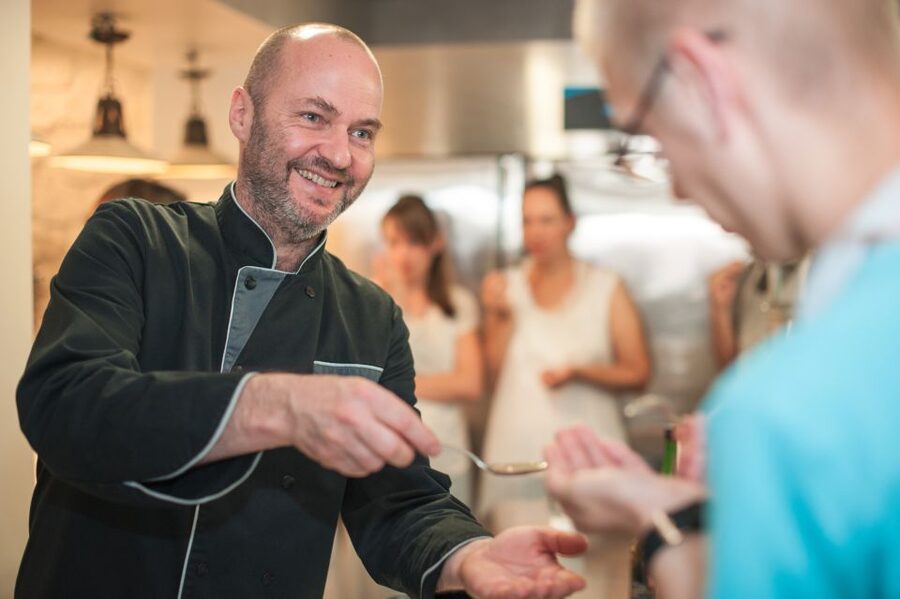
At $222 per person, this is one of the more expensive food activities you can book in Paris. The value depends on what you want from the day.
You are paying for about five hours, English instruction, kitchen use, an apron, a three-course meal, cheese, red and white wine, recipes, and a chef-led cultural program. You also avoid the uncertainty of ordering several dishes in a restaurant without knowing how they were made.
The cost makes more sense for you if you value instruction and a relaxed social meal. It is less compelling if you only want to eat French food. A good Paris restaurant lunch will usually cost less, and you will not have to spend two hours preparing it.
I would also compare this class with your own cooking level. Beginners gain the most from learning how to organize a meal and handle classic techniques. Experienced cooks may not learn something new at every station, but can still enjoy the menu, wine, setting, and chef’s explanations.
The activity has free cancellation up to 24 hours ahead, and you can reserve without paying immediately. The operator may cancel if two or fewer people have booked, offering another date or a full refund. That is useful flexibility, though it means your plans should allow for a possible change.
Who should book this Paris cooking class?
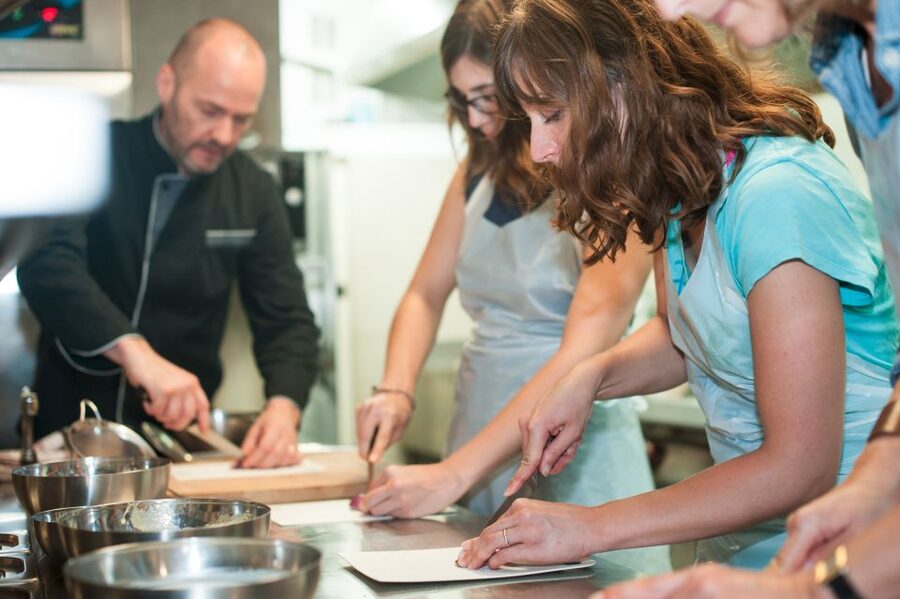
I would recommend it to couples, solo visitors, food-minded families with children over 10, and anyone who wants a structured day away from museums and monuments. It is especially good for you if you like meeting people and want practical recipes rather than a passive food tour.
It also suits first-time French cooks. You get a clear introduction to classic methods, but the tone remains social and approachable. The meal gives you a satisfying payoff after the work, and the recipes help carry the experience home.
You may want to skip it if your Paris schedule is tightly packed. Five hours is a large block of time, and lunch may run beyond the stated finish because the hosts do not rush people out.
You should also think twice if $222 feels high for a cooking lesson or if you need a private, highly advanced class. The teaching is practical and enjoyable, but it is not presented as specialist training for professional chefs.
Should you book it?
Book this class if you want to learn how a French meal comes together, not merely taste one. The market-led menu, hands-on work, wine and cheese, and lively English-speaking instructors make it a full cultural outing as well as a cooking lesson.
I would book it early in a Paris stay if you want to use the recipes during the rest of your trip or return to the Rue Mouffetard area afterward. Go in ready to share tasks, ask questions, and accept that the exact menu and group size may vary. For a food-loving visitor, the combination of instruction and a long communal lunch makes the price easier to justify.
FAQ
Where does the cooking class take place?
The class takes place at Le Foodist, 59 rue Cardinal Lemoine, 75005 Paris, in the Latin Quarter.
How long does the activity last?
The stated duration is five hours. The class normally begins at 10:30, and lunch typically finishes around 15:00.
What language is used during the class?
The class is conducted in English by the host or greeter and the cooking instructor.
What food and drink are included?
You prepare and eat a three-course meal, with cheese and both red and white wine included.
Are recipes provided after the class?
Yes. You receive a hard copy and an electronic copy of the recipes in English.
Are cooking equipment and aprons provided?
Yes. The class includes use of the cooking equipment and an apron.
Can children attend?
Children under 10 are not permitted to take the cooking class. Families with multiple children should contact Le Foodist in advance about the best option.
Can dietary restrictions be accommodated?
You should provide details of dietary restrictions at least 24 hours before the class. Vegetarian requests and food allergies have been accommodated in past sessions.
What happens if the class is canceled?
The local supplier can cancel if only two people or fewer have signed up. You will be offered another date or a full refund. You can also cancel up to 24 hours in advance for a full refund.
Just added around Paris
- Paris at the First Lodges – Ducasse sur Seine dinner cruise★ 4.0 · 165 reviews
- Paris at the First Lodges – Ducasse sur Seine Lunch Cruise★ 4.5 · 70 reviews
- Disneyland® Paris 1 Day with Round-Trip Train Tickets from Paris★ 4.0 · 50 reviews
- Explore speakeasies and hidden bars, sip meet & socialize★ 4.5 · 47 reviews
- Disneyland® Paris Express Shuttle with Admission Ticket from Central Paris★ 3.5 · 172 reviews
- Paris Cheeses and Wines Tour de France with Tasty Games★ 5.0 · 32 reviews
- Musée Orsay Highlights Tour – Best of Impressionism & Hidden Gems★ 5.0 · 27 reviews
- Private Tour: Discover Paris with Local, 3 hours on a Segway★ 5.0 · 71 reviews
Cooking Classes, compared.
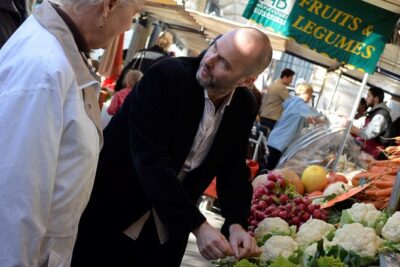
Paris Cooking Class and Lunch with Wine plus Market Visit Option
Read our review →
Paris Croissant Small-Group Baking Class with a Chef
Read our review →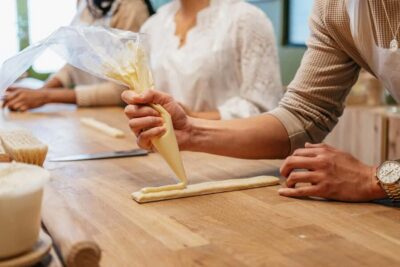
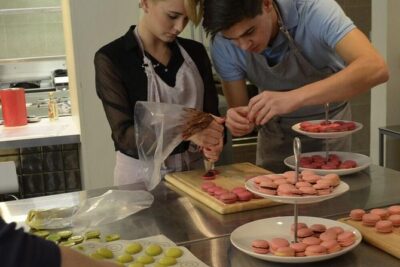
Paris Cooking Class: Learn How to Make Macarons
Read our review →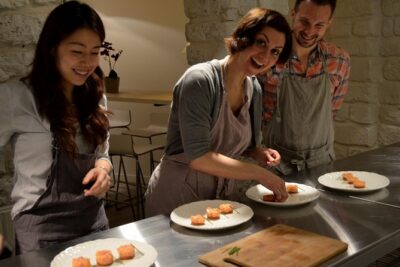
Paris Evening Cooking Class French Dinner and Market Visit Option
Read our review →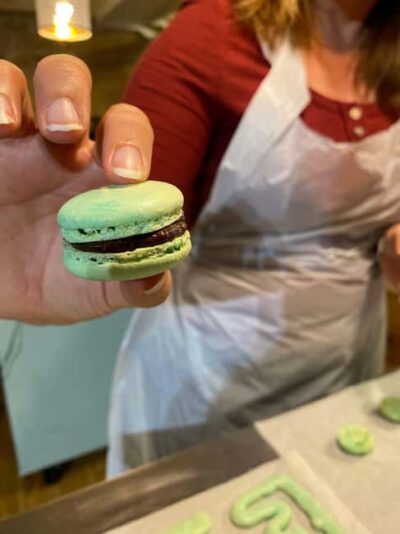
Viator Exclusive: Local Cooking Class & Dinner with View of Nice
Read our review →
Browse the lists this tour appears in