
Reviewed · COOKING CLASSES
Paris: Macaron Baking Class in Central Paris
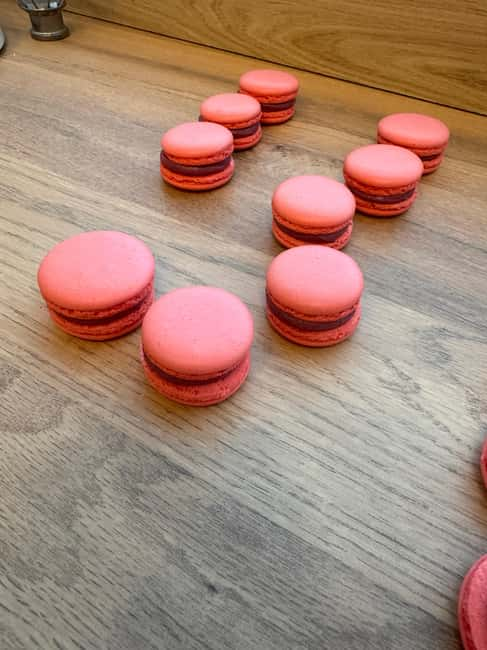
French macarons look simple, but their crisp shells, soft centers, and neat little feet depend on exact technique. This 150-minute class at Studio Pâtisserie shows you why the details matter, then lets you make the shells and fillings yourself under the guidance of Chef Leo or Maria.
I like the small group of up to 10, which gives you room to work and ask questions. I also like that you leave with both a recipe and your own macarons, rather than just watching a demonstration. The main catch is that macarons contain nuts, so this is not suitable for anyone with a nut allergy, vegans, or children under 12.
Key points at a glance
- Chef Leo and Maria teach in English, with clear demonstrations and plenty of help at each stage.
- You make the macarons from start to finish, including mixing, piping, baking, and filling.
- The class explains the science behind the pastry, including the small errors that can spoil a batch.
- Groups are capped at 10 people, with past sessions often running at around eight or nine.
- You taste the finished macarons and take home the recipe, plus your handmade treats.
- The grey storefront is on the main road, so look for that detail when finding Studio Pâtisserie.
Making macarons in the heart of Paris
A macaron class is a fine break from museums and monuments. You get a practical look at French pastry, not just another box of sweets from a shop. The class takes place at Studio Pâtisserie, in central Paris, where the setting is built for hands-on baking rather than a large cooking demonstration.
The front is described as grey and located on the main road. That is the useful arrival clue, since the meeting point is not given as a famous landmark. Allow yourself enough time to find the storefront without rushing. You will want to arrive ready to settle in, meet the other bakers, and put on comfortable shoes and clothes.
The class is taught in English. Chef Leo is the instructor most often named in the feedback, while Maria also receives warm praise for her clear directions, humor, and patient teaching. One session was led by Chef Leoniel, so the exact instructor may vary. The teaching style is friendly and active, with an emphasis on showing you what to do rather than leaving you to guess.
More cooking classes in Paris:
- Paris Cooking Class and Lunch with Wine plus Market Visit Option
★ 5.0 · 1,024 reviews - Paris Croissant Small-Group Baking Class with a Chef
★ 5.0 · 910 reviews - Paris: French Croissant Baking Class with a Chef
★ 4.9 · 712 reviews
The first lesson: why macarons are tricky
The class begins with an introduction to the history and artistry of macarons. This part gives context to the pastry before you start weighing ingredients and handling equipment. You learn about the ingredients and the role each one plays in the final shell and filling.
The useful part is the focus on cause and effect. Macarons are not difficult because the ingredient list is long. They are difficult because small changes in mixing, piping, baking, or the surrounding weather can affect the result. Chef Leo has also explained how home bakers may need to adjust their method for the climate in their own country.
That practical advice is worth more than a recipe alone. A formula that works in Paris may need a little care in a different kitchen. You learn what to watch for, which gives you a better chance of making a second batch at home.
This is also where the class earns its price. You are not simply copying steps from a printed card. You are learning why the steps matter, which helps when something goes wrong later.
Mixing the shells, with help at every stage
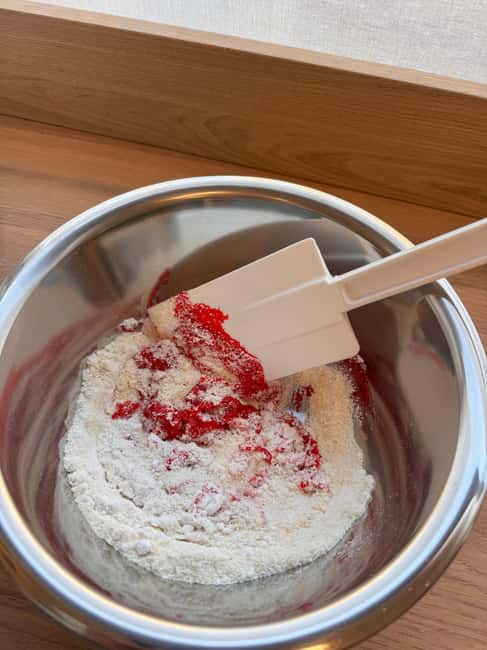
The hands-on portion begins with the macaron shells. Ingredients and tools are prepared for the class, so you can focus on the technique instead of spending much of the session measuring and organizing. This keeps the pace moving during a short two-and-a-half-hour class.
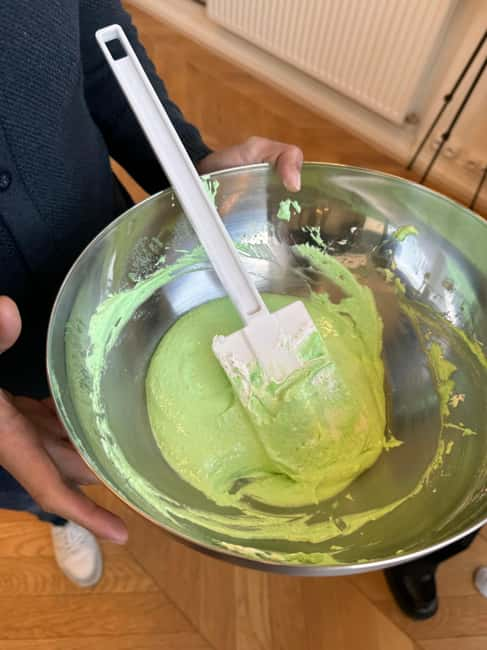
You work through the mixture with the instructor nearby. The key lesson is how to combine the ingredients to get the right texture. Several people found the instructions clear enough to follow even when making macarons for the first time, but you still need to pay attention. This is not a class where you can wander in late and pick up the method by watching from the side.
The instructor demonstrates the process and checks that everyone is following along. That matters because piping and mixing are hands-on skills. You need to see the movement, try it yourself, and correct it while the mixture is still in front of you.
I would especially value this section if you have tried macarons at home and ended up with shells that spread, cracked, or lacked the right texture. The class addresses common mistakes and gives you a chance to practice with an expert watching.
Piping, baking, and the small details that matter
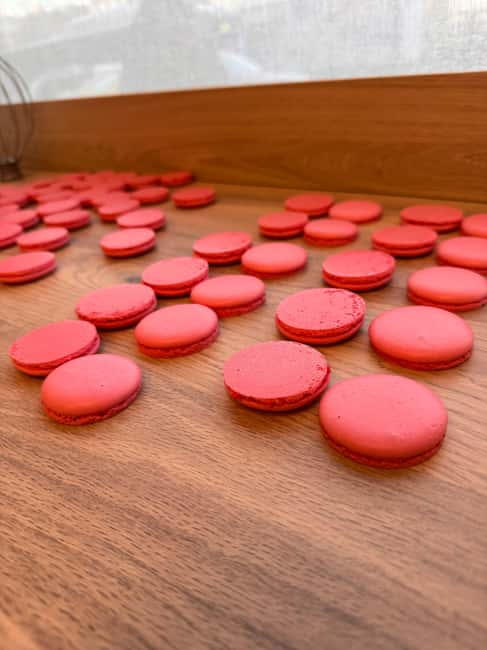
Piping the shells is one of the most satisfying parts of the class. It is also where uneven pressure or inconsistent size can show up quickly. You get to pipe your own shells and work toward the smooth, even shapes associated with a good macaron.
The instructor helps you understand the technique instead of simply fixing the mixture for you. That distinction matters. You may not produce a bakery-perfect row on your first attempt, but you leave with a much clearer idea of how to improve.
The baking stage gives you time to see how the shells change in the oven. Some sessions include a drink while the macarons bake, giving the group a chance to chat and wait. The studio has been described as clean, organized, and well prepared, which makes the practical work more pleasant.
The class is scheduled for 150 minutes, and one useful advantage is that the session is designed to finish on time. Still, baking involves waiting, so the rhythm is not constant action from the first minute to the last. You will spend part of the experience listening, watching, and checking the results.
More pastry and chocolate tours in Paris:
- Paris: Day or Sunset Cruise with Drink, Ice Cream or Dessert
★ 4.4 · 4,225 reviews - Paris: Montmartre Cheese, Wine & Pastry Guided Walking Tour
★ 4.8 · 2,255 reviews - Award-Winning Paris French Bakery Experience — Le Marais, 4th Arr
★ 4.5 · 1,186 reviews - Paris: Entrance Ticket to the Chocolate Museum
★ 4.1 · 1,105 reviews
Fillings, flavors, and the finished batch
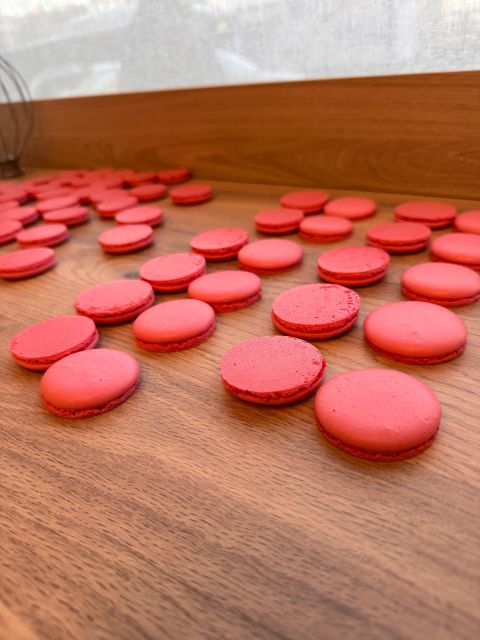
Once the shells are ready, you work with the fillings and assemble the macarons. This is the moment when the pastry starts to look like the treat you recognize from French bakeries. You learn how the shell and filling should come together to create the proper bite.
The flavor selection may be set by the class rather than chosen individually. One session used chocolate, black currant, and passionfruit. That combination gives you something more interesting than a basic vanilla lesson, but it may not suit every taste.
If you prefer pistachio, vanilla, or lemon, you may want to ask about the flavors before booking. One participant would have preferred more familiar choices and ended up with extra chocolate macarons after not wanting to swap flavors. This is a minor issue for most people, but it is useful to know if flavor choice matters to you.
The finished macarons are yours to taste. Reports from the class describe batches that turned out well, with several people taking home around 15 macarons each. The exact quantity may depend on the session and the size of the batch, so treat that number as a useful guide rather than a promise.
Tasting your own work in Paris
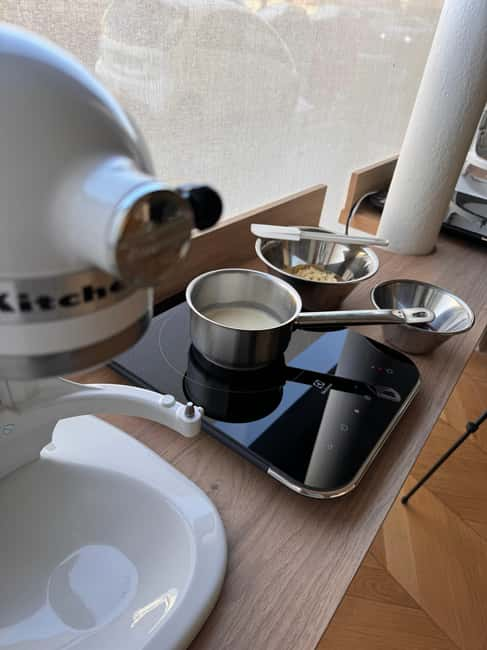
The tasting is more than a sweet ending. It lets you judge the texture and flavor while the process is still fresh in your mind. You can connect the final bite to the mixing, piping, baking, and filling choices you just made.
That sense of accomplishment is a real part of the experience. Macarons are the kind of pastry that can look effortless in a shop window, then demand concentration once you make them yourself. Eating a good result after working through the method makes the lesson memorable.
You also leave with something practical. The recipe gives you a way to repeat the class at home, and some instructors add advice for adapting the method to local weather. Chef Leo has also shared Paris food recommendations with people in the class, which can be useful if you schedule this activity early in your stay.
I would book it near the beginning of a Paris visit if you enjoy food planning. You may pick up restaurant and bakery suggestions that help shape the rest of your trip. If you only want a quick tasting, this class is more time and effort than you need.
What the group size means for your experience
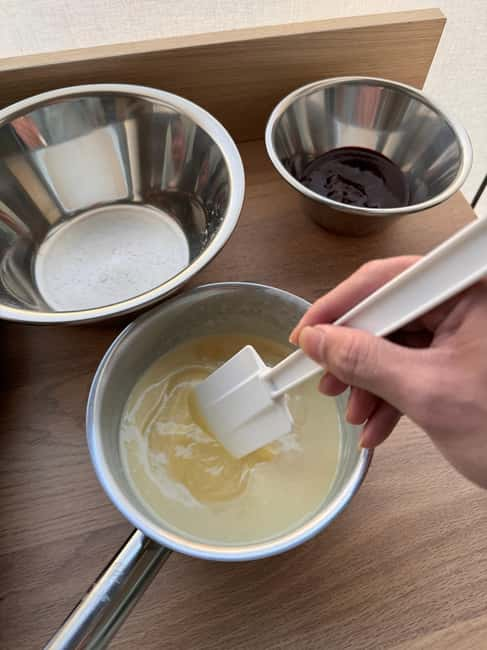
The official maximum is 10 people. Past sessions described in the feedback had eight or nine participants, a size that gives the activity a social feel without turning it into a crowded demonstration.
You work at your own station and have room to handle the ingredients and tools. A small group also makes it easier to ask about problems, compare results, and get a quick correction from the instructor.
This format suits solo visitors as well as couples and families with older children. One solo participant enjoyed joining a group of nine, while several families attended together. Children must be at least 12, and the class is not suitable for younger children.
If you want a quiet private lesson, this is not that. You will share the room and the work with other participants. For most people, that adds to the fun, but it does mean the pace and conversation depend partly on the group.
Is $122 a fair price?
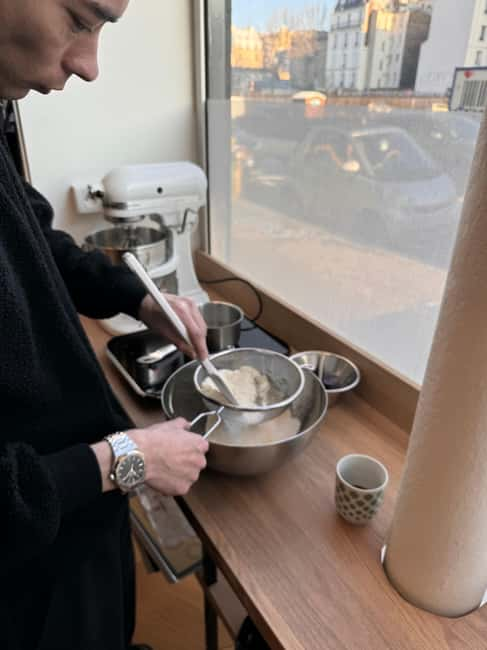
At $122 per person, this is not the cheapest way to eat macarons in Paris. You can buy a box from a pastry shop for much less. The value comes from the instruction, the equipment, the ingredients, the tasting, and the chance to take your own batch home.
I would consider the price fair if you want a real activity rather than a food purchase. The class gives you a skill you can use again, and the recipe is included. The take-home macarons also make the experience tangible, especially when you are booking this as a couple or family activity.
The value is stronger for beginners. If you already make macarons often, you may find the class too basic unless you want to compare methods or enjoy a Paris food experience. For a first attempt, having someone explain the tricky parts and correct your technique can save many failed home batches.
The small group helps justify the cost. You are not one face in a large room watching a chef work at a distance. You get to handle the mixture and ask for help. That is the central benefit.
Who should book this class?
This activity is a good match for:
- Couples looking for a shared Paris experience beyond sightseeing
- Families with children aged 12 or older
- Solo visitors who enjoy meeting people through food
- Beginners who want a clear introduction to macaron making
- Home bakers who want help with piping, texture, and troubleshooting
- People who value a recipe and edible souvenirs more than a standard pastry tasting
You should think twice if you have a nut allergy, follow a vegan diet, or are bringing children under 12. The class is specifically not suitable for those groups.
You should also check the flavor plan if you are selective about fillings. Chocolate, black currant, and passionfruit have been used, and the flavors may not be individually chosen.
Practical details before you go
Wear comfortable clothes and shoes. You will be standing and working around a baking station for much of the class, so this is not the time for restrictive clothing or uncomfortable footwear.
The instruction is in English. The group is limited to 10, and the session lasts 150 minutes. Look for the grey-colored storefront on the main road when you arrive.
You can cancel up to 24 hours before the class for a full refund, and the reserve-now, pay-later option lets you hold a place without paying immediately. Starting times vary, so check availability for the date you want.
The class is offered by Studio Pâtisserie. Its clean, well-organized studio and ready-to-use setup help keep the lesson focused on baking. You will not need to bring baking tools or ingredients, but bring your attention. The method rewards careful listening.
Should you book the Studio Pâtisserie macaron class?
Yes, if you want a hands-on food activity and like the idea of taking a French pastry skill home with you. Chef Leo and Maria have a warm, patient teaching style, and the small group gives you a fair chance to practice instead of simply watching.
I would book this for a couple, a family with older children, or a solo visitor who wants a social activity with a clear result. The strongest reasons are the practical instruction, the clean studio, the recipe, and the chance to make a substantial batch of macarons.
Skip it if you only want to taste pastries, need vegan or nut-free food, or dislike fixed flavors. For everyone else, $122 buys more than dessert. It buys a focused Paris memory, a useful baking lesson, and the possibility of surprising your family with homemade macarons later.
FAQ
Where does the macaron class take place?
The class takes place at Studio Pâtisserie in central Paris. Look for a grey-colored storefront on the main road.
How long does the class last?
The class lasts 150 minutes, or two and a half hours.
What language is the class taught in?
The class is taught in English.
How many people can join the class?
The small group is limited to 10 participants.
Are children allowed to attend?
Children under 12 are not permitted. Children aged 12 and older may attend.
Is the class suitable for vegans or people with nut allergies?
No. The class is not suitable for vegans or people with nut allergies.
What is included in the price?
The price includes the instructor, baking class, tasting, and a recipe to take home. You also make macarons during the session and can take your creations home.
Can I cancel my booking?
Yes. You can cancel up to 24 hours in advance for a full refund. You can also reserve now and pay later.
Just added around Paris
- Paris at the First Lodges – Ducasse sur Seine dinner cruise★ 4.0 · 165 reviews
- Paris at the First Lodges – Ducasse sur Seine Lunch Cruise★ 4.5 · 70 reviews
- Disneyland® Paris 1 Day with Round-Trip Train Tickets from Paris★ 4.0 · 50 reviews
- Disneyland® Paris Express Shuttle with Admission Ticket from Central Paris★ 3.5 · 172 reviews
- Explore speakeasies and hidden bars, sip meet & socialize★ 4.5 · 47 reviews
- Paris Cheeses and Wines Tour de France with Tasty Games★ 5.0 · 32 reviews
- Musée Orsay Highlights Tour – Best of Impressionism & Hidden Gems★ 5.0 · 27 reviews
- Private Tour: Discover Paris with Local, 3 hours on a Segway★ 5.0 · 71 reviews
Cooking Classes, compared.
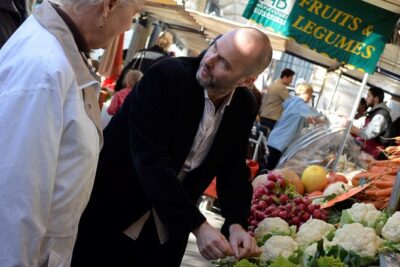
Paris Cooking Class and Lunch with Wine plus Market Visit Option
Read our review →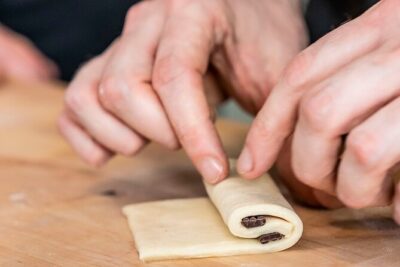
Paris Croissant Small-Group Baking Class with a Chef
Read our review →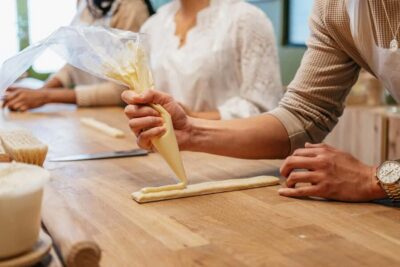
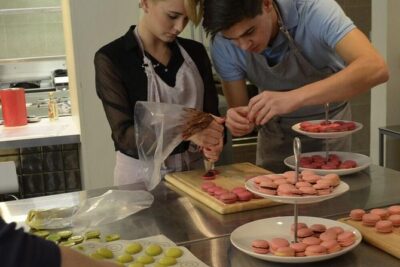
Paris Cooking Class: Learn How to Make Macarons
Read our review →
Paris Evening Cooking Class French Dinner and Market Visit Option
Read our review →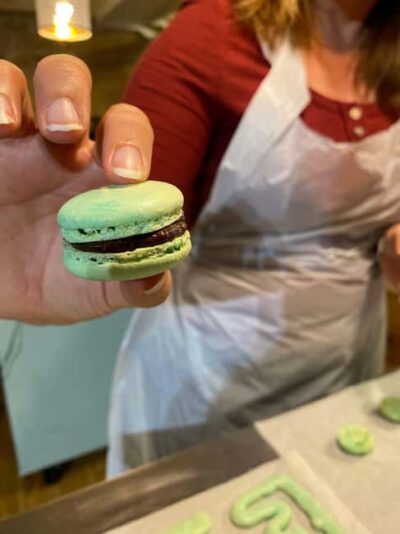
Viator Exclusive: Local Cooking Class & Dinner with View of Nice
Read our review →
Browse the lists this tour appears in