
Reviewed · COOKING CLASSES
Paris: Croissant Baking Class with a Chef
Paris does not get much more delicious than learning to make croissants in a real pastry kitchen, then eating them warm from the oven. At Studio Pâtisserie, Chef Léo or Maria walks you through the full process, from mixing and kneading to folding, shaping, proofing, and baking.
I like the small class size, capped at eight, because pastry work needs close attention. I also like the useful mix of hands-on work and explanation, including butter quality, dough temperature, proofing, and the reason behind each fold.
The one catch is physical: rolling laminated dough takes arm strength, and the three-hour class includes waiting while the dough rests and rises. You need patience, comfortable clothes, and room in your day for a slow, careful process.
Key points to know before booking
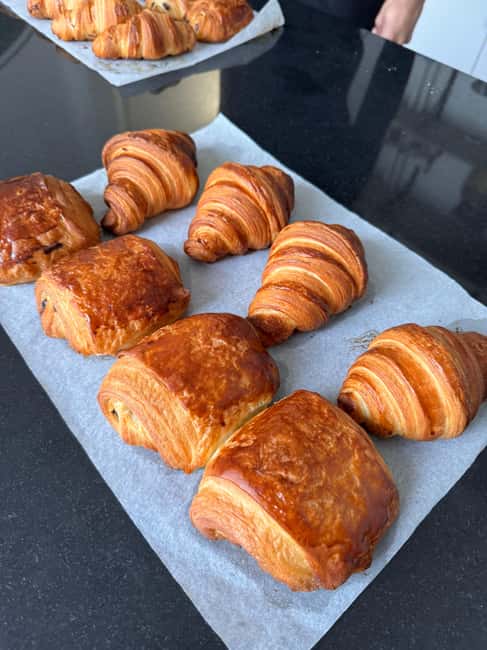
- You make a generous batch: Each person can make four butter croissants and four pain au chocolat, giving you plenty to eat and take away.
- Chef Léo and Maria teach the class: Both are praised for clear instruction, humor, patience, and individual help.
- The class is genuinely hands-on: You roll, cut, fold, shape, and bake rather than simply watch a demonstration.
- The science matters: You learn why butter quality, folding, resting, and proofing affect the final pastry.
- The group stays small: A maximum of eight makes it easier to ask questions and get help with tricky dough.
- Bi-color sessions add flair: On selected days, you can learn to work colored dough into the croissant design.
What the three-hour Paris pastry class is really like
The class takes place at Studio Pâtisserie, a building with a gray storefront. It is in the 17th arrondissement area, near Metro Line 2 at Rome and Metro Line 3 at Villiers. The location is easy to reach by public transport, but give yourself a few extra minutes to spot the correct entrance.
You gather around a professional kitchen workstation with the ingredients and tools ready to go. The English-language instruction keeps the class accessible, even if your baking vocabulary is limited. Chef Léo and Chef Maria both bring an upbeat teaching style, but the real strength is their attention to each person’s dough.
This is not a watch-and-copy class where the chef does all the difficult work. You take part at each stage. That matters because croissant dough can look simple in a recipe and behave quite differently under your hands.
More cooking classes in Paris:
- Paris Cooking Class and Lunch with Wine plus Market Visit Option
★ 5.0 · 1,024 reviews - Paris Croissant Small-Group Baking Class with a Chef
★ 5.0 · 910 reviews - Paris: French Croissant Baking Class with a Chef
★ 4.9 · 712 reviews
Mixing, kneading, and learning why dough behaves badly
The early work begins with the dough. You learn how the ingredients come together and why handling matters. Kneading takes effort, so this is the point where you discover that croissant baking is not only about delicate pastries and pretty photographs.
You should expect to use your arms when rolling and working the dough. The physical demand is manageable for most adults, but it is worth knowing before you book. This is one reason the activity is not suitable for children under 15, and anyone under 17 must attend with a paying adult.
The chef explains the purpose behind each step instead of handing you a recipe and sending you on your way. That makes the class more useful at home, since you learn what to watch for when the dough feels too firm, too soft, or difficult to roll.
Butter, folds, and the work behind flaky layers
The signature croissant texture comes from layers of dough and butter. The folding stage is where the class becomes both technical and satisfying. You work through the folds that create thin layers, with the chef checking your technique and correcting problems before they grow.
Butter quality gets special attention. The point is not simply to use butter, but to understand how its texture and handling affect the finished pastry. If the butter is too hard, too soft, or poorly spread, the layers suffer.
You also learn why the dough must rest between stages. The pauses can make the class feel broken up, but they are part of the craft, not dead time. The dough needs time to relax and develop, and the class uses those breaks to explain what is happening.
This is a useful contrast with a quick home recipe. You leave with a better sense of why croissants take time and why rushing the process can produce dense, greasy, or uneven results.
Shaping eight pastries per person
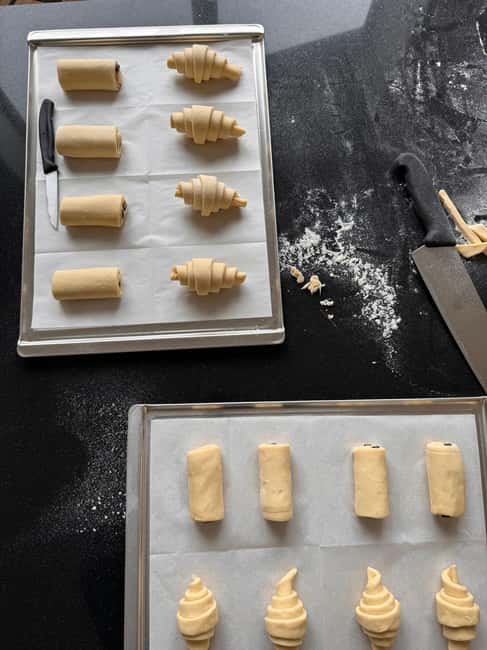
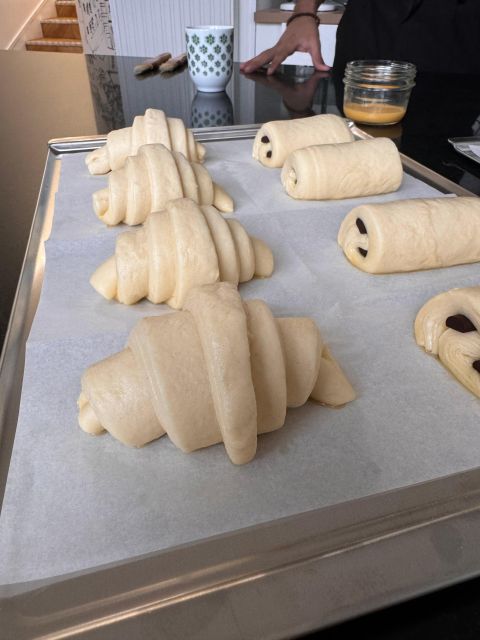
Once the dough is ready, you cut it into triangles and shape the pieces into crescents. This sounds easy until you try to roll each triangle tightly and evenly. The chef watches the work closely, helping you create a clean shape without crushing the layers.
The batch is generous. A common format is four butter croissants and four pain au chocolat per person. That means you get to practice more than one shape and flavor, and you will likely have pastries left to take back to your hotel.
The quantity also changes the value calculation. At $140 per person, you are not paying only for breakfast. You are paying for three hours of instruction, ingredients, kitchen equipment, personal help, a recipe, and a large box or bag of pastries to enjoy later. If you only want to eat a croissant, a bakery is cheaper. If you want a skill and a memorable activity, the price makes more sense.
Bring a plan for your finished pastries. Several people have found it difficult to eat all eight on the spot, especially when the pastries are served warm. Sharing them with your travel companions or saving some for later is part of the fun.
More pastry and chocolate tours in Paris:
- Paris: Day or Sunset Cruise with Drink, Ice Cream or Dessert
★ 4.4 · 4,225 reviews - Paris: Montmartre Cheese, Wine & Pastry Guided Walking Tour
★ 4.8 · 2,255 reviews - Award-Winning Paris French Bakery Experience — Le Marais, 4th Arr
★ 4.5 · 1,186 reviews - Paris: Entrance Ticket to the Chocolate Museum
★ 4.1 · 1,105 reviews
Proofing and the lesson most home bakers skip
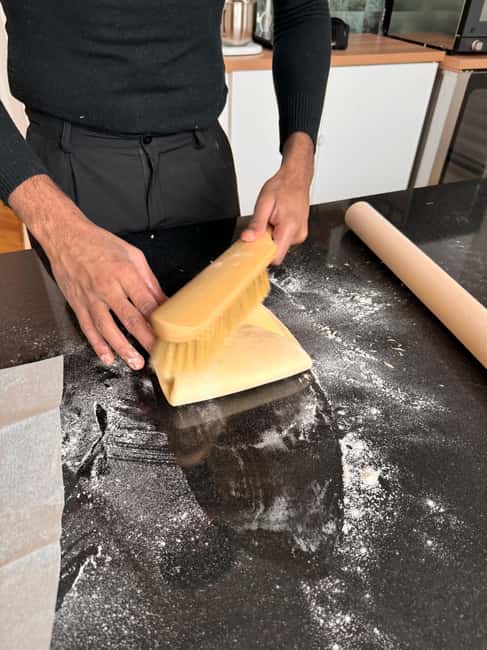
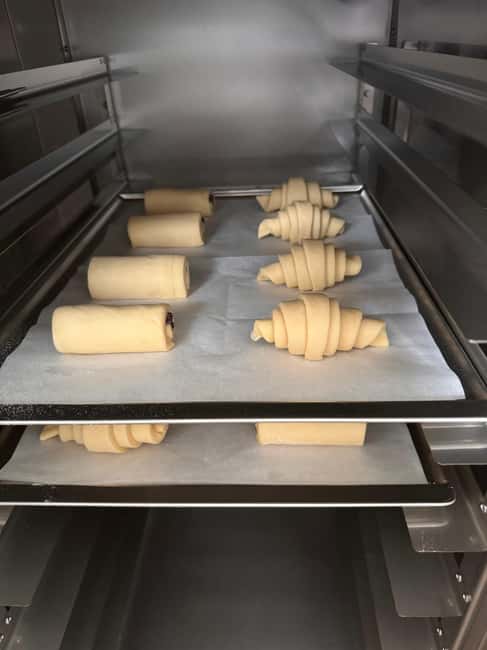
After shaping, the croissants need to proof. This is when the dough expands and the layers prepare for the oven. The timing and conditions matter, and the chef explains what a properly proofed pastry should look and feel like.
This stage is valuable because it teaches restraint. The dough may look ready before it really is, but putting it in the oven too soon can limit the rise and leave the interior heavy.
You also get a better feel for the difference between a neat-looking croissant and a well-made one. Shape matters, but so do lift, separation between layers, color, and texture. The instruction connects those results to the work you did earlier.
The best part, fresh croissants from your own hands
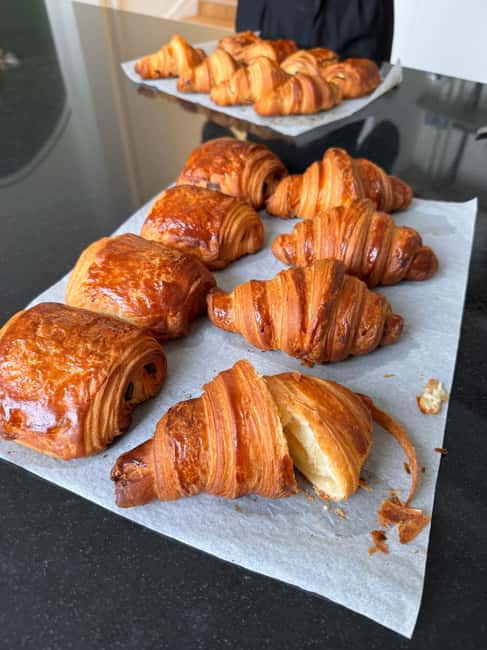
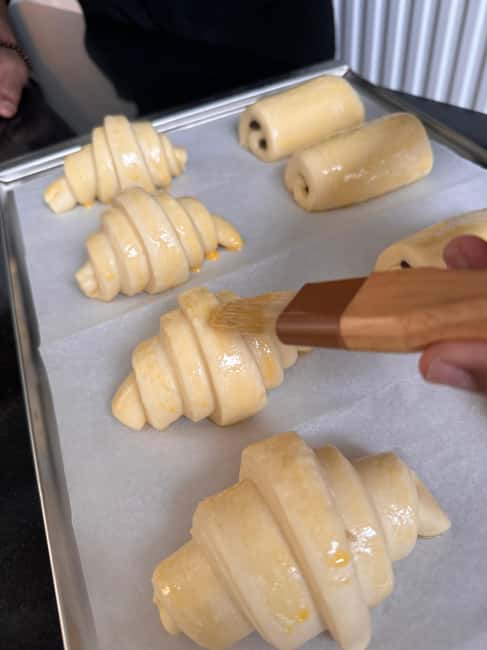
The payoff comes when the pastries bake. You sample the warm croissants made during the class, often with a beverage at the end. The fresh-from-the-oven moment is more satisfying because you know how much rolling, folding, and waiting went into it.
The class can produce pastries that look surprisingly polished, even for beginners. That is not because the process is effortless. It is because the chef gives corrections at the right moments and makes the method easy to follow.
You also leave with your remaining croissants and pain au chocolat. Several participants have taken six or more back to their accommodation after eating one during the session. Pack carefully, since laminated pastries are at their best soon after baking.
Chef Léo, Chef Maria, and the tone of the class
The instructors are a major part of the experience. Chef Léo is described as energetic, funny, patient, and generous with practical tips. He also shares pastry experience and Paris food suggestions when questions come up.
Chef Maria brings the same useful combination of precision and warmth. Her humor keeps the mood relaxed, while her close attention helps beginners understand not only what to do, but why they are doing it.
That balance matters. Croissant-making can become stressful when the dough resists or a fold goes wrong. A relaxed teacher helps you keep working instead of treating every mistake as a disaster.
The small format supports this style. With no more than eight participants, you are not lost at the back of a demonstration. You can ask for help, show the chef your dough, and get an answer while the problem is still easy to fix.
Bi-color croissants on selected dates
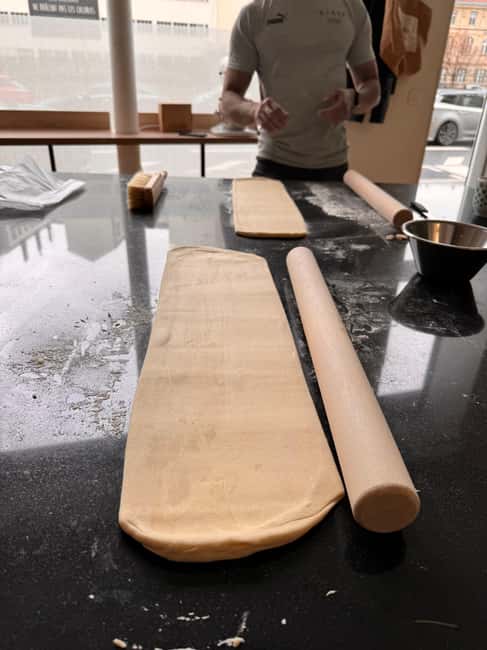
Some sessions offer a bi-color croissant class as an added option. You learn how to incorporate colored dough into the pastry, creating a more decorative result without abandoning the basic laminated structure.
This option is aimed at people who want a visual twist, but you do not need to be an advanced baker to appreciate it. Still, check the exact option available on your chosen date, since the bi-color class is not included in every session.
For a first visit, the regular croissant and pain au chocolat format offers the clearest introduction to the basic method. If you have already made croissants at home, the colored dough option gives you an extra project and a reason to return.
Who will enjoy this class most
This suits food-focused visitors, home bakers, couples, families with older children, and anyone who wants a break from museums and monuments. It also works well on a rainy morning, when three hours indoors with warm pastry is a sensible Paris plan.
You do not need prior baking experience. Beginners receive step-by-step guidance, while experienced home bakers can focus on details such as dough texture, butter handling, proofing, and shaping.
The activity is especially good for:
- Couples who want a shared activity beyond sightseeing
- Parents and teenagers who enjoy making food together
- Home bakers who want better croissant technique
- Food lovers looking for a hands-on Paris memory
- Small groups that prefer personal instruction
It is less suitable if you want a quick demonstration, dislike physical kitchen work, or have no time to carry pastries away afterward.
Is $140 a fair price?
At first glance, $140 is a serious price for a three-hour baking class. The value improves when you count the full package: expert instruction, ingredients, professional equipment, a recipe, up to eight pastries per person, and a small class where you receive direct help.
The lesson is also more useful than a one-off cooking demonstration. You learn a method you can try again at home, along with the reasons behind the method. That makes the activity a good choice for someone who will actually bake again.
The value is weaker if you judge the experience only by food quantity. You can buy excellent croissants in Paris for far less. Book this for the instruction, the personal achievement, and the chance to spend a morning making something with your own hands.
Free cancellation up to 24 hours before the start adds some flexibility, and the reserve-now, pay-later option can help if your Paris plans are still shifting.
Practical tips for a smoother class
Wear comfortable clothing and arrive ready to work with your hands. Rolling the dough requires strength, and you may spend much of the session standing at the workstation.
Do not schedule a major timed attraction immediately afterward. The class lasts three hours, and the dough needs resting and proofing time. The pauses are necessary, but the finish time still deserves some breathing room.
Use the chef’s explanations as your guide rather than relying only on the take-home recipe. The recipe helps you repeat the process, but the small clues about texture, timing, butter, and proofing are what make it more useful.
If you want photos, ask during the session. Chef Léo has taken photos and videos for participants in the past, but the supplied information does not promise this at every class.
Should you book the Studio Pâtisserie class?
Book it if you want a hands-on Paris activity with a real result at the end. The strongest reasons are the small group, clear English instruction, patient chefs, and the unusually generous batch of croissants and pain au chocolat.
Skip it if you want a cheap breakfast or a passive demonstration. You will knead, roll, fold, wait, shape, and clean up your own work. For most food lovers, that effort is exactly what makes the warm final pastry taste better.
If you are choosing between the regular and bi-color class, pick the regular session for a first attempt and the bi-color option if you already enjoy baking or want a more decorative challenge.
FAQ
How long does the croissant class last?
The class lasts three hours.
Where does the class meet?
It meets at Studio Pâtisserie, in the building with the gray-colored storefront.
Which metro stations are near Studio Pâtisserie?
The nearest listed stations are Rome on Metro Line 2 and Villiers on Metro Line 3.
What language is the class taught in?
The class is taught in English.
How many people are in the group?
The group is limited to eight participants.
Who teaches the class?
Chef Léo and Chef Maria lead sessions at Studio Pâtisserie.
What do I make during the class?
You make croissants and pain au chocolat. A common format produces four butter croissants and four chocolate pastries per person.
Are ingredients and equipment included?
Yes. The class includes the ingredients, professional-grade kitchen tools and equipment, and bi-color ingredients if you select the bi-color option.
Is a recipe provided?
Yes. You receive a recipe to use at home after the class.
Can children attend?
Children under 15 are not suitable for this activity. Anyone under 17 must be accompanied by a paying adult.
Can I cancel the booking?
You can cancel up to 24 hours in advance for a full refund.
Can I reserve now and pay later?
Yes. The activity offers a reserve-now, pay-later option.
Just added around Paris
- Cooking Class with a Parisian Chef★ 5.0 · 46 reviews
- Cocktails lessons in Speakeasy★ 4.5 · 72 reviews
- Paris: Choux Pastry and Chocolate Éclair Making Class★ 4.9 · 50 reviews
- Paris: Classic Sites Tour by Vintage Citroen 2CV★ 4.6 · 189 reviews
- Paris: Cheese and Wine Class in a 17th Century Cellar★ 4.8 · 91 reviews
- Paris: Romantic Photoshoot for Couples★ 4.9 · 131 reviews
- Paris: Bread and Croissant-Making Class★ 4.8 · 206 reviews
- Paris Bike Tour: Eiffel Tower, Place de la Concorde & More★ 4.7 · 193 reviews
Cooking Classes, compared.
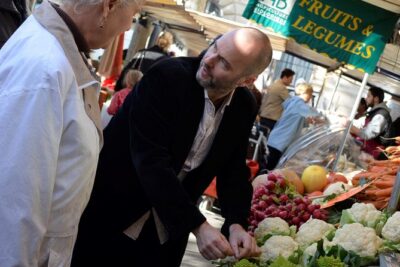
Paris Cooking Class and Lunch with Wine plus Market Visit Option
Read our review →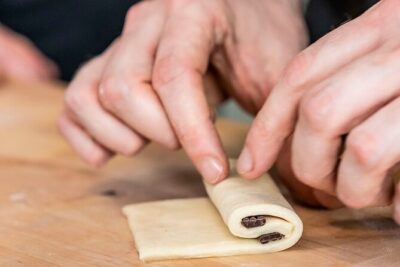
Paris Croissant Small-Group Baking Class with a Chef
Read our review →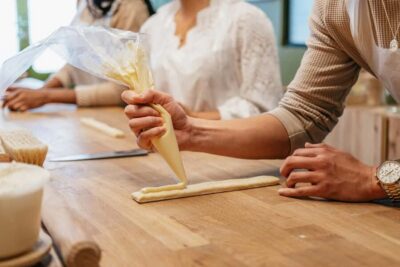
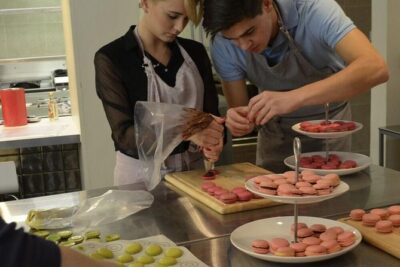
Paris Cooking Class: Learn How to Make Macarons
Read our review →
Paris Evening Cooking Class French Dinner and Market Visit Option
Read our review →
French Macarons Baking Class with a Parisian Chef
Read our review →
Browse the lists this tour appears in