
Reviewed · DORDOGNE TOURS
Jarnac: Braastad cognac prestige visit
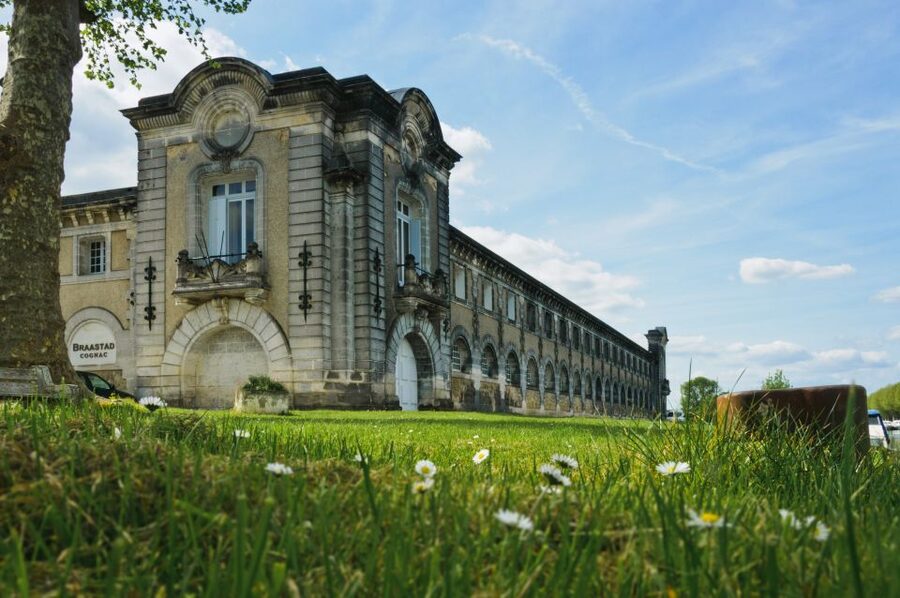
Braastad’s prestige visit takes you through the full cognac-making chain, from vineyard decisions to the final blend in your glass. You’ll see an authentic family-run house that has controlled its production since 1875, including the distillery, ageing cellar, museum, and historic headquarters.
I like the three-cognac tasting, which gives you a clear lesson in ageing and blending rather than just a quick sip. I also like the access to 10 pot stills and the large ageing cellar, parts of production many short tastings skip. The one drawback is the 90-minute format: it gives you a strong overview, but not time for a slow, technical study of every stage.
Key points to know before you go
- A full production story: Braastad covers vineyard care, harvest, winemaking, distillation, ageing, and blending.
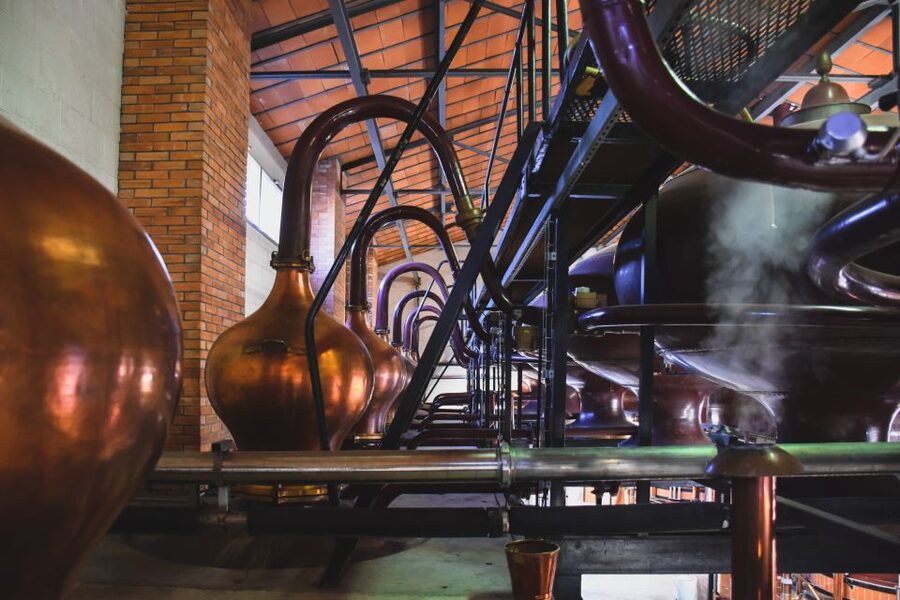
- Ten traditional pot stills: The distillery visit gives you a close look at the equipment used to turn wine into spirit.
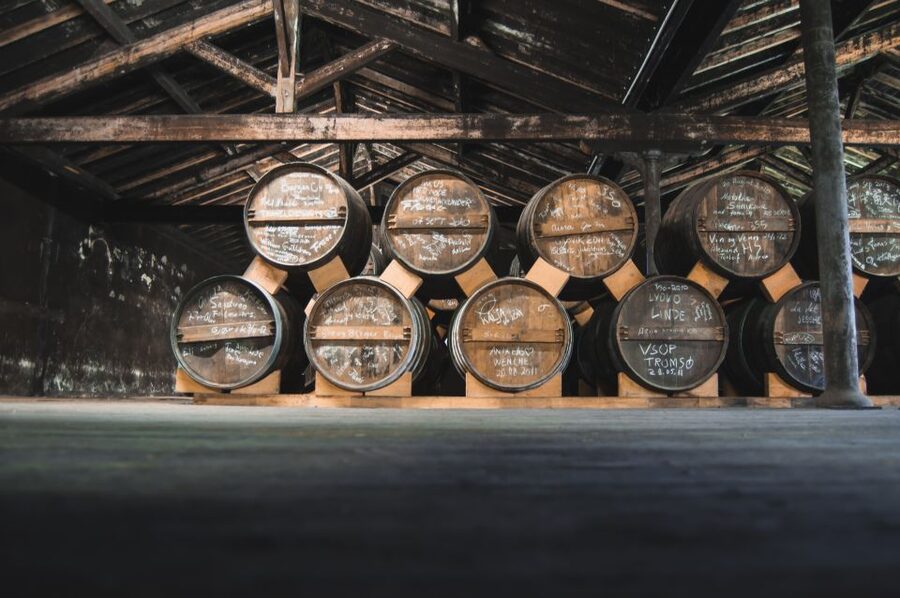
- A historic ageing cellar: You enter the chai where cognac rests before blending and bottling.
- Three mature pours: The tasting includes XO, XO supérieur, and Extra, each showing a different side of ageing.
- A small-house feel: The visit takes place inside Braastad’s own buildings, rather than in a generic tasting room.
- Practical value: At $41 per person, the price includes the tour, museum access, company building, and three premium tastings.
Why this Braastad visit is different
Many cognac tours focus on the final bottle. Braastad takes you further back. The house explains how decisions begin in the vineyard and continue through harvest, wine production, distillation, years in wooden casks, and final blending.
That matters because cognac is not simply distilled and poured. The character of the finished spirit depends on choices made at every stage. Braastad presents itself as a producer that takes responsibility for the entire chain, from the vines to the bottle. For you, that means the tour has a useful thread running through it: each stop explains how the next one becomes possible.
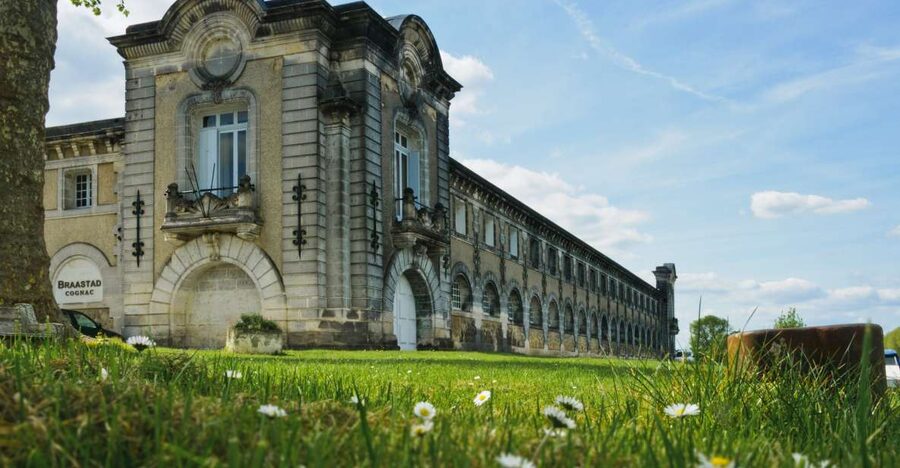
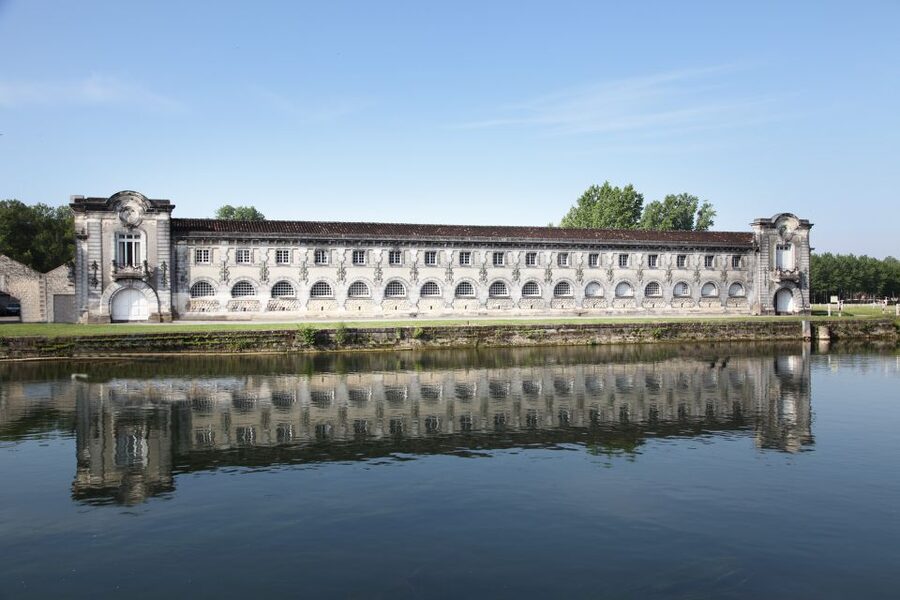
The setting also feels personal. Braastad is a family-run cognac house, founded in 1875, and the visit enters the heart of the company rather than keeping you at a distance. You walk through the iconic building, see old bottles and museum pieces, and get access to working production spaces.
The tone of the tour depends partly on the guide. Eric, also referred to as Erik in tour information, is especially associated with the visit. He explains the subject clearly, answers basic and difficult questions, and brings real energy to the presentation. If you know little about cognac, you should be able to follow along. If you already know the basics, the production access and tasting should still give you something useful.
More cognac houses and distilleries:
- Discover Braastad Cognac
★ 5.0 · 52 reviews - Guided tour Distillery of Lavender between Nîmes & Arles
★ 5.0 · 84 reviews
Starting beside the Charente at 29 Quai Île Madame
The meeting point is at 29 Quai Île Madame in Jarnac, with free parking along the Charente River. You meet at the front door, which keeps the arrival simple. You do not need to search for a distant visitor center or arrange a separate transfer.
The tour then heads into the Mainxe-Gondeville area for the guided visit before returning to the same address. The total activity lasts 90 minutes, so you should arrive ready to begin on time. The duration works well for a morning or afternoon stop in the Cognac area, especially if you are building a day around Jarnac and nearby producers.
The direct meeting point is a practical advantage for a driving holiday. Still, the activity itself does not include transport. You need to make your own way to the house.
The production story begins with the vineyard
The first part of the tour explains the steps that happen before the stills. Braastad discusses vineyard care, the harvest, and the making of the base wine used for distillation.
This section gives you useful context. Cognac begins as wine, but the finished spirit tastes nothing like an ordinary table wine. The quality and character of the grapes, the timing of the harvest, and the wine-making choices all affect the spirit that eventually comes from the still.
Braastad’s approach is presented as an estate-to-bottle process, with the house making decisions at each stage. That is one of the most important things to listen for. You are not only learning what happens, but why a producer might choose one method or blend over another.
The tour does not suggest that one vineyard creates one simple flavor. Instead, it shows how the idea of terroir, the character given by place and growing conditions, can carry through the whole process. The later tasting gives you a chance to connect that explanation with actual cognac in the glass.
Ten pot stills and the work of distillation
The distillery is one of the clearest highlights. You see 10 pot stills and learn how distillation changes the low-strength wine into concentrated spirit.
Pot stills are not just impressive copper equipment for photographs. They are central to the traditional character of cognac. The guide explains their role and helps you understand why distillation requires care and judgment. You should come away knowing that the spirit is not produced by pressing grapes directly into a bottle. It is built through a sequence of transformations.
This is also where the tour becomes more physical. Instead of only hearing about the process, you see the equipment that makes it happen. The stills help give scale to the operation and show that Braastad is not simply buying finished spirit and putting its name on it.
The production area may be less polished than a modern tasting room. That is part of its appeal, but it also means you should expect an active working site rather than a theatrical attraction. The focus is on how cognac is made.
A few more Dordogne half-days worth comparing
- Lascaux IV: Full Replica Cave Experience Ticket
★ 4.5 · 334 reviews - Sarlat la Canéda: The Dordogne valley by canoe
★ 4.5 · 297 reviews - From Vitrac: Dordogne River Canoe Rental
★ 4.8 · 162 reviews - From Sarlat: Beynac & Domme Tour & Dordogne Boat Ride
★ 4.6 · 137 reviews
Inside the ageing cellar
After the distillery, the visit moves into the ageing cellar, or chai. This is where the spirit rests for years before it is selected and blended.
The cellar is an important stop because ageing is one of the hardest parts of cognac to understand from a menu or bottle label. The spirit changes slowly in wood, gaining color, aroma, and softness over time. Braastad uses the cellar to explain why age statements matter, but also why age alone does not determine quality.
You will see the storage area for large wooden vessels, including foudres. The scale of the cellar gives you a better sense of the patience involved. A bottle marked XO or Extra represents years of holding stock, monitoring changes, and deciding how different spirits should work together.
This is also where the phrase art of blending becomes more concrete. Blending does not mean mixing random barrels. It means selecting spirits with different qualities and combining them to reach a particular house style. The cellar is where those future combinations wait.
The surroundings may appeal most to people who like working places with a sense of age. The visit is not designed as a glamorous cocktail experience. It is about wood, storage, old bottles, and the long wait that sits behind a finished cognac.
Old bottles, museum pieces, and the company building
Braastad adds a museum element with old bottles and fun facts about the house and the spirit. This gives the tour a break from equipment and production terms.
The old bottles help you see how packaging, presentation, and the reputation of a cognac house have changed over time. The museum is not treated as a separate blockbuster attraction. It works best as a compact part of the larger visit, adding character to the story of the company.
Entering the iconic building also gives the experience a stronger sense of place. You are not only tasting a product in a neutral room. You are seeing where the company presents itself and learning how the house connects its past to its current work.
The historic setting will appeal to you if you prefer small producers and family businesses over large visitor complexes. If you want a highly staged presentation with many interactive displays, this may feel quieter and more traditional.
The tasting: XO, XO supérieur, and Extra
The final tasting is the strongest reason to choose the prestige visit over a basic introduction. You taste three of Braastad’s oldest and most exceptional cognacs: XO, XO supérieur, and Extra.
The point is not simply to decide which one you like best. The three pours show how ageing and blending shape the final drink. You can compare structure, smoothness, aroma, and depth while the guide explains what you are noticing.
XO gives you a reference point for a mature cognac. XO supérieur allows you to consider another level of age and blending within the house range. Extra brings the tasting to the oldest end of the selection. The exact experience will depend on the current bottles served, but the progression is designed to show increasing age and the possibilities of carefully held stock.
This makes the tasting useful even if you are not a regular cognac drinker. You do not need to know every classification before arriving. Listen for the guide’s comparisons, take small sips, and notice how the spirits change from one glass to the next.
The tasting is also described as generous, which matters at this price. You are not paying $41 for one token sample after a short talk. The price includes three premium cognacs and access to the production areas, museum, and company building.
You should still plan sensibly. Three strong spirits can add up quickly, so arrange your transport with care and do not treat the tasting as a race.
What $41 buys you
At $41 per person, this visit offers good value if you want production access rather than only a retail tasting. The tour lasts 90 minutes and includes a guide, the distillery, 10 pot stills, the ageing cellar, museum material, the company building, and three mature cognacs.
The price is easier to justify for anyone who has already visited a basic tasting room and wants more detail. You are paying for the full story and for pours that let you compare ageing and blending directly.
It may feel less worthwhile if you only want to sample cognac and leave. In that case, the 90-minute walk through the production process may be more information than you need. The prestige visit suits you best when the making of the spirit is part of the attraction.
The visit can also feel close to private in the off-season, when groups may be small. That can make it easier to ask questions and spend more time with the guide. Group size is not fixed in the information provided, so you should not assume every departure will be private.
Languages, timing, and booking flexibility
Tours are available in English, French, and Norwegian. That makes the experience useful for a wider range of visitors, though you should check the language offered at your chosen time.
The activity runs for 90 minutes, with starting times based on availability. Free parking is along the Charente River, and the meeting point is at the front door of the Braastad building.
You can cancel up to 24 hours before the visit for a full refund. The reserve-now, pay-later option lets you hold a place without paying immediately, which is useful if your route through Nouvelle-Aquitaine is still changing.
The tour includes shopping as part of the stop, so you may have a chance to buy Braastad bottles after learning how they are made. The supplied details do not specify the full shop range or prices, so treat that as an optional extra rather than part of the guaranteed value.
Who will enjoy this most
I would choose this visit if you want to understand cognac beyond the label. It suits you especially well if you enjoy traditional production, family businesses, old cellars, and guided tastings with a clear teaching purpose.
It is also a good choice for a mixed group. The cognac enthusiast gets pot stills, ageing, and blending. The less experienced drinker gets a simple path through the process and three chances to compare styles.
The tour may be less suitable if you need a very short stop, dislike strong spirits, or want a broad day of several producers. At 90 minutes, it asks for a real block of your schedule, and the tasting is only one part of the experience.
The guide is important here. Eric or Erik is praised in the supplied tour details for warmth, enthusiasm, and patient answers. That personal style can make technical material easier to follow, especially when the group includes people who are starting from zero.
Should you book the Braastad prestige visit?
Book it if you want the production story, not just a drink. The combination of vineyard decisions, wine-making, 10 pot stills, the ageing cellar, old bottles, and three mature cognacs gives you a clear picture of how a family house works from beginning to end.
At $41, the value is strongest for curious drinkers who will pay attention during the tour and compare the three pours at the end. I would skip it only if you are looking for a quick tasting or have little interest in how cognac is produced.
For a Jarnac stop, this is a focused and practical way to meet a working cognac house. The final tasting gives the visit a satisfying finish, but the real strength is seeing how much care and time sit behind the bottle.
FAQ
Where does the Braastad Cognac visit begin?
The meeting point is at the front door of Braastad Cognac at 29 Quai Île Madame. Free parking is available along the Charente River.
How long does the visit last?
The guided experience lasts 90 minutes, including the tour and tasting.
What languages are available?
The tour is offered in English, French, and Norwegian.
Which cognacs are included in the tasting?
The tasting includes three mature cognacs: XO, XO supérieur, and Extra.
What parts of the cognac-making process will I see?
The visit covers vineyard care, harvest, wine-making, distillation, ageing, and blending. You also see the distillery, 10 pot stills, the ageing cellar, museum material, and the company building.
How much does the experience cost?
The listed price is $41 per person.
Can I cancel or pay later?
You can cancel up to 24 hours before the visit for a full refund. A reserve-now, pay-later option is also available.
Just added around Dordogne
- Visit of the Troglodytic Village of Madeleine★ 4.5 · 44 reviews
- The greedy Rando Trotter of Theo★ 5.0 · 27 reviews
- Canoe Butterfly★ 4.5 · 42 reviews
- Sarlat: Private Tour to the Dordogne Valley★ 5.0 · 32 reviews
- From Sarlat: Half-Day Skip-the-Line Lascaux IV Tour★ 4.9 · 42 reviews
- The greedy Rando quad of Nico★ 5.0 · 45 reviews
- Sarlat Gourmet Tour and Market Visit★ 5.0 · 49 reviews
- Discover Braastad Cognac★ 5.0 · 52 reviews
Dordogne Tours, compared.
Lascaux IV: Full Replica Cave Experience Ticket
Read our review →
la-Canéda: Lascaux IV and Cave Art Full-Day Tour
Read our review →
Au Cœur du Château – VSOP D’USSÉ & XO BARON OTARD
Read our review →
Dordogne Day Tour : Prehistory and The Art of the Caves from Sarlat
Read our review →
Sturgeon Fish-Farm Visit and Caviar Discovery Tasting in Neuvic
Read our review →Browse the lists this tour appears in