
Reviewed · WINE TOURS
Beaujolais wine tour from Lyon half day
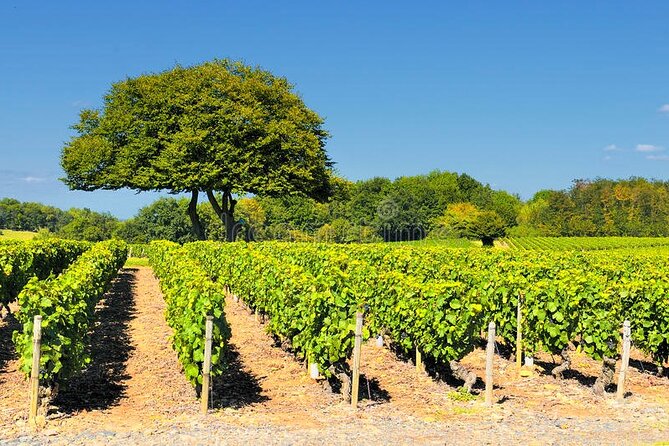
Beaujolais is close enough to Lyon for an easy afternoon escape, yet the change is quick: city streets give way to vine-covered hills, golden-stone villages, and small family wineries. The tour’s best feature is its personal scale, with a guide such as François, Romain, Eddy, or Raphaelle leading you to producers rather than a large commercial cellar. Two winery visits give you a useful first taste of the region, especially its Gamay reds and Pierres Dorées whites.
I like the comfortable air-conditioned van and the chance to meet the winemakers themselves. I also like that tastings can range from four or five wines to around ten, with some visits adding cheese, bread, or cured meats. The main thing to keep in mind is that the tour is short, and the behind-the-scenes access can vary. Some departures include production rooms and concrete tanks, while others focus mainly on vineyards and tasting rooms.
Key points to know before you book
- Two small wineries, two different styles: You compare family-run estates rather than tasting one producer’s full range.
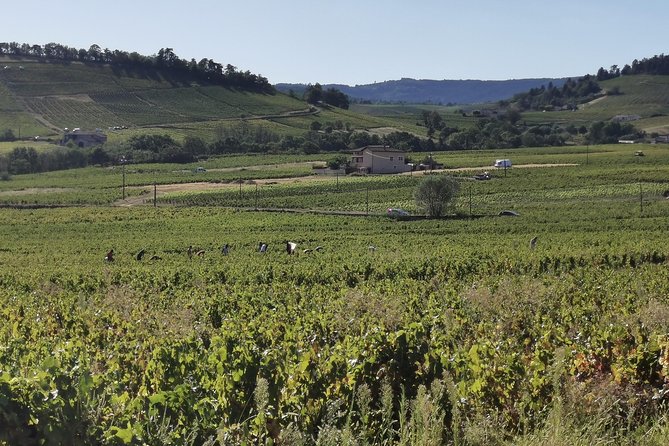
- The Pierres Dorées setting: Oingt and Le Bois-d’Oingt place you among Beaujolais villages built with warm golden limestone.
- A strong guide-led experience: François, Romain, Eddy, Mathilde, Raphaelle, and others are praised for clear explanations and easy conversation.
- Tastings are more than a token sip: Expect several red wines, plus white and possibly rosé, with pours listed as 3 cl per glass.
- A useful four-hour format: You get countryside and wine without giving up a full day in Lyon.
- Check the group size carefully: The tour is presented as a small-group outing of up to eight, while the formal activity details allow up to 16.
From Lyon to the golden-stone villages
The meeting point is the Office du Tourisme et des Congrès de la Métropole de Lyon at Place Bellecour. That is a practical starting place in central Lyon, and the tour ends there too, so you do not need to arrange a separate return trip.
You should arrive about 15 minutes early. The route out of Lyon is part of the pleasure. Instead of treating the drive as dead time, your guide explains the villages, vineyards, grapes, and winemaking traditions along the way. Guides have included François, Romain, Eddy, Mathilde, Raphaelle, and others, and the tone is usually informal rather than academic.
The air-conditioned vehicle matters on a warm afternoon, especially after a few tastings. It also keeps the outing simple: you can enjoy the wine without worrying about driving on unfamiliar country roads. The van is described as modern and punctual, though the exact vehicle and group size can vary by departure.
The scenery changes as you move north and west from Lyon. Vineyards cover the rolling slopes, and the villages have a softer, slower feel than the city. You are not getting a grand château tour or a long formal lecture. You are getting a compact introduction to a working wine region, guided by someone who can connect what you see outside the window to what you taste in the glass.
More Wine Tours in Burgundy
- Burgundy Bike Tour with Wine Tasting from Beaune
★ 5.0 · 674 reviews - Dijon: La Cave du Palais Burgundy Wine Tasting Experience
★ 4.8 · 400 reviews - From Lyon: Golden Stones Beaujolais Wine Tasting Tour
★ 4.7 · 387 reviews
Oingt and the Pierres Dorées introduction
The first planned stop is Oingt, in the Golden Stones area. The village and surrounding countryside provide a clear introduction to the southern Beaujolais setting, where golden limestone gives local buildings their warm color.
Here, your guide explains the origin and character of the vineyard area before you taste white and red wines. The red wines are generally the more expected Beaujolais choice, but the white wines are important to the experience. The region is not simply a place for one light red style, and tasting both colors helps you understand how varied the local production can be.
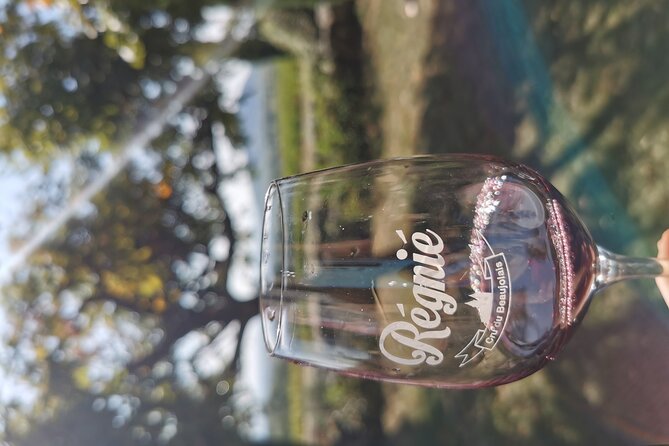
The tasting portions are listed at 3 cl per glass. That is enough to assess several wines without turning a half-day outing into a long drinking session. The exact number of pours can change, but some visits have included about four or five wines, while another tasting included seven.
I would pay attention to the contrast between the wines rather than searching for a single favorite. Ask about the grape, the vineyard, the age of the vines, and how the wine is made. The guides are especially useful here because they can explain unfamiliar terms in plain English and help you connect the fruit, acidity, structure, and finish to the place.
This first stop can be the more scenic part of the outing, but it may not always include a full tour of the production area. Some departures have included a walk among vines with young grapes and a look at concrete tanks. Others have taken you mainly to the vines and tasting room. If seeing barrels, vats, and fermentation rooms is essential to you, ask the guide what is planned that day.
Meeting the producer at Le Bois-d’Oingt
After passing more vine-covered villages, you visit a local estate near Le Bois-d’Oingt. This is where the tour’s human side comes into focus. Instead of tasting anonymous bottles in a shop, you meet a producer and hear about the work behind the label.
The estate may offer several red wines, along with white and possibly rosé. That range makes the second stop a good comparison with the first. One winery may favor a lighter, fruit-forward style, while another may offer older vines or a fuller expression. The point is not to declare a winner. It is to see how soil, vineyard choices, and winemaking methods shape wines from the same broad region.
The family-run character is one of the strongest reasons to choose this tour. At some estates, owners lead the tasting themselves and answer questions about fermentation, aging, and the realities of small-scale production. One especially detailed visit included traditional concrete aging tanks. Another included local cheese, cured meats, and fresh bread alongside the tasting.
Do not count on the same food at every departure. Snacks appear to depend on the estate and the day. The included items are alcoholic tasting pours, transport, and a local guide, while lunch is not included. This is not a meal tour, so I would eat before leaving Lyon or carry something small if you tend to get hungry in the afternoon.
The visits are usually relaxed, with no pressure to buy. You may want to bring room in your suitcase, though shipping wine to the United States is not available from at least some of the producers. If you are flying with only a carry-on, ask about transport rules before buying several bottles.
What you will actually learn about Beaujolais wine
This is a good first step into Beaujolais, not a full wine course. You will hear about Gamay, the grape most closely linked with the region, and taste red wines that can show bright fruit and a lighter feel. You will also try Beaujolais Blanc and perhaps rosé, which helps correct the common assumption that the area is only about young red wine.
The guide’s role makes a real difference. Romain is praised for explaining grapes and production in a lively way, while François is described as easy to listen to and good at making the drive part of the lesson. Eddy has led tastings with detailed explanations of fermentation and how to read a wine from start to finish. Raphaelle has been noted for explaining both the villages and the wineries during the drive.
Names and staffing can change, so you should not book expecting one particular guide unless the operator confirms it. Still, the pattern is clear: the guide is not merely a driver. You get someone who interprets the area, translates the producer’s explanations when needed, and keeps the pace moving.
I particularly like the chance to taste wines from different approaches. One estate might work organically, another might emphasize traditional methods, and a third might focus on fruit-forward wines. The tour gives you enough variety to form your own view of Beaujolais rather than relying on a single bottle.
Same trip, a completely different kind of day:
- Small-Group Full-Day Tour of Côte de Nuits, Côte de Beaune Vineyards and Beaune Historical District
★ 5.0 · 364 reviews - Beaune: Wine Tasting at Château de Pommard
★ 4.4 · 277 reviews - From Beaune: Burgundy Day Trip with 14 Wine Tastings
★ 4.8 · 248 reviews - Burgundy Grand Crus Route Day Tour – 14 Wines Tastings in Domains
★ 5.0 · 223 reviews
Small group comfort, with one detail to verify
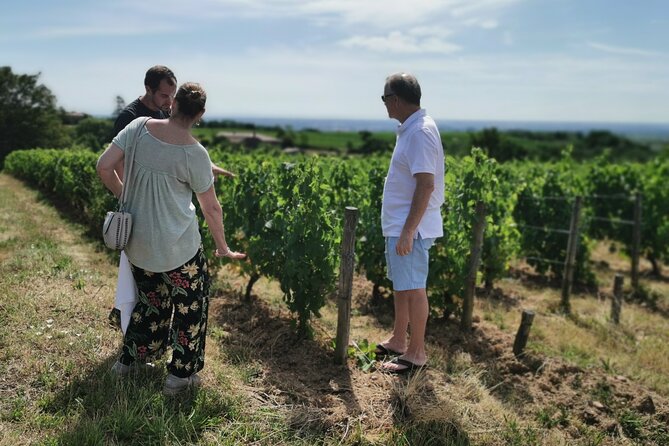
The tour is promoted as a small-group experience, often with a maximum of eight people. That is a major advantage for wine tasting. You can ask questions without raising your voice, and the producer has a better chance to speak with each person.
Small groups also make the van ride more pleasant. Several people can chat, compare impressions, and get to know each other without the hard edges of a large coach outing. One afternoon group included people from several countries, and the social side became part of the fun.
There is one point to clarify before booking. The activity information also gives a maximum of 16 participants. Since the tour features and descriptions emphasize eight, I would contact Rhône Trip or check the specific departure if group size matters to you. The experience is at its best when it remains intimate.
The tour is offered in English, and most people can participate. It is near public transportation at the meeting point, though the experience itself uses the provided vehicle. The itinerary includes walking near vineyards and entering winery spaces, so comfortable shoes are sensible, but no demanding hike is described.
Is four hours enough for Beaujolais?
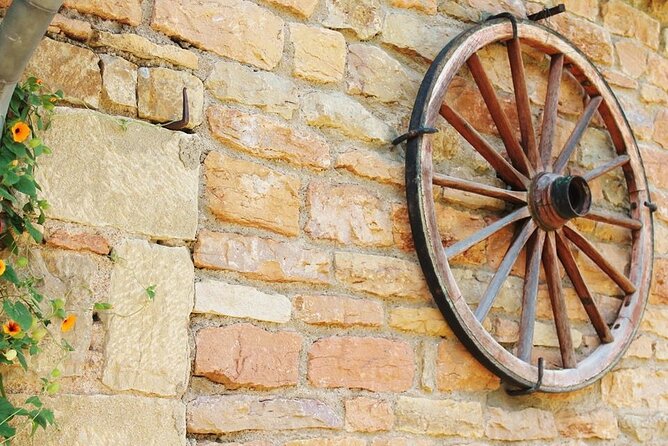
For a first look, yes. The short length is one of the tour’s strongest practical points. You can visit the countryside in the morning or afternoon and still have time for Lyon’s food markets, museums, or evening restaurants.
The trade-off is that the schedule cannot cover every part of the region. You will not have time for a long village visit, a leisurely lunch, several estates, and a detailed cellar tour in four hours. The two-stop format keeps the tour focused, but it also means the experience may feel brief if you want a serious study of Beaujolais.
Some people have found the outing shorter than expected, particularly when the winery visits centered on tasting rooms rather than production spaces. Others have found the balance just right. I would choose this tour for a useful introduction, not as the main event of a dedicated wine holiday.
Timing can also affect the feel of the countryside. Sunshine makes the vineyard drive especially attractive, but the area remains appealing in cooler weather. The tour runs in different conditions, so bring clothing suited to the forecast and do not assume the van is the only place you will spend time outdoors.
Price and the value of two producer visits
At $131.82 per person, this is not the cheapest way to taste wine. You are paying for more than the liquid in the glasses: transport from central Lyon, a four-hour route, an English-speaking local guide, access to two estates, and the convenience of not driving after tasting.
The value is strongest if you have limited time in Lyon and want the logistics handled. Hiring a car brings fuel, navigation, and the difficult question of who will stay sober. Using public transportation alone may get you near wine country, but it will not necessarily connect you with two small producers in one afternoon.
The price is less compelling if you want a full lunch, a long cellar visit, or a large number of bottles included. Lunch is not covered, and the tasting amounts are sample pours rather than full glasses. You are buying access and interpretation, not an all-day feast.
The high rating of 4.9 from 103 ratings and the 98 percent recommendation figure point to a consistently strong experience, but I would still read the tour description carefully. The biggest variable is the depth of the winery access. Some outings provide a genuine look at production, while others offer a vineyard explanation followed by tasting.
Who should book this half-day outing?
I would recommend it to you if:
- You are staying in Lyon and want a simple countryside escape.
- You enjoy wine but do not need advanced technical instruction.
- You prefer small family estates to large commercial attractions.
- You want to try both red and white Beaujolais wines.
- You value a guide who explains the region during the drive.
- You do not want to drive after tasting.
- You have only half a day available.
It also suits people who enjoy meeting others in a small group. The social tone is friendly, and the compact format makes it easy to share a bottle recommendation or compare impressions with people from different countries.
I would look elsewhere if your priority is a full production tour with guaranteed access to vats, barrels, and cellars. I would also choose a longer outing if you want a substantial meal, several hours at each estate, or time to explore Oingt at leisure. The tour can include behind-the-scenes details, but they are not guaranteed at every departure.
Booking ahead is sensible. The experience is booked an average of 41 days in advance, which suggests that popular dates can fill early. You receive confirmation when booking, and free cancellation is available until 24 hours before the start time. If the minimum number of participants is not reached, the operator offers another date or a full refund.
Final call: a smart first taste from Lyon
I would book this tour if I wanted an easy, well-organized introduction to Beaujolais without surrendering an entire day. The two family-run wineries, scenic drive, and strong guide presence give it more character than a basic tasting session in Lyon.
Go in with sensible expectations. You may taste roughly eight to ten wines across the two estates, or fewer, and you may see production rooms or simply hear about them in the tasting room. If you want local contact, varied wines, and a comfortable ride through the Pierres Dorées, this is a very good use of four hours. If you want a full winery workup, ask about the day’s visits before paying.
FAQ
Where does the Beaujolais wine tour begin?
It begins at the Office du Tourisme et des Congrès de la Métropole de Lyon, Place Bellecour, 69002 Lyon, France.
Where does the tour end?
The activity ends back at the meeting point at Place Bellecour.
How long does the tour last?
The tour lasts approximately four hours.
Is transportation included?
Yes. Transportation in an air-conditioned vehicle is included, along with a local guide.
How many wineries do you visit?
The planned experience includes two winery visits, one in the Oingt area and another near Le Bois-d’Oingt.
Are tastings included in the price?
Yes. Alcoholic tasting pours are included, listed as 3 cl per glass. Lunch is not included.
Is the tour offered in English?
Yes. The experience is offered in English.
Just added around Burgundy
- Chablis and Burgundy Wine Tour Run by Sommelier with Lunch★ 5.0 · 88 reviews
- Hameau Duboeuf, 1st theme park on Vine and Wine in Europe★ 4.5 · 63 reviews
- Beaujolais & Perouges Medieval Town (9:00 am to 5:15 pm – Small Group Tour Lyon★ 5.0 · 53 reviews
- Beaujolais Crus Wines & Castles (2:00 pm – 6:30 pm) – Small Group Tour from Lyon★ 5.0 · 37 reviews
- Beaujolais Segway Tour with Wine Tasting★ 5.0 · 98 reviews
- Beaujolais Half Day Wine Tasting Tour★ 4.5 · 62 reviews
- Guided tour of the Chablis Vineyards by e-bike★ 5.0 · 37 reviews
- Chardonnay Masterclass – Wine tasting in Dijon★ 5.0 · 91 reviews
Wine Tours, compared.
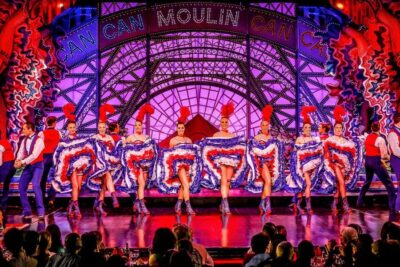
Moulin Rouge Cabaret Show Ticket with Champagne
Read our review →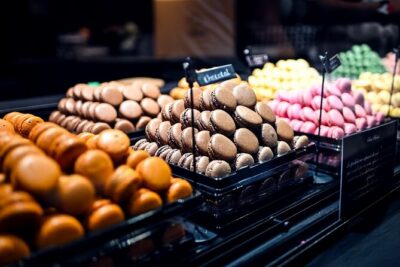
Authentic Parisian Gourmet Food Tour with 10 Local Dishes & Wines
Read our review →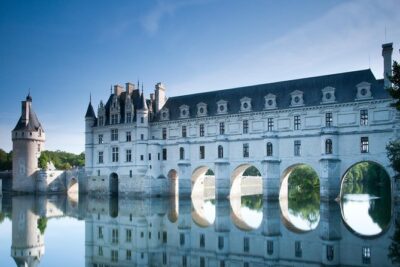
Loire Valley Castles Day Trip from Paris with Complementary Wine
Read our review →
River Garonne Cruise with Glass of Wine and Canelé
Read our review →
Montmartre Hill French Gourmet Food and Wine Tasting Walking Tour
Read our review →
Montmartre Cheese, Wine & Pastry Guided Walking Tour
Read our review →
Paradis Latin Cabaret Show with Optional Champagne
Read our review →Browse the lists this tour appears in