
Reviewed · WINE TOURS
Bordeaux Wine Masterclass: Blending workshop with appetizer
The best part of this Bordeaux wine class is that you do not simply sip and nod. You learn how French wine is labeled, test your nose with aroma exercises, and then blend Merlot and Cabernet Sauvignon yourself. It turns wine theory into something you can taste.
I like the small group of up to 12 people, which gives you room to ask questions. I also like the mix of French wines, cheese, cured meat, bread, and chocolate. The main consideration is that the session is broader than Bordeaux alone, and the food is a light appetizer rather than a meal.
Key points
- Blend your own Bordeaux wine: Compare Merlot and Cabernet Sauvignon, then create a personal blend.
- Taste across France: Sample at least seven wines, with examples from Bordeaux, Burgundy, the Côtes du Rhône, and the Loire Valley.
- Learn useful wine skills: Practice reading French labels, identifying aromas, judging color, and describing flavor.
- Expect a relaxed classroom: The session is seated, informal, and designed for beginners as well as experienced wine drinkers.
- Meet at 10:30 am: The workshop starts at 3 Rue d’Enghien and returns to the same location.
- Allow about 90 minutes: The advertised duration is approximately one hour and 30 minutes, although the full description also refers to a two-hour workshop.
Why the blending exercise matters
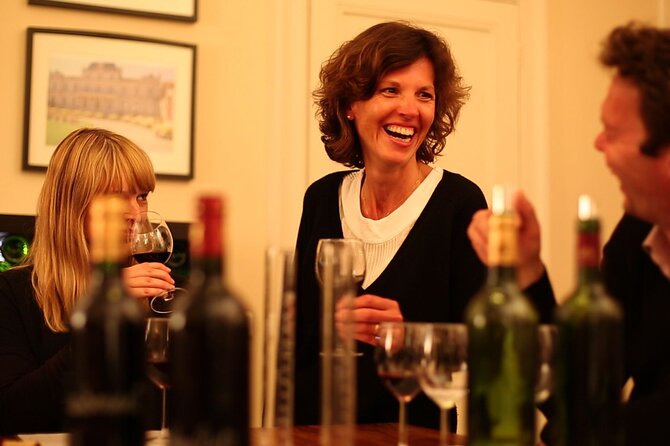
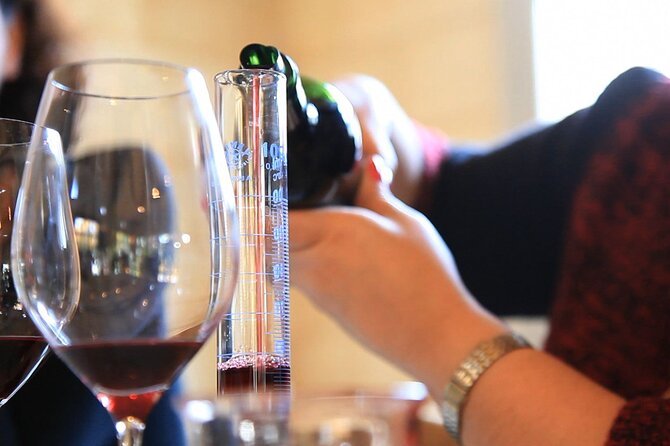
Many wine classes stop after tasting. This one asks you to make a decision. You taste Merlot and Cabernet Sauvignon separately, consider how their flavors and structure differ, and combine them in changing proportions.
That simple experiment explains one of Bordeaux’s central ideas: a finished wine can be built from several grape varieties, each adding something different. Merlot can bring softness and fruit, while Cabernet Sauvignon can add structure and firmness. You do not need a trained palate to notice that the proportions change the result.
The exercise is useful because it replaces vague wine talk with a direct comparison. You can taste how a blend changes instead of merely hearing that blending matters. It also gives the class a clear finish and a small souvenir of participation: a diploma when you leave.
More Wine Tours in Bordeaux
- Bordeaux: Cité du Vin Entry Ticket and Wine Tasting
★ 4.6 · 3,885 reviews - Bordeaux: River Garonne Cruise with Glass of Wine and Canelé
★ 4.5 · 3,630 reviews - From Bordeaux: Afternoon Saint-Emilion Wine Tasting & snack
★ 4.8 · 1,581 reviews
What happens during the Bordeaux workshop
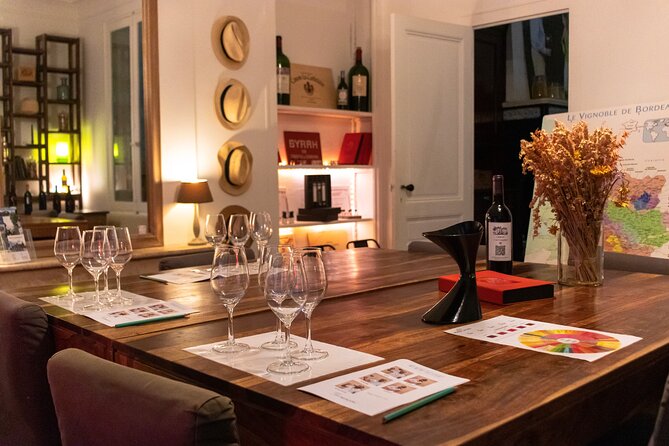
You meet at 3 Rue d’Enghien in Bordeaux at 10:30 am. There is no hotel pickup, so you need to make your own way to the meeting point. The activity ends there as well, which keeps the format simple and makes it easy to plan around other Bordeaux sightseeing.
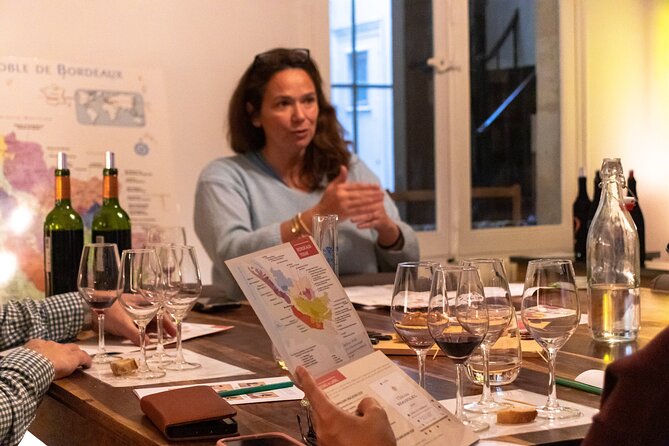
The class begins with an overview of French wine regions. Bordeaux gets special attention, but the tasting is not limited to Bordeaux bottles. You may taste wines connected with Burgundy, the Côtes du Rhône, and the Loire Valley, giving you a useful comparison between different French traditions.
That wider scope is helpful if you are new to French wine. It shows that Bordeaux is not the whole story, and it gives you a way to compare regional styles in one sitting. If you booked this expecting only classified Bordeaux wines, though, you may find the program more general than anticipated.
The guide then introduces common terms such as terroir and appellation. These words appear constantly on French bottles and menus, yet they can be hard to understand from a label alone. The session explains how place, production rules, and regional naming systems affect what you see on a bottle.
You also learn how to read a French wine label. That is practical knowledge for the rest of your trip. French labels often emphasize the place or appellation rather than printing the grape variety in large type, so understanding the system can help you make better choices in a shop or restaurant.
Tasting seven or more French wines
The tasting includes at least seven different wines, while the detailed program describes eight. Either way, this is a substantial number for a short class. The purpose is not to drink large glasses, but to compare wines side by side and notice differences.
Your guide leads you through the look, smell, and taste of each wine. You examine color, search for aromas, and work on describing flavors. The aroma exercise is especially useful because many people can sense a difference in wine without having the words to explain it.
Do not worry about getting every answer right. The class is meant for all experience levels. A beginner can learn how to approach a glass, while an experienced wine drinker can use the comparisons to sharpen existing preferences.
Several guides have led these sessions, including Gabriel, Victoire, Fabien, Chloé, Dorian, Carol, Hugo, Rémi, and Hector. The teaching style may vary by guide, but the strongest pattern is clear: the session depends heavily on an instructor who can explain technical points in plain language and keep questions moving.
The English-language format is useful for visitors who do not speak French. French is not included as a language option in the listed experience, so you should book this only if you are comfortable following a wine lesson in English.
A seated class with cheese, charcuterie, and chocolate
The food is designed to support the tasting, not replace lunch. Expect a French appetizer platter with cured meats, cheese, fresh bread, and chocolate. These pairings give you a chance to see how food changes the way wine tastes.
A salty cured meat can make a wine seem softer or more rounded. Cheese may bring out fruit or reduce the impression of sharpness. Chocolate provides a different match, especially toward the end of the session. The point is not a formal meal, but the food adds welcome variety during several glasses of wine.
One practical caution: the portion is light. If you arrive hungry, plan to eat before or after the class. You are getting an appetizer plate, not a full lunch.
The venue is described as comfortable and attractive, with a seated format. That matters in Bordeaux, where a morning class can be a pleasant change from walking between sights. It also makes the workshop a good option for a small celebration, a birthday trip, or a group of friends looking for an activity that gives everyone something to do.
More Workshops in Bordeaux
- Bordeaux: Introduction to Bordeaux Wines Tasting Workshop
★ 4.8 · 196 reviews - Bordeaux: Wine Masterclass with Cheese and Charcuterie Board
★ 4.9 · 184 reviews - Bordeaux Wines Masterclass paired with cheeses & charcuterie
★ 5.0 · 110 reviews - Workshop Bordeaux wine tasting: 4 reds & charcuterie pairing
★ 5.0 · 72 reviews
The value of an hour and a half
The listed price is $54.42 per person. For that amount, you receive the guided lesson, at least seven wines, an appetizer platter, the blending activity, and a diploma. The value depends on what you want from a tasting.
If your goal is simply to sample a few Bordeaux wines, you can probably find cheaper tastings. If you want a structured lesson that teaches you how to taste, understand labels, compare regions, and blend wine, the price is easier to justify.
The group size is capped at 12 people. That is not a private lesson, but it is small enough for questions and participation. A larger room could turn the activity into a lecture. Here, the format is intended to keep you involved.
The duration needs a little attention. The tour summary gives approximately one hour and 30 minutes, while the full description calls it a two-hour workshop. Plan your morning around roughly 90 minutes to two hours rather than scheduling a tight appointment immediately afterward.
Who will get the most from this class
This is a strong choice for a first introduction to French wine. You do not need prior tasting experience, and the lesson covers the basic vocabulary that can otherwise make French wine feel intimidating.
It also suits people who already drink wine but want a clearer system. The blind tasting and aroma work can make the class more engaging for experienced drinkers, especially when you compare wines from different regions rather than tasting several similar bottles.
Couples and small groups should find the format easy to share. You taste together, discuss impressions, and make a blend that reflects your own preference. It can also work well for a hen party or a birthday outing, provided everyone in the group is comfortable with a seated educational activity.
This may not be the best choice if you want to visit a château, walk through vineyards, or see winemaking equipment. The experience takes place as a workshop in Bordeaux, not as a countryside winery excursion. It is also not designed as a full meal or a private tasting.
The minimum drinking age is 18. Pets are not allowed, and most people can participate. The supplied details do not promise special arrangements for every mobility need, so contact the provider if you require specific assistance.
How the class helps with future wine buying
The most useful benefit comes after the session. Once you understand terms such as appellation and terroir, a French wine shelf becomes less mysterious. You can start asking what region you prefer, how much structure you enjoy, and which aromas appeal to you.
The class also teaches you to describe your taste without relying on a score. You may discover that you prefer a softer Merlot-led blend, a firmer Cabernet Sauvignon style, a lighter Loire wine, or a more robust Rhône example.
That is more practical than memorizing a list of famous producers. You leave with a vocabulary for ordering wine and a better sense of what you like. The lesson cannot turn you into a sommelier in 90 minutes, but it can make your next restaurant order less of a guess.
Booking and cancellation details
This experience is offered in English with a mobile ticket. It is often reserved about 29 days ahead, so booking early is sensible if your Bordeaux dates are fixed, especially for a preferred morning.
You can cancel for a full refund up to 24 hours before the start time. Cancellations or changes made within 24 hours are not refunded or accepted. The class also requires a minimum number of participants. If that minimum is not reached and the session is canceled, you will be offered another date or experience, or a full refund.
Should you book this Bordeaux wine class?
Book it if you want an active lesson rather than a passive tasting. The combination of regional comparisons, label reading, aroma practice, food pairing, and personal blending gives you more to do than simply drink seven wines.
I would especially recommend it early in a Bordeaux stay. The vocabulary and tasting method can help you understand later restaurant menus or winery visits. Book it with realistic expectations: it is a seated class in central Bordeaux, not a château tour, and the appetizer plate is modest.
If you prefer a narrow focus on prestigious Bordeaux estates, choose a winery excursion instead. If you want a friendly, practical introduction to French wine with a hands-on finish, this class earns its place on your itinerary.
FAQ
Where does the Bordeaux wine workshop begin?
It begins at 3 Rue d’Enghien, 33000 Bordeaux, France.
What time does the class start?
The listed start time is 10:30 am.
Where does the experience end?
The activity ends back at the meeting point.
How long does the workshop last?
The tour summary gives an approximate duration of one hour and 30 minutes. The detailed description refers to a two-hour workshop, so allow between 90 minutes and two hours.
How many wines are included?
The included details specify seven different wines, while the full program describes tasting eight wines. You should expect at least seven French wines.
Which wine regions are covered?
The lesson discusses French regions including Bordeaux, Burgundy, the Côtes du Rhône, and the Loire Valley.
What food is included?
You receive a French appetizer platter with cheese, cured meat, fresh bread, and chocolate.
Is the activity suitable for beginners?
Yes. It is designed for wine lovers of all levels and covers basic tasting techniques, terminology, aromas, flavors, color, and French wine labels.
What is the cancellation policy?
You can cancel at least 24 hours before the local start time for a full refund. Cancellations or changes made less than 24 hours before the start time are not accepted or refunded.
Just added around Bordeaux
- Bordeaux : Unforgettable Saint Emilion Half Day Wine Tour★ 4.5 · 131 reviews
- From Bordeaux: Full-Day St Emilion Wine Tasting Tour★ 4.8 · 280 reviews
- Bordeaux:Wine Masterclass & Blending workshop with appetizer★ 4.8 · 54 reviews
- Bordeaux: Sightseeing by Side Car★ 5.0 · 143 reviews
- Bordeaux: Guided Food and Wine Tour with Tastings★ 4.9 · 41 reviews
- Workshop Bordeaux wine tasting: 4 reds & charcuterie pairing★ 5.0 · 72 reviews
- Bordeaux: St-Emilion and Medoc Wine Day Tour with Lunch★ 4.8 · 64 reviews
- Welcome to Bordeaux: Private Walking Tour with a Local★ 4.4 · 116 reviews
Wine Tours, compared.
Moulin Rouge Cabaret Show Ticket with Champagne
Read our review →
Authentic Parisian Gourmet Food Tour with 10 Local Dishes & Wines
Read our review →
Loire Valley Castles Day Trip from Paris with Complementary Wine
Read our review →
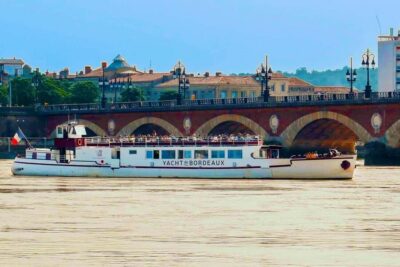
River Garonne Cruise with Glass of Wine and Canelé
Read our review →
Montmartre Hill French Gourmet Food and Wine Tasting Walking Tour
Read our review →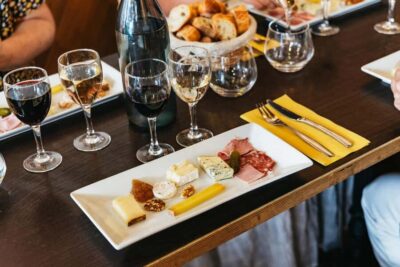
Montmartre Cheese, Wine & Pastry Guided Walking Tour
Read our review →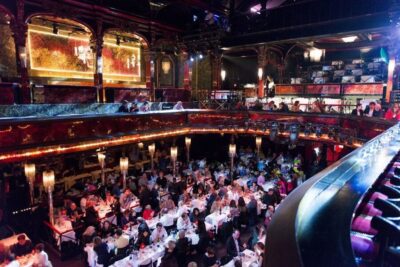
Paradis Latin Cabaret Show with Optional Champagne
Read our review →Browse the lists this tour appears in