
Reviewed · WINE TOURS
Bordeaux: Introduction to Bordeaux Wines Tasting Workshop
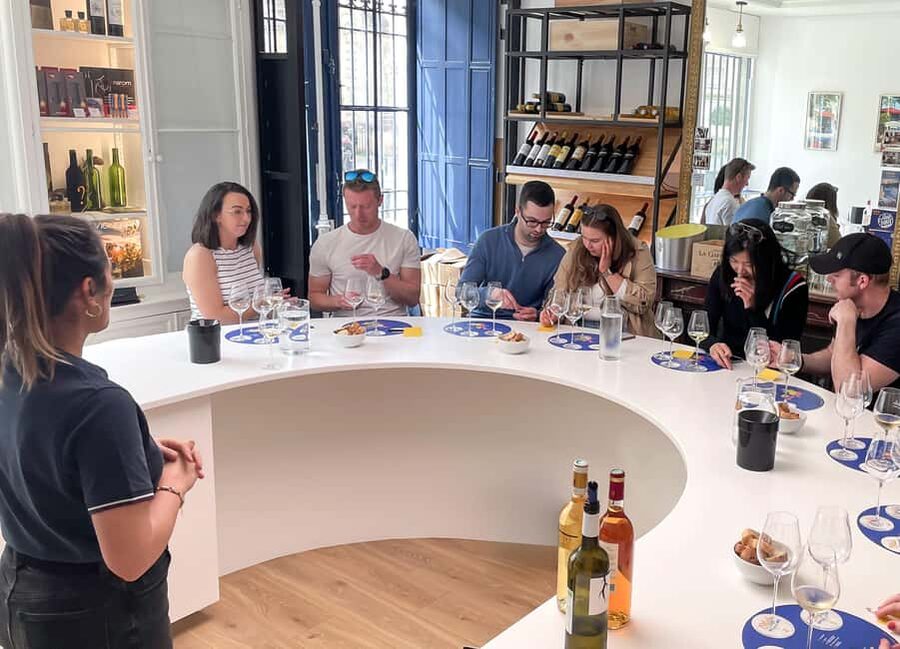
Bordeaux’s wine rules can feel like a puzzle. This one-hour workshop gives you the missing pieces over one white wine, two reds, and a local cheese and charcuterie board. Near the Grand Theatre, you’ll learn how soil, climate, grape varieties, appellations, and blending shape what lands in your glass.
I like the small-group feel and the practical teaching. Guides such as Antoine, Anna, Enzo, Noe, and Olivier have been praised for keeping the session friendly and interactive. The aroma kit and blind tasting add useful hands-on practice, rather than leaving you to listen to a lecture.
The main limitation is time. One hour is enough for a clear introduction, but not enough to explore every Bordeaux appellation or apply every tasting technique with much depth. One guest also felt the opening explanation lasted a little too long before the wine began.
Key points at a glance
- Three Bordeaux wines in one hour: Taste one white and two reds, including a Grand Cru.
- Aroma practice, not just sipping: Use smell tests and tasting steps to identify aromas and structure.
- Local pairings included: Share cheese, charcuterie, and baguette from local producers.
- A useful Bordeaux primer: Learn terroir, grape variety, appellation, production, and blending.
- Central location: Meet a few steps from the Grand Theatre in Bordeaux.
- Good value at $34: The price covers the guide, three wines, food, water, and information brochures.
A quick introduction near Bordeaux’s Grand Theatre
This workshop takes place in the center of Bordeaux, just a short walk from the Grand Theatre. That location matters. You can fit the class into a sightseeing day without setting aside half a day for transport, and you can use it as an early orientation before visiting wine country outside the city.
The setting is a dedicated tasting space rather than simply a table tucked into the back of a restaurant or bar. One particularly useful detail is the white tabletop, which makes it easier to look at wine color. The room has been described as small and brightly lit, so expect an intimate classroom atmosphere rather than a grand cellar.
Your guide teaches in English or French. The exact instructor depends on your booking, but names attached to past sessions include Antoine, Anna, Noe, Eva, Pierre, Enzo, Olivier, Juliette, and Ana. The teaching style can vary slightly, yet the shared aim is clear: explain Bordeaux without assuming you already know the difference between a left-bank and right-bank bottle.
You do not need a trained palate. The class is designed for beginners, curious drinkers, and people who want a stronger foundation before a winery visit.
More Wine Tours in Bordeaux
- Bordeaux: Cité du Vin Entry Ticket and Wine Tasting
★ 4.6 · 3,885 reviews - Bordeaux: River Garonne Cruise with Glass of Wine and Canelé
★ 4.5 · 3,630 reviews - From Bordeaux: Afternoon Saint-Emilion Wine Tasting & snack
★ 4.8 · 1,581 reviews
Three glasses that explain Bordeaux
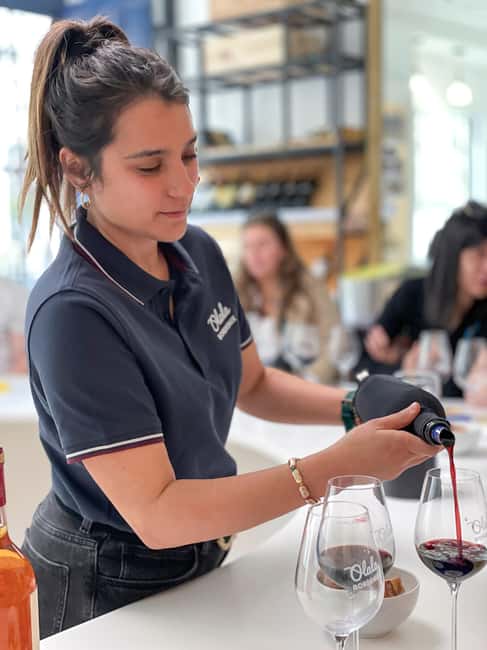
The tasting includes one white Bordeaux and two red Bordeaux wines. One of the reds is a Grand Cru, giving you a chance to compare a more prestigious example with another regional wine.
The point is not simply to decide which glass you prefer. You’ll consider why the wines differ. Soil, weather, grape variety, production choices, and blending all affect the final flavor. Bordeaux is famous for blended wines, so this is a useful place to learn that a bottle’s character may come from several grape varieties working together rather than a single grape acting alone.
The white wine provides a change of pace from the reds. It also helps you think about acidity, fruit, freshness, and aroma in a different way. With the red wines, you may focus more on color, body, tannin, fruit character, and finish. The precise labels are not specified in advance, so do not book this expecting a fixed vintage or a particular château.
That flexibility is normal for an introductory tasting. The value comes from learning how to compare the glasses in front of you, not from collecting a checklist of famous names.
Learning to smell, taste, and compare
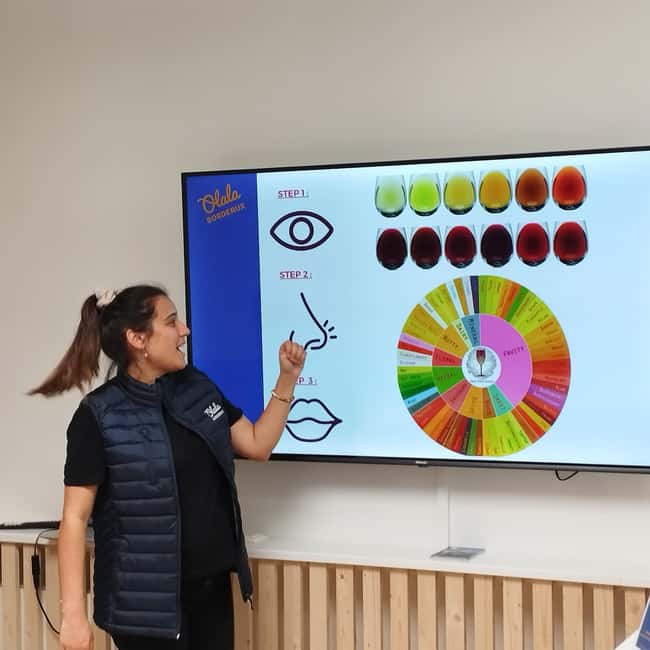
A good wine class gives you a repeatable method. Here, you’ll be introduced to the basic stages of tasting and to the aromas that can appear in wine.
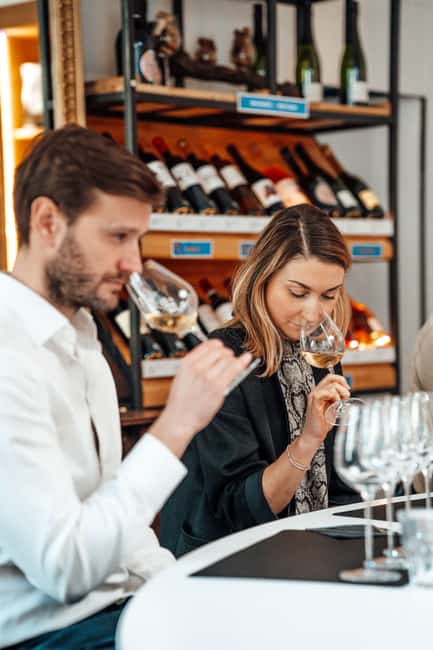
The aroma activity is one of the most useful parts. You may use a scent kit or smell tests to separate common aromas before trying to identify them in the glass. This can feel playful, but it serves a purpose. Many new wine drinkers think they are supposed to instantly recognize a list of exotic fruits or flowers. The exercise shows you that smelling is a skill you can train.
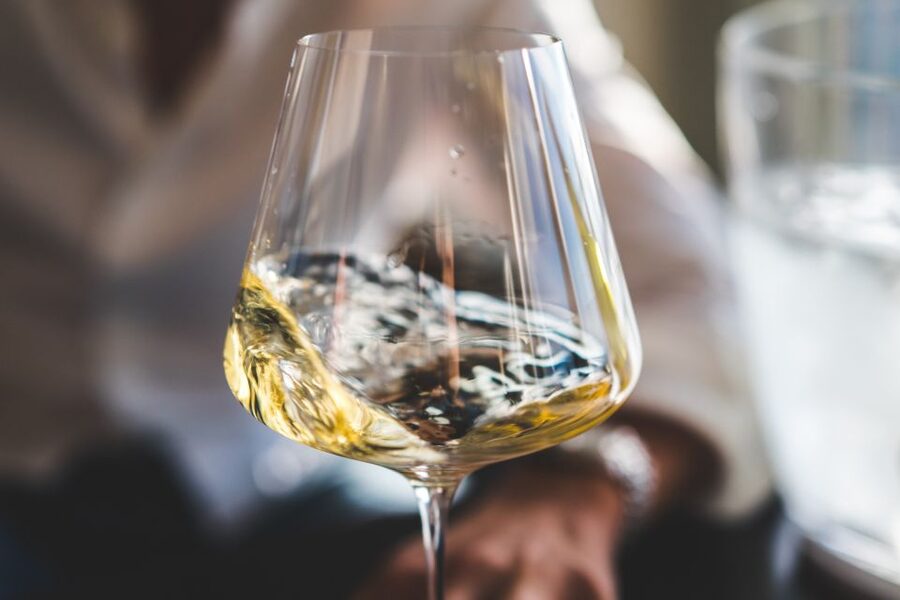
You’ll also learn how to look at the wine, smell it, taste it, and discuss what you notice. A blind tasting adds a little suspense and makes everyone pay closer attention. You are not being tested for a professional certificate. You are learning how to describe what you like and why.
That is especially helpful at a restaurant or wine shop. Instead of saying only that you want a good red, you may be able to explain that you prefer something lighter, fruitier, less tannic, or more structured.
Terroir, appellation, and blending made plain
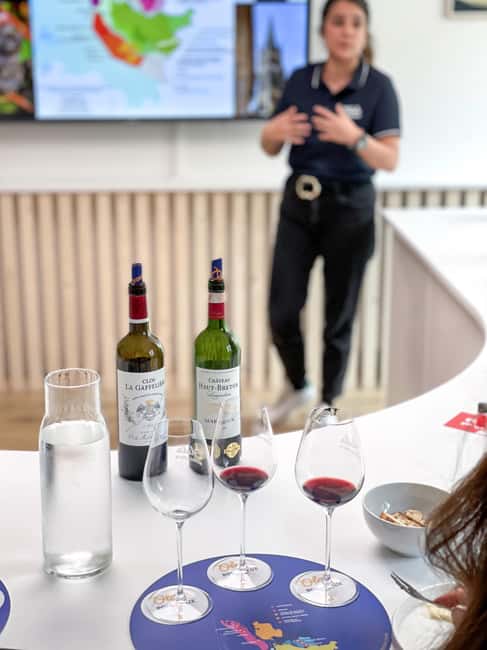
Bordeaux wine vocabulary can be intimidating. This workshop breaks down terms such as terroir, appellation, and grape variety in a practical way.
Terroir refers to the combined effect of natural conditions, especially soil and climate, on a wine. The class connects those ideas to taste, which is far more useful than memorizing definitions. You’ll consider how the place where grapes grow can influence acidity, ripeness, body, and aroma.
An appellation is a defined wine-producing area with its own rules and identity. Bordeaux contains many appellations, and their names can appear on labels in ways that confuse new buyers. A short introduction cannot cover every district, but it can give you a framework for understanding why two bottles from the same broad region may taste quite different.
Blending is another key subject. Bordeaux wines are often made by combining grape varieties to create balance and complexity. You’ll learn why a winemaker might blend for structure, fruit, aroma, or aging potential. This is the sort of information that makes a Bordeaux wine list less mysterious.
The workshop also covers the wine-making process and some of Bordeaux’s wine history. The best way to approach this section is as a foundation, not a full course in French wine.
More Workshops in Bordeaux
- Bordeaux: Wine Masterclass with Cheese and Charcuterie Board
★ 4.9 · 184 reviews - Bordeaux Wine Masterclass: Blending workshop with appetizer
★ 5.0 · 113 reviews - Bordeaux Wines Masterclass paired with cheeses & charcuterie
★ 5.0 · 110 reviews - Workshop Bordeaux wine tasting: 4 reds & charcuterie pairing
★ 5.0 · 72 reviews
Cheese, charcuterie, and the practical side of tasting
The food board includes local cheeses, charcuterie, and baguette. Water is also provided. The portion is more than a token snack, and it helps turn the tasting into a light social meal rather than three glasses served on their own.
Food pairing is taught as part of the session. You’ll notice how salt, fat, creaminess, and texture can change the way wine tastes. This is valuable because a wine you dislike by itself may work much better with food, while a soft cheese can make a tannic red seem smoother.
The board also adds a sense of place. Local products make the class feel connected to Bordeaux instead of like a generic wine lesson that could happen anywhere. If you are planning a full-day winery visit, this food and wine practice gives you a better base for understanding what you taste there.
Do not expect a full lunch. The board is included as an accompaniment, and personal expenses are not covered. If you need a substantial meal, plan one before or after the class.
Why the one-hour format works, and where it falls short
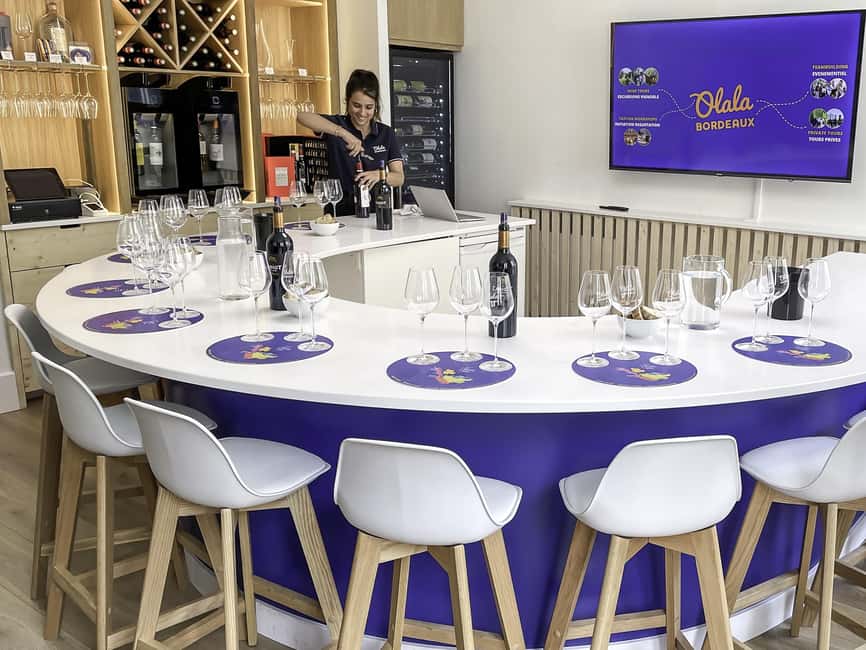
One hour is a smart length for a busy day in Bordeaux. It is long enough to taste three wines, learn the main concepts, try aroma exercises, and ask questions. Several sessions have been described as unhurried despite the short schedule.
The compact format also suits first-time wine drinkers. You get a clear beginning, middle, and end without committing to a long seminar. If you are traveling with someone who is curious about wine but not ready for a full-day excursion, this is an easy compromise.
Still, you should set realistic expectations. Bordeaux has a huge number of appellations, grape varieties, producers, and wine-making traditions. You will not master the region in sixty minutes. The tasting can also feel slightly front-loaded if your guide spends a long time explaining concepts before pouring the first wine. One guest specifically wished the group had started tasting sooner.
My advice is to ask questions as soon as something interests you. The class is designed for discussion, and the guides have been praised for answering questions and adapting to wine preferences. A small group makes that exchange easier than a large lecture.
Value at $34 per person
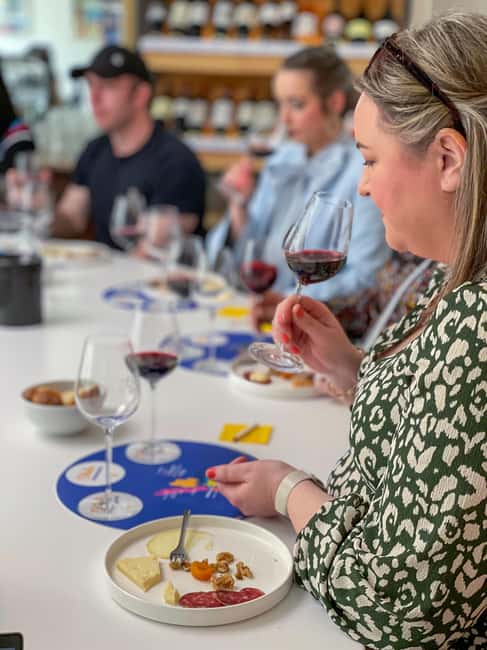
At $34, the workshop is fairly priced for a central Bordeaux activity. The fee includes the guide, three wines, cheese, charcuterie, baguette, water, and printed information. You are paying for instruction as well as drinks and food.
The value is strongest if you are new to Bordeaux wine. A bottle ordered at random may cost a similar amount, but it will not teach you how to read the label, compare styles, or describe what you are tasting. The class can help you make smarter choices during the rest of your trip and after you return home.
It also works well before a winery outing. One participant used it as preparation for a full-day wine tour and found the background useful. You may recognize terms and techniques later instead of hearing them for the first time at a château.
If you already know Bordeaux well, the value depends on your goal. The three wines may still be enjoyable, but you may find the basic explanations familiar. This is an introduction, not an advanced tasting focused on rare vintages or detailed producer comparisons.
Who should book this Bordeaux workshop?
I would choose this experience for:
- First-time visitors who want a sensible introduction to Bordeaux wine
- Couples and friends looking for a relaxed activity near the city center
- Solo visitors, since the small-group format is reported to feel comfortable even when attending alone
- People planning a Saint-Émilion or other winery visit later in the trip
- Wine drinkers who want practical tasting skills rather than a long historical lecture
- Anyone who wants a central, short activity that includes food
It is less suitable for children under 16, and unaccompanied minors are not allowed. Pets are not allowed either. The experience is meant for adults who can take part in a wine tasting.
The teaching languages are English and French. If you need a particular language or meeting location, check the option you book, since the meeting point may vary.
Tips for getting more from the hour
Arrive ready to participate. The guides use questions, aroma activities, and comparison, so you will gain more by smelling and discussing than by sitting quietly and waiting for the answers.
Wear something you can comfortably spend an hour in, and avoid treating the class as a race to finish the glasses. The purpose is to compare the wines and notice how food changes them. Water is available, and using it between tastings helps keep your palate fresh.
If you have visited La Cité du Vin, you do not need to assume this will repeat the same material. One session successfully focused on different topics, with attention to the wine choices and tasting practice. Still, tell your guide what you already know so the conversation can move at the right level.
Finally, take the information brochure with you. Its value begins after the class, when you are standing in front of a Bordeaux shelf and trying to remember what the appellation name on the label means.
Should you book it?
Book this workshop if you want a friendly, central introduction to Bordeaux wines for $34, especially before a winery day. The combination of three wines, local food, aroma practice, and clear explanations gives you useful skills without taking over your schedule.
Skip it if you want an advanced tasting, a fixed list of celebrated producers, or a long visit among vineyards. For most beginners, though, this is a practical first step into Bordeaux wine culture. Keep your expectations focused on learning the basics, and the hour should leave you better prepared to choose, taste, and enjoy wine on your own.
FAQ
How long does the Bordeaux wine workshop last?
The workshop lasts one hour. Check availability for the specific starting times offered on your date.
How many wines are included?
You receive one white Bordeaux wine and two red Bordeaux wines. One of the red wines is a Grand Cru.
Is food included?
Yes. The tasting includes local cheese, charcuterie, baguette, and water.
What will I learn during the class?
You’ll learn the basics of wine tasting and production, including terroir, grape variety, appellation, blending, wine aromas, tasting steps, and food pairings.
Is the workshop offered in English?
Yes. The instructor languages are English and French.
Is this a small-group experience?
A small-group option is available. The exact group arrangement depends on the option you book.
Where does the workshop meet?
It takes place in central Bordeaux, a few steps from the Grand Theatre. The exact meeting point may vary depending on the option booked.
Can children attend?
The experience is not suitable for children under 16. Unaccompanied minors are not allowed.
Can I cancel my booking?
You can cancel up to 24 hours in advance for a full refund. A reserve-now, pay-later option is also available.
Just added around Bordeaux
- Bordeaux : Unforgettable Saint Emilion Half Day Wine Tour★ 4.5 · 131 reviews
- From Bordeaux: Full-Day St Emilion Wine Tasting Tour★ 4.8 · 280 reviews
- Bordeaux:Wine Masterclass & Blending workshop with appetizer★ 4.8 · 54 reviews
- Bordeaux: Sightseeing by Side Car★ 5.0 · 143 reviews
- Bordeaux: Guided Food and Wine Tour with Tastings★ 4.9 · 41 reviews
- Workshop Bordeaux wine tasting: 4 reds & charcuterie pairing★ 5.0 · 72 reviews
- Welcome to Bordeaux: Private Walking Tour with a Local★ 4.4 · 116 reviews
- Bordeaux : Must-See Attractions Walking Tour★ 4.8 · 30 reviews
Wine Tours, compared.
Moulin Rouge Cabaret Show Ticket with Champagne
Read our review →
Authentic Parisian Gourmet Food Tour with 10 Local Dishes & Wines
Read our review →
Loire Valley Castles Day Trip from Paris with Complementary Wine
Read our review →
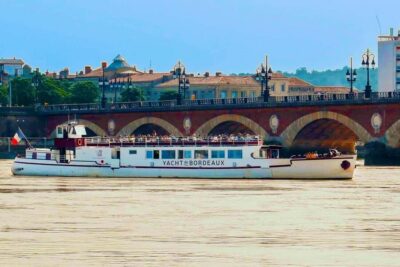
River Garonne Cruise with Glass of Wine and Canelé
Read our review →
Montmartre Hill French Gourmet Food and Wine Tasting Walking Tour
Read our review →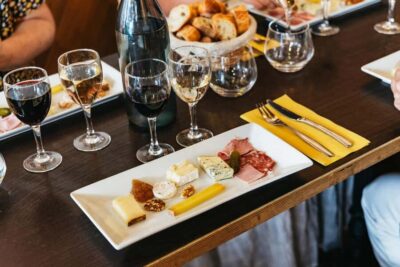
Montmartre Cheese, Wine & Pastry Guided Walking Tour
Read our review →
Paradis Latin Cabaret Show with Optional Champagne
Read our review →Browse the lists this tour appears in