
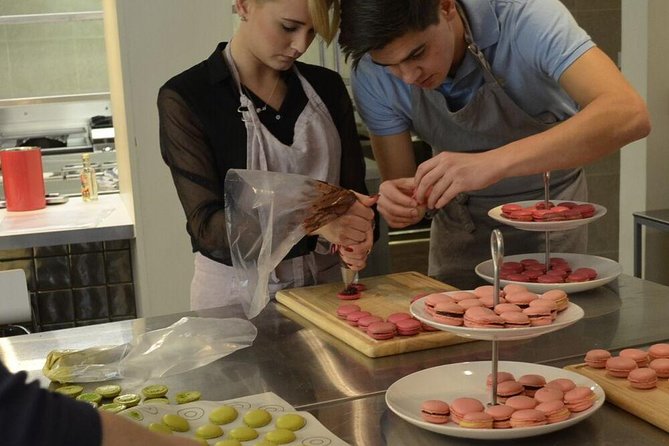
Reviewed · COOKING CLASSES
Paris Cooking Class: Learn How to Make Macarons
The best part of this Paris class is that you do not simply watch a pastry chef work. You make the macarons yourself, from whipped meringue shells to piped buttercream. Stéphane, Paulo, Luc, Fanny, and other Le Foodist chefs lead the class, depending on the date.
I like the small advertised maximum of four people, which gives you room to ask questions and get help with piping. I also like the generous takeaway: about 20 to 30 macarons, plus a tea or coffee tasting at the end. The catch is that macarons are fussy, sweet pastries, and the finished shapes may not all look perfect. Also, some class formats have used larger groups, so confirm the current size when you book.
Key details before you book
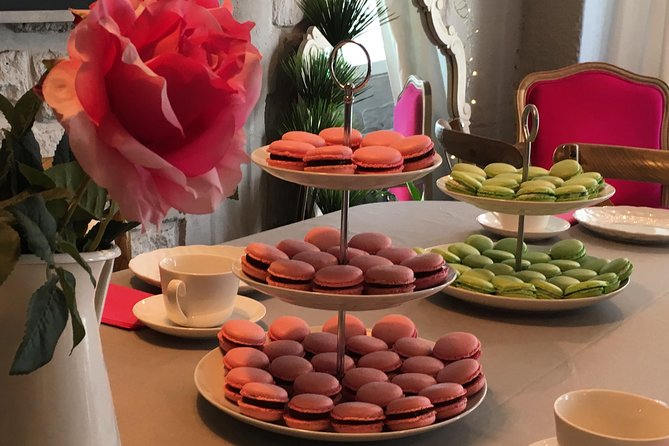
- You make the macarons from scratch: Prepare meringue shells, choose colors, pipe the filling, and assemble the finished pastries.
- The class lasts about three hours: It begins at 3:00 p.m. at Le Foodist, 59 Rue du Cardinal Lemoine, in central Paris.
- You take home a large box: The included portion is about 20 to 30 macarons, depending on the class format and final yield.
- Instruction is in English: The chefs explain each stage, share practical tricks, and answer questions as you work.
- Tea and coffee finish the lesson: You taste the macarons together and hear about their place in French food culture.
- The minimum age is 12: Children must be accompanied, and unaccompanied children are not accepted.
What makes this macaron class worth three hours
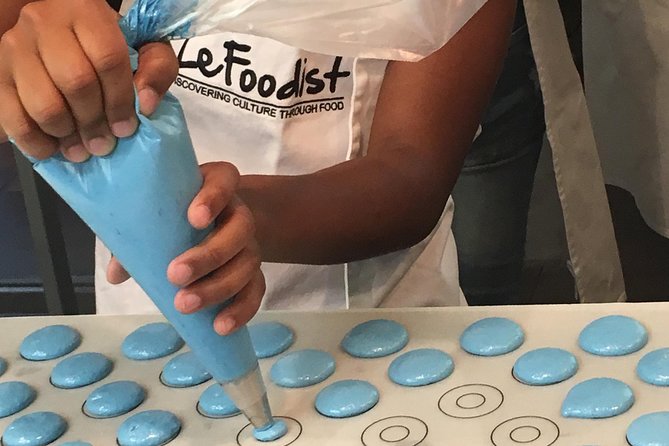
Macarons look simple in a pastry shop case. Two smooth, colorful shells, a neat ring of filling, and a polished finish. In the kitchen, they are far less forgiving. The meringue must be whipped properly, the batter needs the right texture, and piping takes a steady hand.
That is why this class works better than simply buying a box at a Paris pâtisserie. You see the process and take part in the parts most likely to go wrong. The chef can correct your technique as you work instead of leaving you to guess why a shell cracked or spread.
The class is aimed at pastry lovers, but you do not need professional baking experience. The instruction is step by step, and the pace includes time for mixing, baking, assembling, and tasting. You should expect a practical lesson rather than a quick demonstration.
I especially like the social scale of the class. With the advertised maximum of four people, the chef can watch each person pipe, answer individual questions, and adjust the help to different skill levels. Some past class arrangements have paired people at workstations and used groups larger than four, so the exact setup may depend on the date. If personal attention is the main reason you are booking, ask Le Foodist to confirm the group size.
More cooking classes in Paris:
- Paris Cooking Class and Lunch with Wine plus Market Visit Option
★ 5.0 · 1,024 reviews - Paris Croissant Small-Group Baking Class with a Chef
★ 5.0 · 910 reviews - Paris: French Croissant Baking Class with a Chef
★ 4.9 · 712 reviews
Meeting the chef at Le Foodist
You meet at Le Foodist, at 59 Rue du Cardinal Lemoine in the 5th arrondissement. The address is near public transportation, making it practical to reach from other parts of Paris. The class starts at 3:00 p.m., so it fits well after a morning museum visit or a relaxed Paris lunch.
The session begins with a welcome drink. This gives you a chance to meet the chef and the other people in the class before the flour, sugar, and piping bags appear. It also helps set the tone. This is a social cooking lesson, not a silent technical workshop.
The setting is a cooking school rather than a restaurant dining room. That matters because you spend most of the time working. You should wear clothes that can tolerate a little flour or food coloring, although the required equipment and attire are provided.
The chefs named in class accounts include Stéphane, Paulo, Luc, Fanny, Florence, Ann, and Stefan. The exact instructor depends on the date. Stéphane is described as a highly accomplished pastry chef who shares both baking advice and restaurant suggestions around Paris. Paulo is noted for a patient, friendly teaching style, while Luc has worked particularly well with families and teenagers. Fanny is known for mixing clear instruction with humor.
You should not book based on one specific chef unless Le Foodist confirms that person for your date. The useful point is that the teaching style appears consistent: hands-on, friendly, and focused on helping you succeed.
Building the meringue shells
The first major task is making the meringue shells. Your instructor explains the method, then guides you through the work rather than taking over. You learn how the mixture should look and how to handle it before it goes into the oven.
You can choose the colors of your shells, which adds a playful, personal touch. The class is not just about following a fixed recipe. You get to make decisions about the appearance of your macarons while still working within the limits of the technique.
This is also the point where patience matters. Macarons reward careful measuring and controlled movements. If you are used to casual home baking, you may find the process more exacting than expected. That is part of the value. You leave with a better sense of why professional macarons have such a smooth texture and tidy shape.
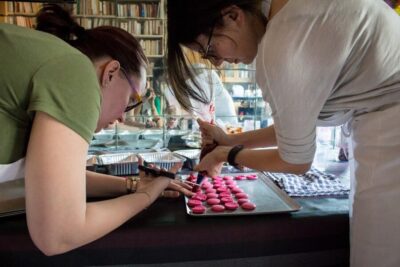
The instructor’s guidance is especially useful during piping. A chef can show you how to hold the bag, how much pressure to use, and how to keep the shells similar in size. Your results may not all be identical, but you should understand the technique well enough to try again at home.
The class has been suitable for beginners and for mixed skill levels. Teenagers have taken part successfully, and people who arrived unsure about making macarons have still managed to produce good-looking pastries. You should expect some uneven shells along the way. That is normal, and the chef is there to help you make the most of them.
Buttercream, assembly, and the moment it all comes together
After the shells, you learn to pipe the buttercream filling. This stage is satisfying because the macarons begin to look like macarons rather than small rounds of baked meringue.
The chef shows you how to fill and pair the shells. Matching similar sizes takes a little care, and the amount of buttercream affects both the appearance and the bite. These are small details, but they make the difference between a homemade-looking pastry and one that resembles what you see in a Paris shop.
The class format gives you time to work with some independence. You are not simply repeating motions directly after the chef. You receive instructions, try the step yourself, and ask for help when needed. That balance is useful if you want to remember the method once you return home.
There is also a practical lesson in texture. Macarons are sweet by nature, and some people may find the finished pastries very rich. That is not a flaw in this particular class. It is simply part of the style of dessert. If you prefer less-sweet pastries, the tasting is still worthwhile, but you may not want to eat a large number in one sitting.
More pastry and chocolate tours in Paris:
- Paris: Day or Sunset Cruise with Drink, Ice Cream or Dessert
★ 4.4 · 4,225 reviews - Paris: Montmartre Cheese, Wine & Pastry Guided Walking Tour
★ 4.8 · 2,255 reviews - Award-Winning Paris French Bakery Experience — Le Marais, 4th Arr
★ 4.5 · 1,186 reviews - Paris: Entrance Ticket to the Chocolate Museum
★ 4.1 · 1,105 reviews
Tea, coffee, and a Paris food conversation
When the macarons are ready, you sit down with tea or coffee to taste them. This quieter final part gives you a chance to compare the results, enjoy the pastries, and ask last questions.
The chef also talks about the macaron’s place in French culture and tradition. This adds context to what could otherwise be only a technical baking lesson. You learn not just how to pipe the pastry, but why it has become such a familiar part of French pâtisserie.
The chefs often bring the conversation back to Paris food. Stéphane, in particular, has offered suggestions for restaurants, food shops, and culinary stops around the city. In one class, he even helped arrange a restaurant reservation. You should treat this as a welcome extra rather than a guaranteed service, but it can be useful if you want practical dining ideas from someone who works in French food.
The tea or coffee break also makes the class feel complete. You have spent time concentrating at the counter, and the seated tasting provides a natural pause before you leave. It is a good change of pace from sightseeing, especially if you have been walking all day.
Your box of 20 to 30 macarons
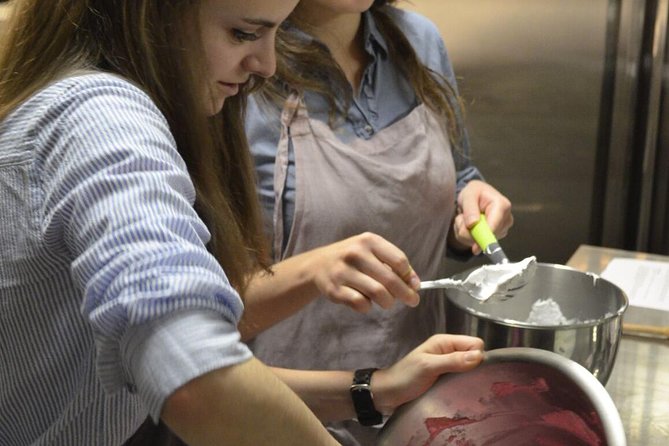
The takeaway is one of the strongest reasons to consider this class. You receive a box containing roughly 20 to 30 macarons, depending on how many the group makes and how the portions are divided.
That is a lot of pastry. You can take them back to your hotel, share them with family, or eat them during the rest of your Paris stay. You also receive recipes and extra guidance in some class formats, which makes the experience more useful after the holiday.
Plan your transport carefully. One person found that the box did not hold up well in checked luggage and recommended carrying it onboard instead. The safest approach is to keep the macarons in your carry-on and avoid putting them under heavy bags. They are delicate pastries, and an airport suitcase is not kind to delicate pastries.
The class is also suitable for people with gluten allergies, according to the supplied tour information. You should still discuss your needs with Le Foodist before attending, especially if you have a serious allergy and need to know about ingredients or kitchen procedures.
Is $156 a fair price?
At $156 per person, this is not a cheap afternoon pastry lesson. You are paying for a small, guided class in central Paris, the use of equipment, a welcome drink, tea or coffee, instruction in English, recipes, and a substantial box of macarons.
The value depends on what you want from the activity. If you only want to eat macarons, buying them at a pâtisserie costs far less. If you want a hands-on food experience with a professional chef, the price is easier to justify. You receive several hours of instruction and a finished product to take with you, rather than a short tasting.
The personal attention matters here. Macaron making is technical enough that a large demonstration can leave you confused. A smaller group lets you ask about the batter, piping, timing, and texture as problems appear.
I would consider the price reasonable for a special occasion, a parent and teenager outing, or a couple who wants one active afternoon away from museums. It is less appealing if you are trying to keep activity costs low or have no interest in baking after you leave Paris.
The class is booked an average of 57 days ahead, so popular dates can fill early. The cancellation rules are fairly strict: a full refund requires cancellation at least six full days before the start time, while cancellations two to six full days ahead receive a 50 percent refund. Within two days, there is no refund. If the minimum number is not reached and Le Foodist cancels, you are offered another option or a full refund.
Who should book this class?
You will get the most from this activity if you enjoy food, like learning by doing, and can spare three hours in the afternoon. It suits couples, parent and child combinations, solo participants, and small groups of friends.
It is also a good choice for a teenager age 12 or older. The class provides a real task, a sweet reward, and enough chef support to keep younger participants involved. Children cannot attend alone, so an adult must accompany them.
Solo participants should not worry about being left out. The class is social, and the hands-on format gives you an easy way to meet the other people at the worktable. You do not need to arrive with a baking partner.
You may want to skip it if you dislike sweet desserts, have limited time, or prefer watching a professional rather than handling the ingredients yourself. The class involves several stages, and the process cannot be rushed simply because you want a quick taste.
Final call: book it or pass?
Book this class if you want a personal, practical Paris food experience and the idea of learning a pastry technique appeals to you. The small-group format, clear instruction, chef conversation, tea tasting, and large takeaway box give the afternoon more substance than a simple pastry stop.
I would be especially happy to recommend it for a parent and teenager, a couple celebrating something, or a solo food lover who wants an easy social activity. Just remember that macarons are sweet, the finished shapes may vary, and you should protect the box on the trip home.
If you only want the prettiest pastries in Paris with no kitchen work, visit a pâtisserie instead. If you want to say I made these in Paris and learn enough to try again at home, Le Foodist is a strong choice.
FAQ
Where does the macaron class meet?
The class meets at Le Foodist, 59 Rue du Cardinal Lemoine, 75005 Paris, France. The activity ends back at the meeting point.
What time does the class begin?
The listed start time is 3:00 p.m., and the class lasts approximately three hours.
Is the class taught in English?
Yes. The class is offered in English.
How many people can attend?
The advertised maximum is four participants. Some class arrangements have used pairs and larger groups, so confirm the current format for your chosen date if group size is important to you.
What is included in the price?
The price includes a welcome drink, required equipment and attire, tea or coffee, and a box of approximately 20 to 30 macarons to take home. An advanced macarons class is included only if you select that option.
What is the minimum age, and can children attend alone?
The minimum age is 12. Children are not accepted without an accompanying adult.
Just added around Paris
- Paris: Croissant Baking Class with a Chef★ 5.0 · 201 reviews
- Cooking Class with a Parisian Chef★ 5.0 · 46 reviews
- Cocktails lessons in Speakeasy★ 4.5 · 72 reviews
- Paris: Choux Pastry and Chocolate Éclair Making Class★ 4.9 · 50 reviews
- Paris: Classic Sites Tour by Vintage Citroen 2CV★ 4.6 · 189 reviews
- Paris: Cheese and Wine Class in a 17th Century Cellar★ 4.8 · 91 reviews
- Paris: Romantic Photoshoot for Couples★ 4.9 · 131 reviews
- Paris: Bread and Croissant-Making Class★ 4.8 · 206 reviews
Cooking Classes, compared.
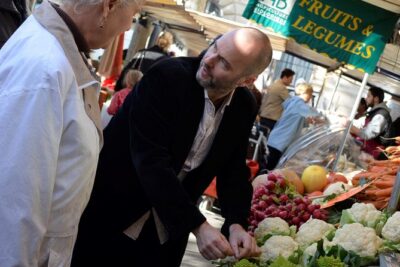
Paris Cooking Class and Lunch with Wine plus Market Visit Option
Read our review →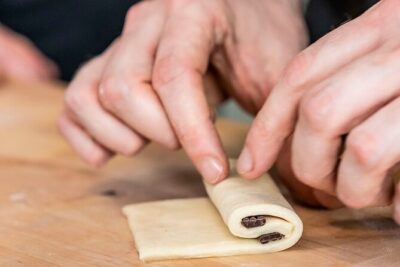
Paris Croissant Small-Group Baking Class with a Chef
Read our review →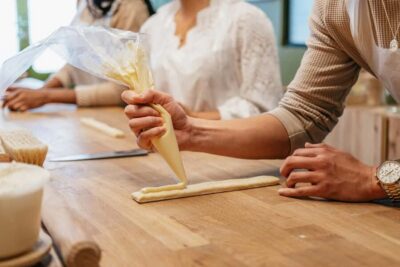
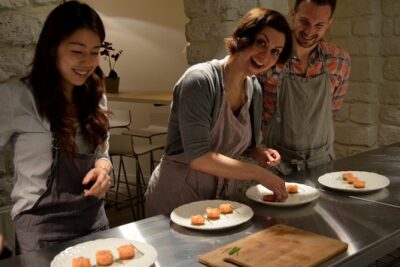
Paris Evening Cooking Class French Dinner and Market Visit Option
Read our review →
French Macarons Baking Class with a Parisian Chef
Read our review →
Browse the lists this tour appears in